Shamans, Hitler and mutual hatred: South Koreans go to polls in rancorous election

Hitler insults, shamanistic intrigue and some colourful language for good measure. It was always going to be difficult for South Korea to match the vitriol surrounding Park Geun-hye’s dramatic removal from office five years ago over corruption charges for which she would spend more than three years in prison.
But the campaign leading up to Wednesday’s election for the country’s next president has given even Park’s chaotic exit a run for its money.
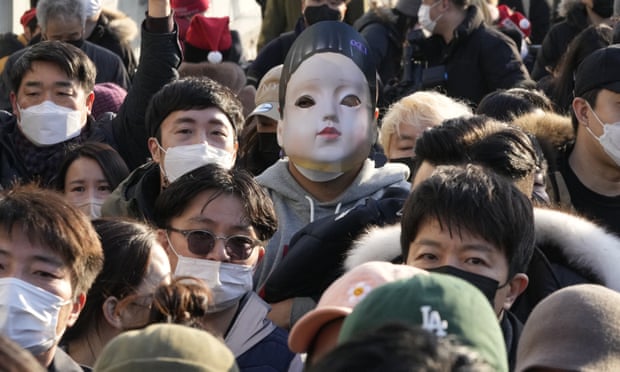
The world’s 10th-biggest economy is likely to require a period of national reconciliation after weeks of rancour that some have likened to the hit South Korean Netflix series Squid Game, although no one is suggesting the price of failure will come via the barrel of a submachine gun.
Unlike the election’s 2017 iteration, when the left-leaning Moon Jae-in was swept into the presidential Blue House by an electorate enraged by Park’s abuse of power, this week’s vote is still too close to call.
After two years of the Covid-19 pandemic and rising disquiet over the cost of living – against a backdrop of a ferocious gender war – Moon’s Democratic party heir apparent, Lee Jae-myung, is behind in the polls.
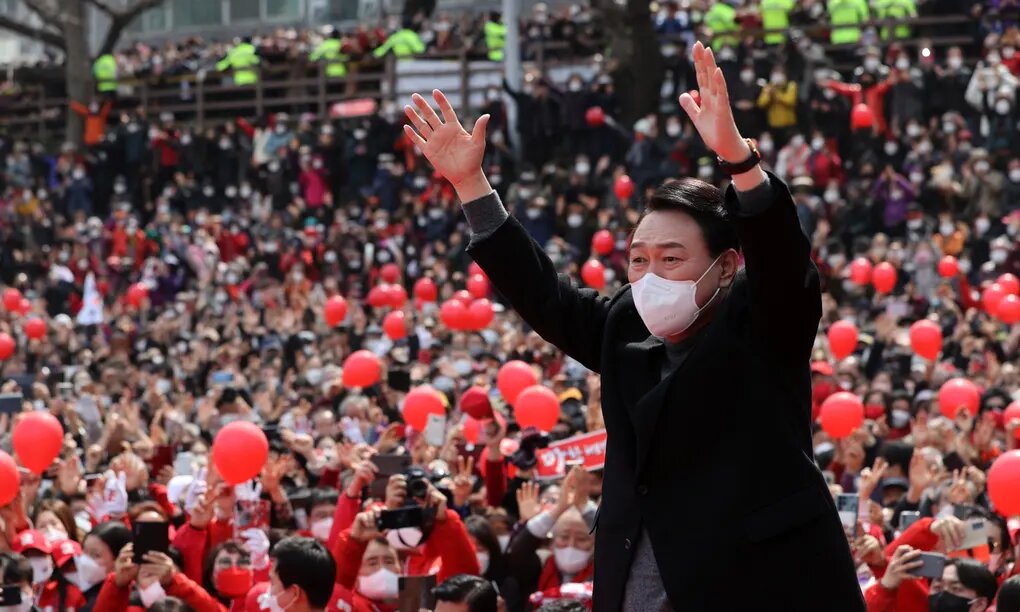
The most recent survey, taken a week before Wednesday’s vote, put Yoon Suk-yeol, the conservative challenger from the People Power party, marginally ahead.
The ghosts of Park, the daughter of a former South Korean dictator who in 2012 was elected the country’s first female president, appeared early in the current campaign, when Yoon and his wife were accused of having ties to a shamanistic healer who, in return for advice, had been given a decision-making role.
The claims were particularly damaging for Yoon, who, ironically, had been part of the legal team that pursued Park after her impeachment: her downfall began with revelations that she had allowed a longtime friend, whose late father was the leader of an obscure religious cult, to influence policy.
For a while, some wondered if spiritualism was again going to help determine South Korea’s political future.

Park aside, Kim Dae-jung, who was elected in 1998, reportedly won after moving the location of his father’s grave on the advice of a shaman. Media reports claimed that if Yoon was elected, his wife would change the location of the Blue House’s guest accommodation, having been told to do so by a shaman.
They are not alone: Yoon Yeo-joon, a former environment minister, suggested it would be easier to count the number of South Korean politicians and business leaders who did not pick up the phone to a trusted shaman before making an important decision.
But by last month, the shamanism row dimmed, amid claims that senior figures in the Democratic party may also have been present at a ritual where Yoon and his wife were reportedly named as guests.
That did not give way to a more civilised campaign, however. Instead, it has been described as a revenge mission by conservatives still loyal to Park, who was pardoned late last year. Read More…