Short-Let Apartments In Nigerian Cities: A Growing Trend Driven By Travel Expenditure And Budget-Friendly Accommodations
-
 Loading...
 - Amelia Okotie
- 28 Apr 2023
- 60 Views
- 0 Like
- 0 Comment
Short-let apartments in Nigerian cities are gaining popularity due to the rising expenditure on travel and tourism, as well as travelers' inclination towards budget-friendly accommodations. These properties, considered as alternatives to hotels, can be rented out for weeks to months and even a year, depending on demand. The demand for short-let apartments has been on the rise, with an estimated 200% growth as daily demand increases compared to the residential and hospitality markets, as revealed by The Guardian investigation.
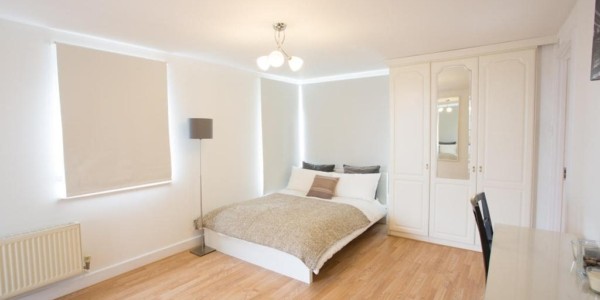
One of the main attractions of the short-let apartment sector is the comfort, aesthetics, and luxury facilities offered. These apartments tend to be larger than standard hotel rooms, equipped with facilities such as kitchens, internet, 24-hour light and water, air conditioning, security, fully furnished, access to Digital Satellite Television (DSTV), Closed Circuit Television for security, parking spaces, and washer and dryer.
The global short-let rental market is valued at $99.38 billion as of 2021 and is expected to grow at a Compound Annual Growth Rate (CAGR) of 11.1% till 2030. The increasing adoption of short-let apartments in Nigeria can be attributed to the strong income profile and ease of access for investors, operators, and tenants.
Short-let apartments in Nigeria leveraged the COVID-19 lockdown period when most hotels were out of business and had to close their doors to occupants, to record breakthroughs. There has been ongoing development of short-let properties in major Nigerian cities such as Abuja, Port Harcourt, Ibadan, Lagos, and others. Lagos, in particular, has seen over 2,000 short-let projects championed by various developers, with the Lagos short-let market growing by 263% over the past three years, as reported by Pan-African real estate data firm, EstateIntel, in a report titled "Boom or Bust? Lagos Short-let Market". The growth in the market is mainly driven by rising demand for long and short stays in apartments.
Several reasons have been adduced for the performance of the short-let market in Nigeria, including it serving as an alternative to traditional tenants, a strong income profile for investors, patronage by the younger demographic as a cheaper alternative to hotels, and the "diaspora" effect.
The emergence of the short-let market is a deeply embedded trend in the Lagos residential market, essentially correcting the market that was not accustomed to monthly rentals. The low barriers to entry for people to furnish and deliver apartments on a daily and monthly basis have brought out pent-up demand that was underserved by a rigid yearly rental payment market. Read More…