Six years after child shelter tragedy, slow justice shines a light on Guatemala’s enduring GBV problem
-
 Loading...
 - Alessandra Amato
- 29 Mar 2023
- 79 Views
- 0 Like
- 0 Comment
'I know everything will always stay the same.’
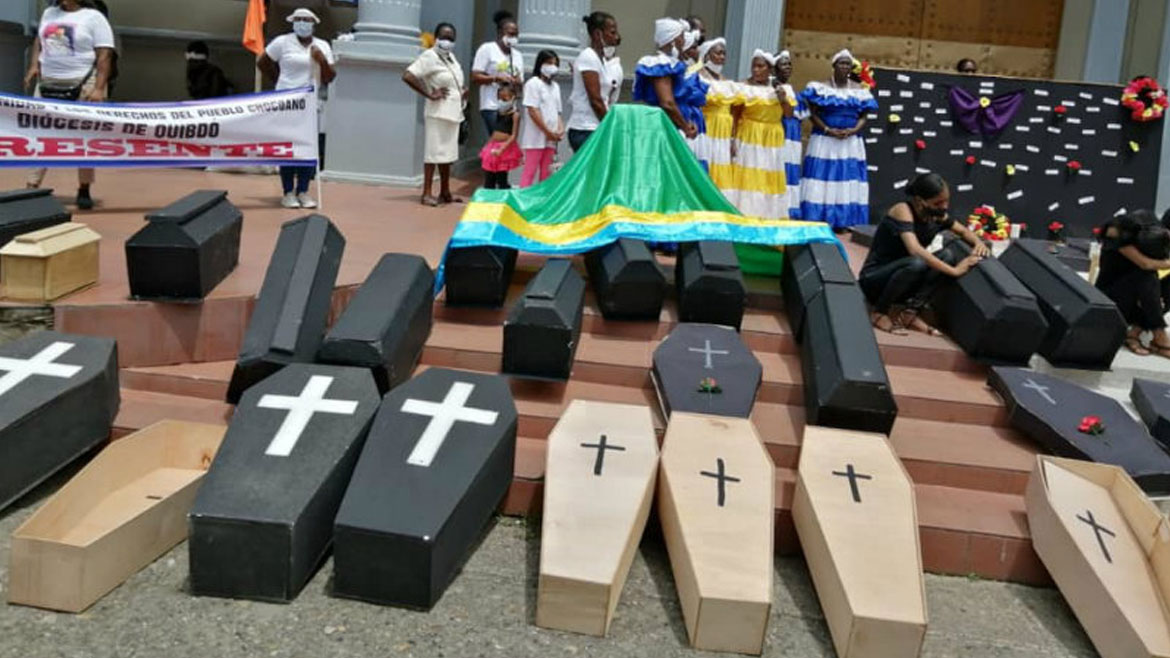
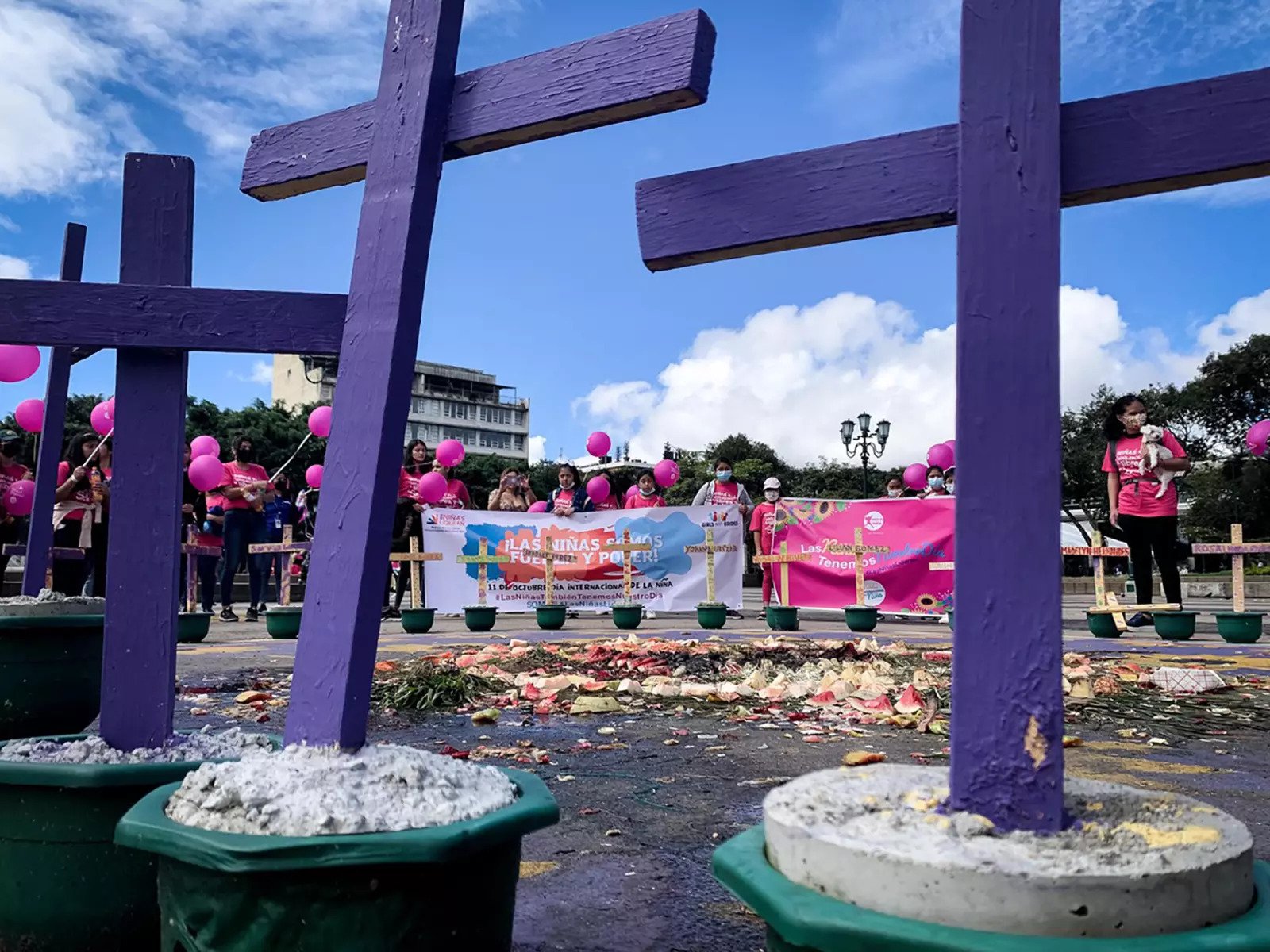
In Guatemala, justice has been grinding painfully slowly for dozens of girls caught up in a deadly fire six years ago in an overcrowded shelter for victims of domestic violence in the outskirts of the country’s capital.
On the night of 7 March 2017, the young residents started a riot to protest not only their poor living conditions, but also the sexual abuse and rapes they said they had endured at the state-run Virgen de la Asunción shelter in Guatemala City where they were forced to live.
Over 100 girls escaped, but they were quickly apprehended by the police and returned to the residence. Fifty-six were then locked up in a classroom for the night, with no access to the bathroom. The next morning, desperate for someone to let them out, one of the teens set fire to a mattress. Nine minutes passed before someone came to rescue them. By then, the fire had spread throughout the 46-square-metre room: 41 girls died; 15 survived with severe burns.
The tragedy did draw some international attention to the abuses being committed in state-run institutions meant to protect girls in Guatemala. But this was short-lived, and it has taken the judicial system years to get around to properly investigating and prosecuting those responsible for the deaths and the alleged abuse.
Eight people – the former director of the shelter, five senior government officials, and two policemen – have since June 2017 faced charges of abuse of power, breach of duty, culpable homicide, child abuse, and neglect.

After years of delays, the trial was finally set to begin in January 2023. However, that first hearing has already been postponed 11 times, as defence attorneys repeatedly recuse themselves in an apparent attempt to disrupt the prosecution.
Despite the rash of recusals, which critics feel is a blatant interference with due process, the high-profile trial has brought renewed attention to the enduring crisis of gender-based violence in Guatemala, and to the authorities’ failure to protect women and girls from harm. Read More…