"Smoothing can be dangerous"
-
 Loading...
 - michael mia
- 28 Mar 2023
- 70 Views
- 0 Like
- 0 Comment
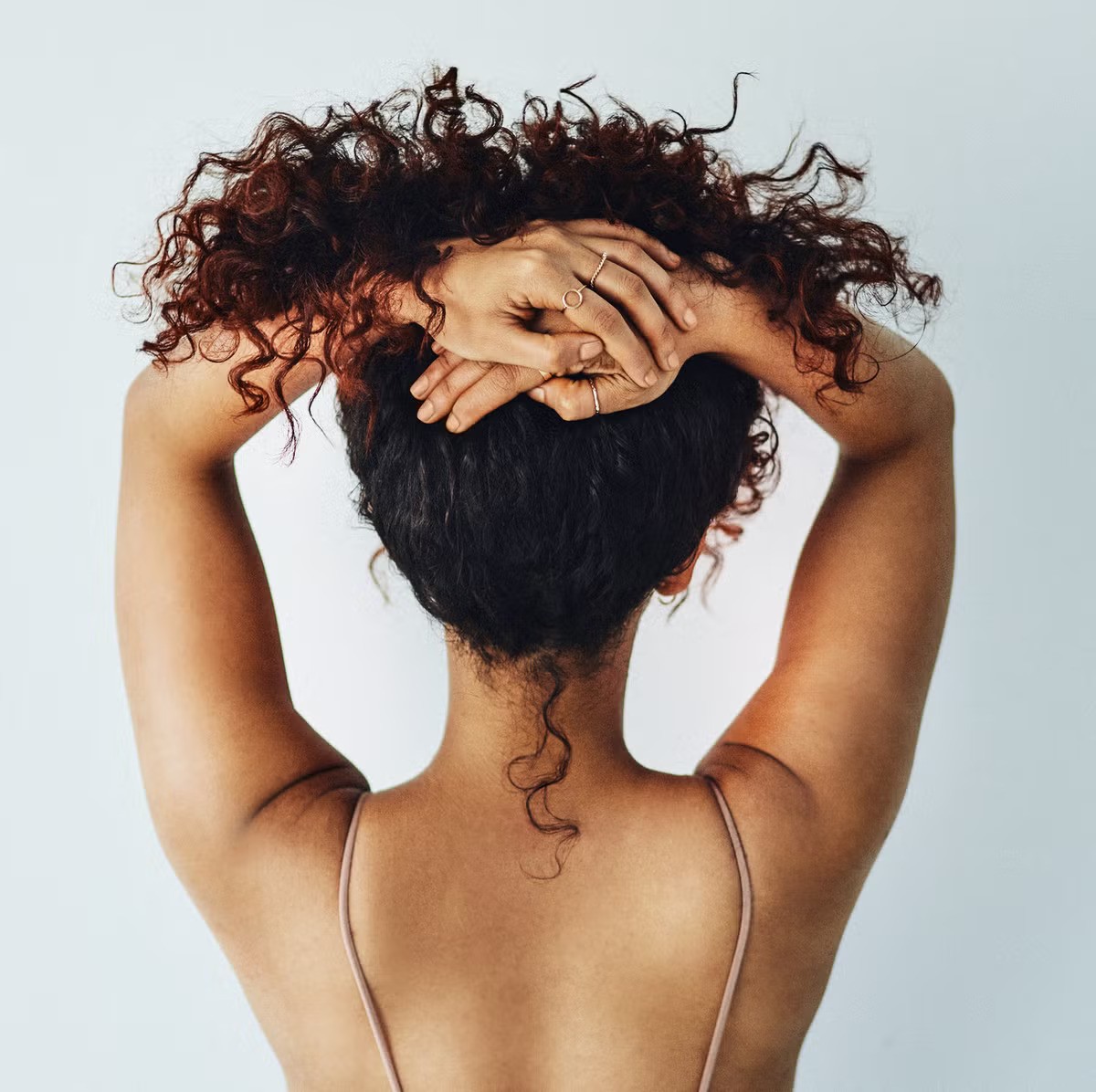
Want to break up with your curls? Then a permanent hair straightening with keratin could be the solution. A hairdresser explains for whom it is suitable.
It's a well-known story: you always want what you're not already blessed with. And so some regularly twist curls into their straight hair, while others use heavy equipment to straighten what is possible. If only there were the option of permanent stretching in addition to perms ... this is where keratin smoothing comes into play.
It suffers from the bad reputation of overstraining and destroying the hair - on the other hand, keratin is also the substance that the mane is made of. So what's with the rumours? We spoke to Danijel Lapcevic, hairdresser at Lapis Hair Couture in Schlieren, and asked him exactly what he was talking about. Suffice it to say: it is not safe for everyone.
How does a keratin treatment work?
"Before we consider straightening with keratin, we take stock of the situation: what does the hair look like, what type of treatment makes sense," says Danijel. The treatment itself starts with a deep cleansing shampoo to remove styling residue. The hair is then dried to 80 percent.
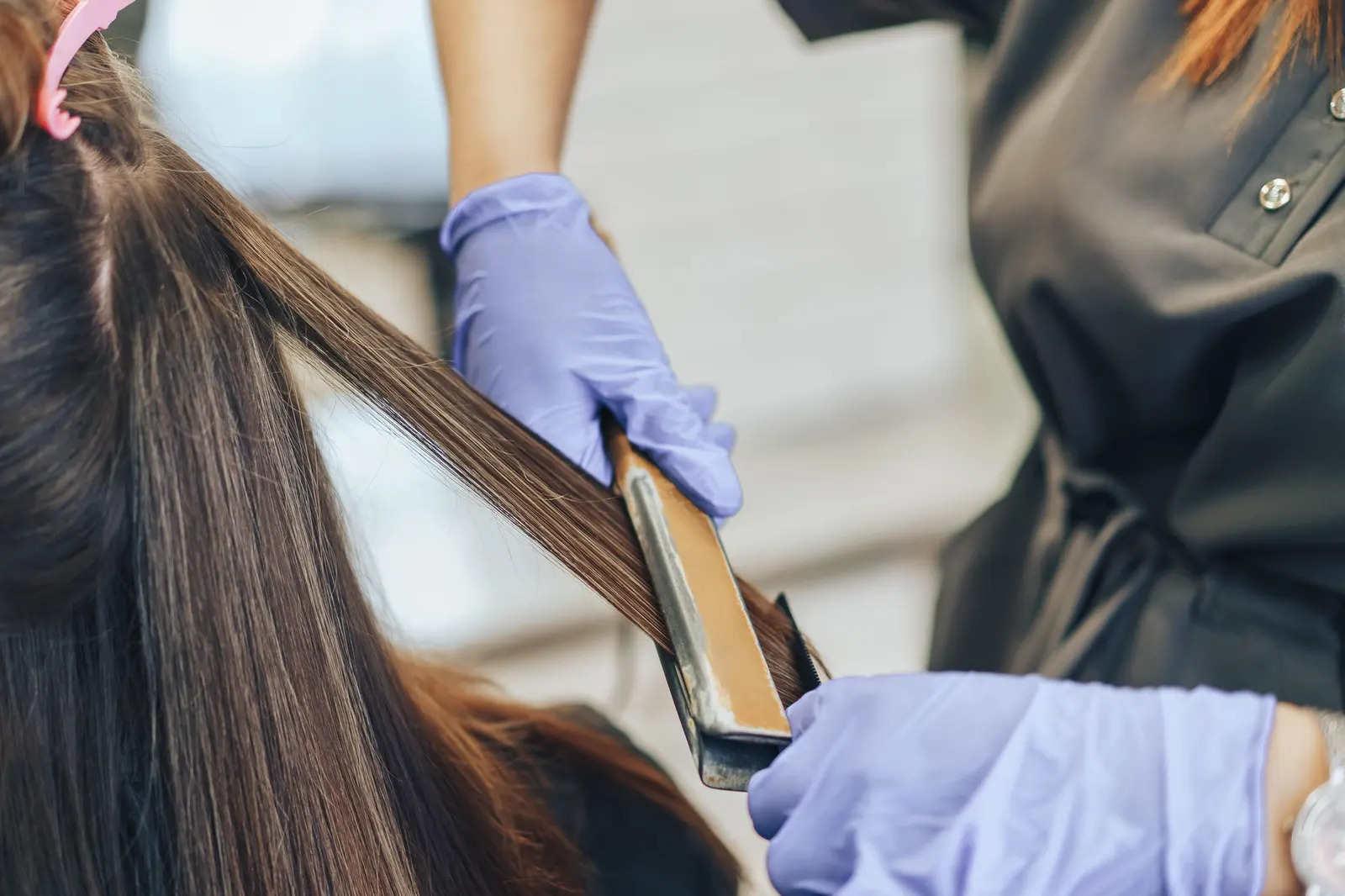
"Then the keratin product follows, which is applied to the entire hair at a distance of about one centimeter from the scalp." After an exposure time of 25 to 40 minutes - depending on the hair structure and thickness - the hair is blow-dried smooth with a round brush and then straightened with the straightening iron at 180 degrees. "The keratin is only activated by the heat," says the hairdresser. The hair must not be washed for 48 hours afterwards, then the keratin is firmly in the hair and it can be styled as usual.
How smooth is possible?
Not all curl types can be completely straightened with natural keratin. The expert knows: “With a slight movement, it is easier to straighten the hair completely. We treat curls with a more intensive keratin variant.» The limit begins with very frizzy hair: «The hair naturally becomes smoother and appears longer. But movement remains in the hair. To get that out, you would have to resort to chemical smoothing – we reject that.” Read More…