Should Skin Steaming Be Part of Your Skin Care Routine?
-
 Loading...
 - Valeria Barrera
- 28 Mar 2023
- 73 Views
- 0 Like
- 0 Comment
Skin steaming is a regimen that goes back to the ancient Romans and Greeks. It is a method that involves heat and clean water. Skin steaming is trendy because of its soothing effects and skincare benefits. While there are perks to skin steaming, there are side effects to consider as well.
Reviewing the factors will help you decide whether skin steaming is worth including in your skincare routine.
What is skin steaming?
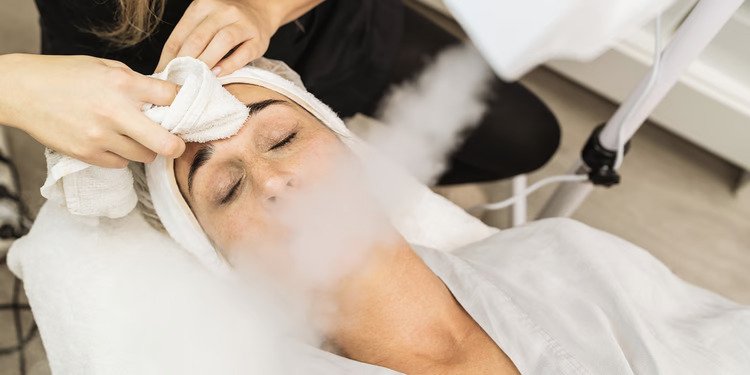
Skin steaming is a technique combining heat and water to create moist air. Moisture will help open skin pores to loosen trapped bacteria, dirt, and oil. The heat also enlarges the blood vessels causing an increase in blood circulation. You can experience skin steaming at home or in a skin care facility.
Benefits of skin steaming
From facial steaming to the steam bath, the methods of skin steaming can aid the body in various ways:
- Hydration. Aside from drinking water, steaming can help give extra hydration to your skin. Steaming causes an increase in oil production which allows the body's natural oils to moisturize the skin. Moisturizing after steaming can trap the water in the skin cells to look refreshed and rejuvenated.
- Release trapped sebum. The body produces a natural oil from the sebaceous gland known as sebum that helps to moisturize the skin naturally. Steaming helps to drain out sebum trapped in the skin. It can also remove dirt and bacteria to prevent pimples or zits from forming.
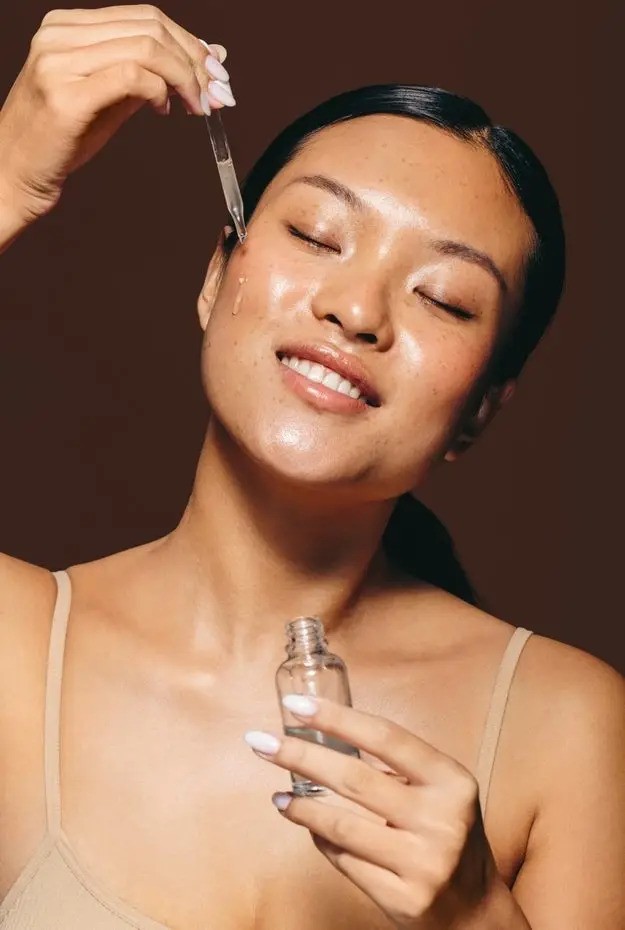
- Absorption of products. Steaming will soften the outer layer of the skin, where products can easily penetrate through the skin layer. Applying serums and moisturizers after steaming can benefit product absorption.
- Increase circulation. The sensation of heat causes the blood vessels to widen, known as dilating. If the blood vessels dilate, it will increase blood circulation. Blood flow helps the skin build collagen and elastin, which are proteins that support the strength and elasticity of the skin. Read More…