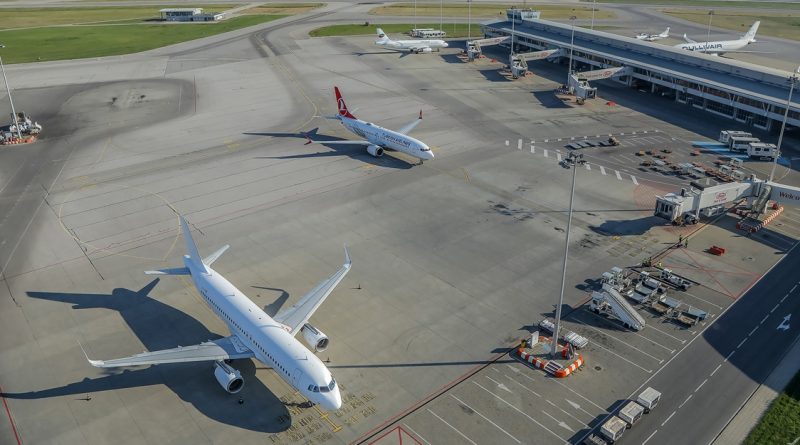
Sofia Airport domestic passengers and cargo still below 2019 levels
-
 Loading...
 - Anna Muler
- 08 May 2023
- 75 Views
- 0 Like
- 0 Comment
The Sofia Airport in Bulgaria has been experiencing a decline in domestic passengers and cargo since the COVID-19 pandemic began. Despite some measures taken to mitigate the effects of the pandemic, the airport is still struggling to reach the pre-pandemic levels of 2019. In this article, we will discuss the current situation at Sofia Airport and the reasons behind the decline in domestic passengers and cargo. We will also explore what the future might hold for the airport and the aviation industry in Bulgaria.
The COVID-19 pandemic has affected the aviation industry worldwide, with many airports struggling to stay afloat due to a decline in passenger traffic and cargo. Sofia Airport, the largest airport in Bulgaria, is no exception. Despite being one of the busiest airports in the country, it has experienced a significant decline in domestic passengers and cargo since the pandemic began.
Current situation at Sofia Airport
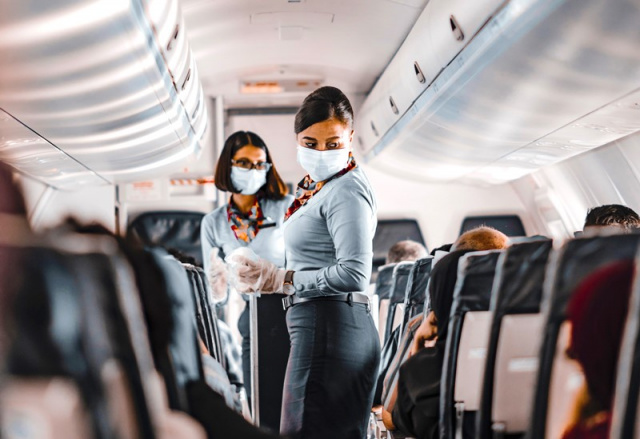
As of May 2023, the Sofia Airport is still struggling to recover from the effects of the pandemic. Domestic passenger traffic and cargo are still below the 2019 levels, and international passenger traffic has also been affected, albeit to a lesser extent. The airport authorities have implemented several measures to mitigate the effects of the pandemic, such as increasing the frequency of cleaning and disinfection, installing hand sanitizers, and enforcing social distancing measures.
However, these measures have not been enough to bring the airport back to its pre-pandemic levels. The airport has been experiencing a decline in both domestic and international passenger traffic, with domestic passenger traffic being the hardest hit. The decline in domestic passenger traffic has also led to a decline in cargo, as there are fewer passengers to carry goods.
Reasons behind the decline in domestic passengers and cargo
The decline in domestic passengers and cargo can be attributed to several factors. The first and most obvious factor is the COVID-19 pandemic. The pandemic has caused a significant decline in travel, as people are afraid of contracting the virus. This has resulted in a decline in both domestic and international passenger traffic.
The second factor is the increase in remote work and online shopping. Many companies have implemented remote work policies, which have led to a decrease in business travel. Similarly, online shopping has increased, reducing the need for cargo transport.
The third factor is the competition from other airports. Sofia Airport faces stiff competition from other airports in the region, such as Istanbul Airport and Athens International Airport. These airports offer more connections and better services, making them more attractive to passengers and cargo shippers.
What the future might hold for Sofia Airport and the aviation industry in Bulgaria
The future of Sofia Airport and the aviation industry in Bulgaria is uncertain. The pandemic is still ongoing, and it is unclear when it will end. However, there are some signs of hope. The airport authorities are working on increasing the number of destinations and frequencies to attract more passengers and cargo.
Moreover, the Bulgarian government has announced plans to invest in the aviation industry, including Sofia Airport. The government plans to invest in infrastructure, modernize the airport, and attract more airlines to operate in Bulgaria.
The decline in domestic passengers and cargo at Sofia Airport is a significant concern for the aviation industry in Bulgaria. The pandemic, the increase in remote work and online shopping, and the competition from other airports are some of the reasons behind the decline. However, there are some signs of hope, such as the plans to invest in the aviation industry and the efforts to attract more passengers and cargo to the airport. Only time will tell what the future holds for Sofia Airport and the aviation industry in Bulgaria.