Sow and Grow: Benefits of Organic Microgreen Seeds
-
 Loading...
 - Seeds World
- 26 Sep 2024
- 355 Views
- 0 Like
- 0 Comment
In this article, we’ll explore the numerous advantages of growing microgreens from organic microgreen seeds, including their nutritional benefits, ease of cultivation, and environmental impact.
In recent years, the popularity of organic gardening has surged, with more people recognizing the importance of fresh, nutrient-dense foods in their diets. Among these gardening trends, microgreens have emerged as a favorite for both home gardeners and professional chefs. Organic microgreen seeds are at the forefront of this movement, providing a simple and effective way to grow your own greens at home. These tiny plants are not only packed with flavor but also offer a range of health benefits that make them an excellent addition to any diet.
In this article, we’ll explore the numerous advantages of growing microgreens from organic microgreen seeds, including their nutritional benefits, ease of cultivation, and environmental impact. We’ll also touch on related topics, such as incorporating other elements like mushroom spawn into your home gardening routine.
What Are Microgreens?
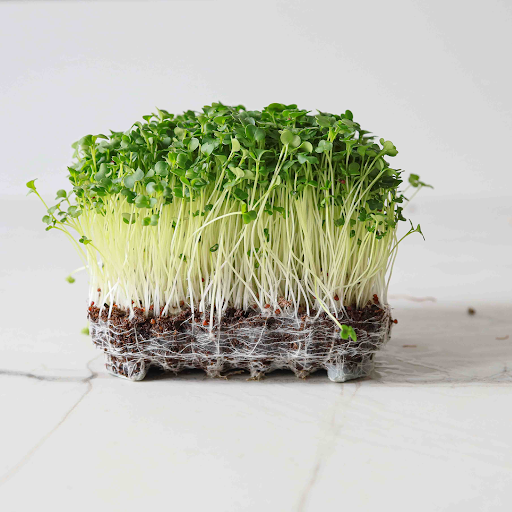
Microgreens are young plants harvested just after the first true leaves, or cotyledons, develop. They typically measure between 1 to 3 inches tall and come in a variety of flavors, colors, and textures. Common microgreens include arugula, basil, radish, and beet greens. Their vibrant colors and intense flavors make them popular as garnishes or as key ingredients in salads, sandwiches, and smoothies.
Nutritional Benefits of Microgreens
One of the standout features of microgreens is their remarkable nutritional profile. Studies have shown that many varieties of microgreens contain higher concentrations of vitamins and minerals compared to their mature counterparts. For instance, red cabbage microgreens can contain up to six times more vitamin C than mature red cabbage. Additionally, they are rich in antioxidants, which help combat oxidative stress and may reduce the risk of chronic diseases.
By incorporating organic microgreen seeds into your diet, you not only enhance your meals with fresh flavors but also boost your overall nutrient intake. They are especially beneficial for those looking to increase their vegetable consumption without a significant calorie increase.
Ease of Cultivation
1. Space-Efficient
Microgreens can be grown in small spaces, making them perfect for urban gardeners or those with limited outdoor space. You can easily cultivate them indoors on a windowsill or in a small garden bed.
2. Quick Turnaround
Most microgreens are ready to harvest within 7 to 21 days after planting, depending on the variety. This quick turnaround allows you to enjoy fresh greens in no time and enables multiple harvests throughout the year.
3. Minimal Equipment
Growing microgreens requires minimal equipment. You need a shallow container, quality organic microgreen seeds, a growing medium like soil or coconut coir, and a spray bottle for watering. This low barrier to entry makes it accessible for anyone interested in gardening.
4. No Pesticides Needed
Since microgreens are typically grown indoors or in controlled environments, they are less susceptible to pests. This means you can grow them organically without the need for chemical pesticides, making them a healthier choice for you and the environment.
Incorporating Mushroom Spawn into Your Garden
For those interested in expanding their gardening horizons, combining organic microgreen seeds with mushroom spawn can create an exciting and productive garden ecosystem. Mushroom spawn allows you to cultivate various mushroom species alongside your microgreens, adding another layer of flavor and nutrition to your gardening efforts.
Benefits of Growing Mushrooms with Microgreens
- Complementary Growth Mushrooms and microgreens can thrive in similar conditions, allowing you to maximize your growing space. They can be grown in tandem, with the mushrooms benefiting from the nutrients in the soil while providing humidity that can help microgreens flourish.
- Enhanced Nutritional Value Both mushrooms and microgreens are rich in nutrients. By growing them together, you create a diverse harvest full of vitamins, minerals, and antioxidants. This combination can elevate your meals and enhance your overall health.
- Sustainable Practices Integrating mushrooms into your garden promotes sustainability. Many mushroom species can help break down organic matter, improving soil health. This symbiotic relationship benefits both plants and fungi, creating a thriving garden ecosystem.
Environmental Impact of Growing Microgreens
1. Reduced Carbon Footprint
By growing your own greens at home, you decrease your reliance on store-bought produce, which often requires transportation over long distances. This reduction in transportation contributes to a lower carbon footprint.
2. Water Efficiency
Microgreens require less water compared to traditional vegetable gardening. Their short growing cycle and small size mean they use resources more efficiently, making them an eco-friendly choice.
3. Pesticide-Free
As mentioned earlier, microgreens are easy to grow without chemical pesticides, promoting a healthier environment. This is particularly important for protecting local ecosystems and biodiversity.
Conclusion
Growing your own organic microgreen seeds offers a plethora of benefits, from enhancing your diet with nutrient-dense greens to promoting sustainable gardening practices. The ease of cultivation and quick turnaround time make microgreens an accessible choice for anyone looking to start their gardening journey.