Spasić Äurić on the archaeological project: An object from the 12th century was discovered
-
 Loading...
 - Freya Darren
- 24 Aug 2022
- 60 Views
- 0 Like
- 0 Comment
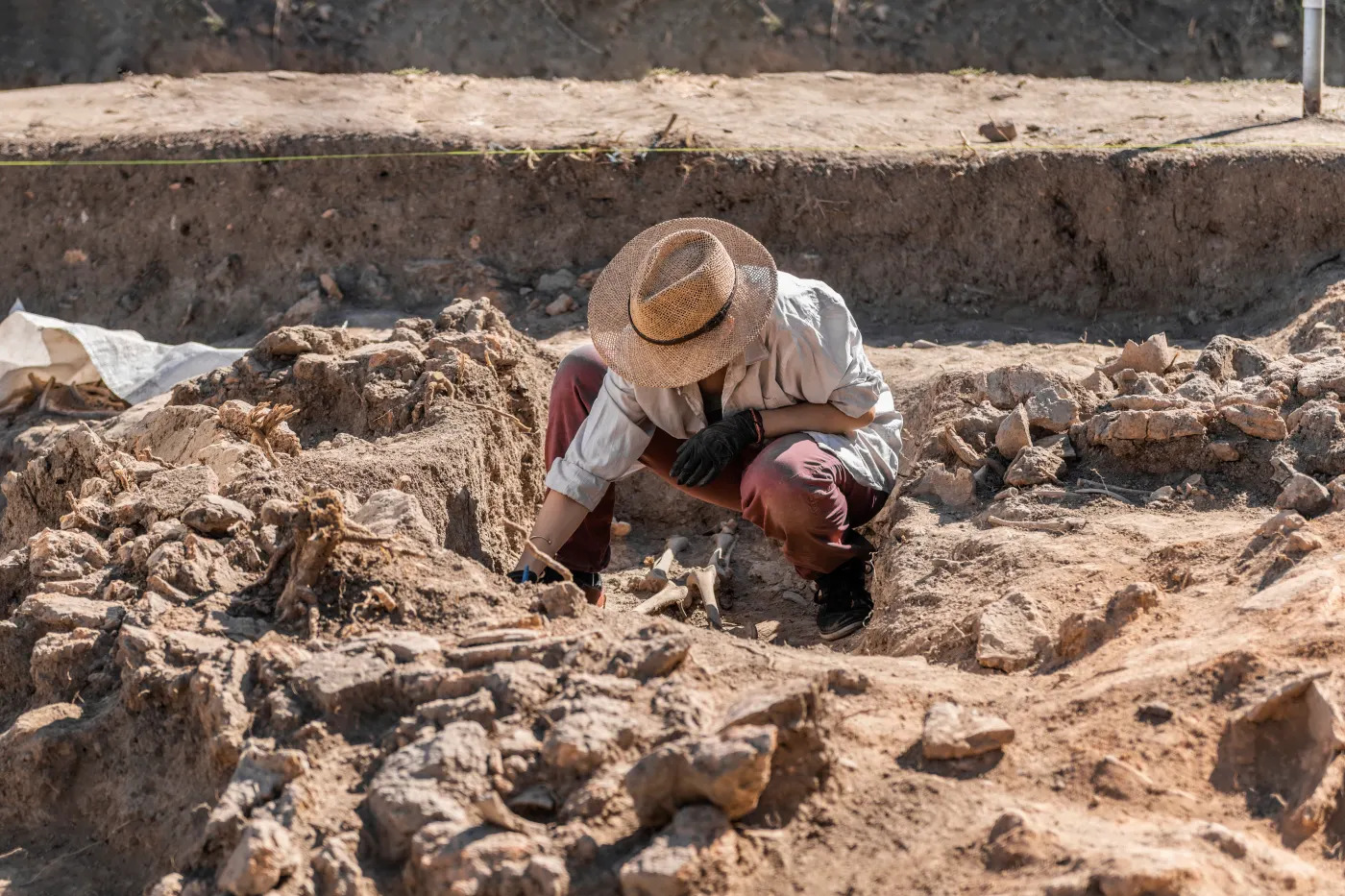
The Mali grad-Todić church site, although a relatively small area of ​​two hectares, represents a rich cultural and historical location, as confirmed by the archaeological research of the National Museum in Požarevac. According to the program of the National Museum in Požarevac and the elaboration of the research manager Dragana Spasić Äurić, archaeological research at the Mali grad-Todića church site continued during this summer.
There are still a few days left until the completion of this year's archaeological campaign.
The head of the project, Dragana Spasić Äurić, said that the folk museum on this site, Mali grad - Todić Church, had been present since the end of June and that unfortunately it was very difficult to dig all the time, because in archeology moisture and rain are very important things because of reading layers.
However, he says that the campaign was successfully brought to an end, and that he and her colleagues are satisfied with the results.
"First of all, we discovered a building from the 12th century, which was also burned like all the previous ones, which gives us an important historical fact that BraniÄevo burned down at a certain moment, probably in the second half of the 12th century, and that the reconstruction took place somewhere at the end that century and in the first decades of the 13th century," says Spasić Äurić.
He says that a large number of furnaces and hearths were discovered from that period, and what is significant is that an iron hoe was discovered on one of the hearths, and this gives information about the blacksmithing and craft activity that we have been following for a long time in BraniÄevo and why they metallurgical analyzes were performed in Bor.
"The analyzes showed that the primary metallurgy of iron was very developed here, and what is currently being done is the current glass analyzes that we are doing with the VinÄa Institute and the Jozef Štefan Institute from Slovenia, so the final results of those analyzes will show whether was also the craft production of glass in BraniÄevo."
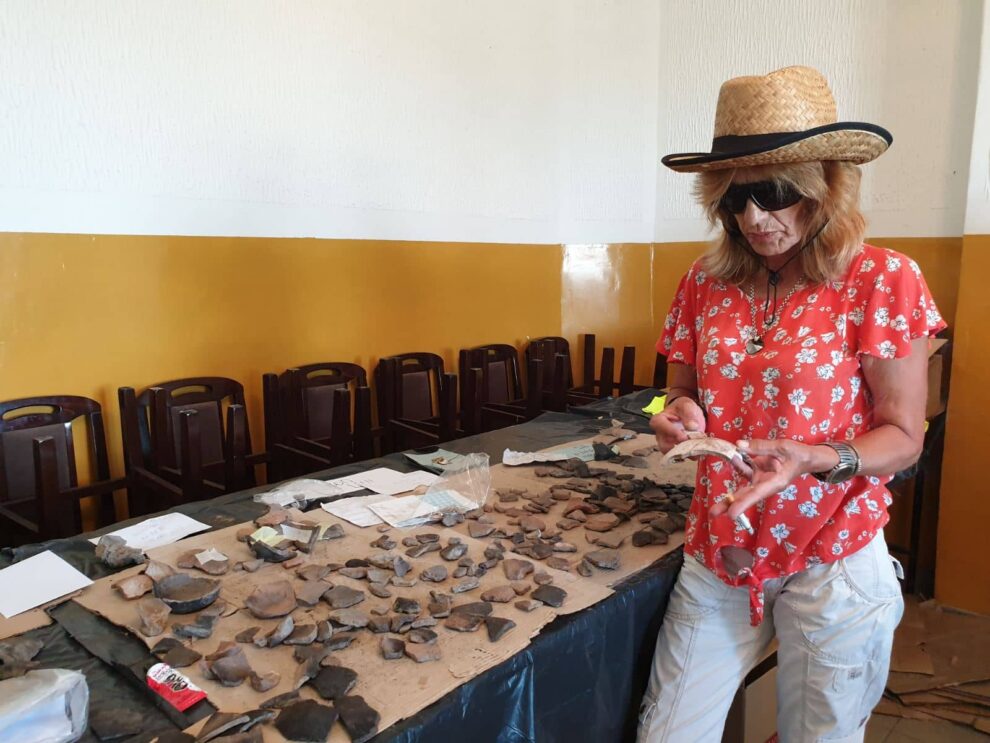
What can currently be seen in the current excavation is, as Spasić Äurić says, a very strong horizon of the 12th century with several buildings that intersected each other, but a particularly important piece of information for ancient BraniÄevo is that there are the remains of a building from prehistoric times , according to our estimates from 800 to 1000 BC. These are the remains of the floor and ceramic vessels that are still in situ. Read More….