Stability a key legacy of Joko Widodo’s problematic presidency
-
 Loading...
 - Kexin Guan
- 10 Sep 2024
- 51 Views
- 0 Like
- 0 Comment
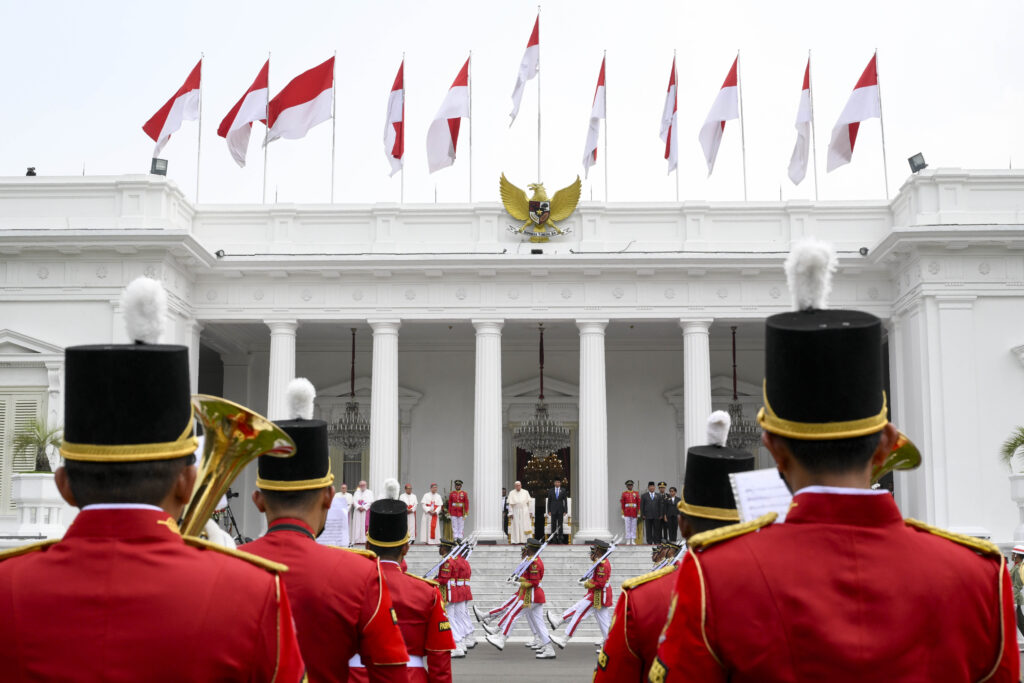
Joko Widodo, commonly known as Jokowi, leaves behind a complex legacy after his decade-long presidency in Indonesia. On one hand, his administration successfully bolstered economic growth, lifted millions of Indonesians out of poverty, and increased the nation's prominence on the global stage. His ambitious infrastructure projects and efforts to raise Indonesia's international profile, including successfully chairing the G20 Summit in 2022, contributed to this.
Widodo's economic policies aimed at overcoming the "middle-income trap" were a key priority, and he made progress in transforming Indonesia's economic standing. His administration’s focus on infrastructure—such as toll roads, airports, and ports—helped lay the foundation for future growth, although it also raised concerns about rising public debt.
Key to his governance was the role of technocrats like Finance Minister Sri Mulyani Indrawati and Foreign Minister Retno Marsudi, who were instrumental in achieving many of these successes. However, Jokowi’s presidency also faced criticism for its protectionist policies in several industries and the limited institutional reforms, leaving unfinished business for his successor.
A controversial part of Jokowi’s legacy is the erosion of democratic norms in Indonesia. Critics argue that under his leadership, the country edged towards authoritarian practices, undermining the reforms established after Suharto’s dictatorship. His use of political maneuvering, such as influencing local elections to favor his allies and curbing political opponents, has been seen as an attempt to consolidate power.
While Indonesia remained stable under his leadership, this political shift towards stronger executive power raises questions about the health of the country's democracy going forward. His successor, Prabowo Subianto, could further intensify this trend, although Indonesia still retains a robust civil society and a technocratic elite capable of independent thought.
Widodo’s legacy in foreign policy, particularly regarding Indonesia's leadership within ASEAN, remains another area of mixed results. While Indonesia played a significant role in the G20, the country struggled to provide strong leadership in ASEAN, a key regional grouping, especially during its 2023 chairmanship. Prabowo’s future attention to ASEAN will be crucial, especially given the challenges the organization faces in addressing its institutional weaknesses and dealing with rising geopolitical tensions in the region.
In summary, Joko Widodo's presidency leaves Indonesia more prosperous and globally engaged but also with growing concerns about democratic backsliding and unfinished policy reforms .