Sudan War Displaces Over 2 Million People as Violence Erupts in Darfur

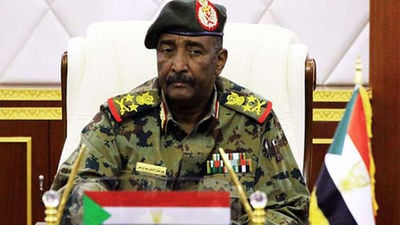
According to the United Nations, the ongoing conflict in Sudan has resulted in the displacement of more than 2 million individuals. In light of the situation, a U.N. official has raised concerns that the intensifying attacks in Darfur may constitute "crimes against humanity." Since mid-April, Sudan has been engulfed in chaos, as long-standing tensions between the military and the paramilitary Rapid Support Forces escalated into open warfare in Khartoum, the capital, and other regions of the country in northeastern Africa.
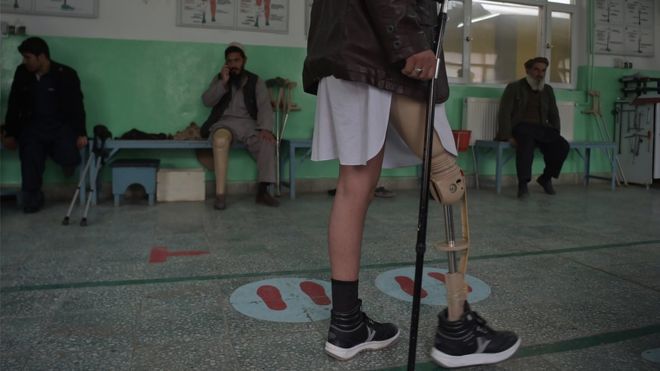
As of Wednesday, fighting continues relentlessly in parts of the capital and the western province of Darfur, which have become hotspots of severe battles. The Doctors Syndicate in Sudan reports that as of June 12, at least 959 civilians have lost their lives, and approximately 4,750 others have been wounded. The International Organization for Migration reveals that the brutal clashes have compelled over 1.6 million people to flee their homes in search of safer areas within Sudan. Additionally, around 530,000 individuals have sought refuge in neighboring countries such as Egypt, South Sudan, Chad, Ethiopia, the Central African Republic, and Libya.
The actual toll of casualties could be much higher, as the medical group was unable to account for those killed or injured in the ongoing conflicts in Genena, the capital of West Darfur. The city's hospitals have remained non-operational since the outbreak of violence in April, exacerbating the humanitarian crisis.
Displacement has affected all 18 provinces of Sudan, with Khartoum having the highest number of displaced individuals, accounting for approximately 65% of the total. West Darfur follows with over 17%, according to the IOM's Displacement Tracking Matrix.
In Genena, the provincial capital of West Darfur, the RSF and allied Arab militias have rampaged through the city in the past week, resulting in the death and injury of hundreds, as reported by local activists and U.N. officials. Disturbing accounts from activists and residents in Genena indicate that numerous women were subjected to sexual assaults within their homes or while attempting to flee the violence. The RSF is held responsible for the majority of the reported rape cases, although they have not responded to requests for comment.
The governor of West Darfur province, Khamis Abdalla Abkar, accused the RSF and allied militias of indiscriminately attacking local communities in Genena. In a phone interview with the Saudi-owned television station Al-Hadath on Wednesday, he appealed to the international community to intervene and protect civilians in his province.
Tragically, shortly after the interview, Governor Abkar was abducted and killed, according to Mini Arko Minawi, the governor of the Darfur region. The circumstances surrounding Abkar's abduction and murder remain unclear. A video circulating on social media late Wednesday showed a group of armed men, some wearing RSF uniforms, detaining Abkar. Another footage, too graphic to be broadcasted, purportedly depicted Abkar lying on the ground with wounds on his neck and face. Gunfire sounds and Arabic phrases such as "This is the governor" and "God is great" can be heard in the background.
Volker Perthes, the U.N. envoy in Sudan, expressed on Tuesday that the conflict in Genena has taken on "an ethnic dimension," with Arab militias and armed individuals in RSF uniforms carrying out "large-scale targeted attacks against civilians based on their ethnic identities." He cautioned that if these attacks are verified, they could amount to crimes against humanity. Alice Wairimu Nderitu, the U.N. special adviser on the prevention of genocide, also condemned the "shocking violence" in Genena. In a statement issued on Tuesday, she warned that such fighting could lead to "renewed campaigns of rape, murder, and ethnic cleansing that constitute atrocity crimes."