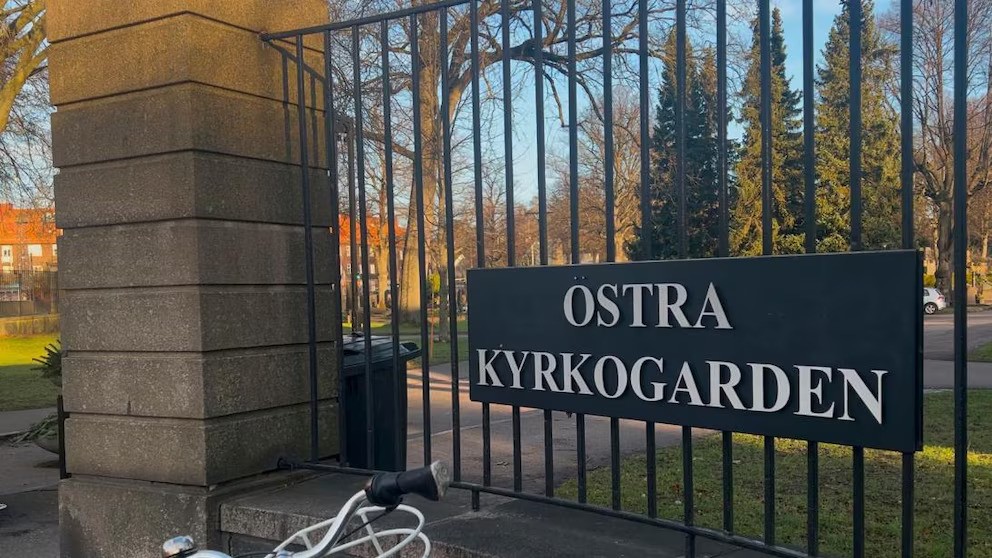
Sweden's Sober Search for Cemetery Space Amid War Preparedness
-
 Loading...
 - Reeta Korhonen
- 02 Jan 2025
- 39 Views
- 0 Like
- 0 Comment
Burial associations in Sweden are proactively seeking to acquire land for potential mass burials in the event of war. This initiative follows recommendations from the Church of Sweden’s national secretariat, which align with crisis preparedness guidelines issued by the Swedish Civil Contingencies Agency (MSB) and the Swedish Armed Forces.
The urgency of this search has been amplified by Sweden's recent decision to join NATO and escalating tensions with Russia in the Baltic Sea region. The Church of Sweden's provisions, supported by legal frameworks in the country’s Burial Act, mandate that burial associations ensure sufficient land is available to accommodate the burial needs of approximately 5 percent of the population within a parish if necessary.
The Challenge in Gothenburg
The Goteborg Burial Association, which serves Sweden's second-largest city, is currently navigating the complex task of securing at least 10 acres (40,470 square meters) of land. This space is intended to handle the urgent burial needs for an estimated 30,000 deceased individuals in the event of war. Additionally, the association requires another 15 acres (60,700 square meters) for regular cemetery use in Gothenburg.
Katarina Evenseth, a senior advisor at the Goteborg Burial Association, emphasized the challenges posed by urban land scarcity. "The recommendations mean that we need more land for burial grounds, and this is a phenomenon in the big cities, where land resources are scarce to begin with and not always sufficient to meet burial ground needs even in times of calm and peace," she stated.
Working in collaboration with the local municipality, which holds exclusive authority over land usage decisions in Gothenburg, the burial association has identified a suitable area for a large-scale cemetery. However, the lengthy approval and construction process could take approximately 10 years, raising concerns about preparedness in uncertain times.
A Broader Context of Crisis Preparedness
The Swedish Civil Contingencies Agency (MSB) has underscored the importance of crisis preparedness, highlighting the proactive measures taken by the Church of Sweden. Jan-Olof Olsson, a Critical Infrastructure Protection (CIP) expert at MSB, noted, "Already back in 2015, the Government assigned various authorities to once again start engaging in civil defense planning, and many organizations have started planning, with the Church of Sweden being at the forefront of that planning."
Public sentiment regarding national security has shifted significantly since Russia's full-scale invasion of Ukraine in 2022. Historically, Sweden maintained a policy of neutrality from the early 19th century, including during World War II. However, the recent geopolitical climate has prompted Sweden and Finland to apply for NATO membership, driven by concerns over the aggressive posture of Russia.
In November 2024, Sweden and Finland released updated civil preparedness guides, offering instructions on how to survive in wartime. While these guides are similar to those issued in Denmark and Norway, they notably refrain from explicitly naming Russia as a threat.
As Sweden embarks on this somber search for cemetery space, the initiative serves as a reminder of the changing security landscape in Europe. The proactive measures taken by burial associations reflect a broader commitment to crisis preparedness, ensuring that the nation is ready to face potential challenges ahead. While the hope is that such preparations will never be needed, the reality of geopolitical tensions necessitates a sober approach to planning for the future.


