New Year’s Eve Riots in Germany as Five Dead and Hundreds Arrested

Germany's New Year’s Eve celebrations took a tragic turn this year, as riots erupted in multiple cities, resulting in at least five fatalities and hundreds of arrests. Reports indicate that the chaos stemmed from violent confrontations between revelers and law enforcement, with emergency services facing significant hostility.
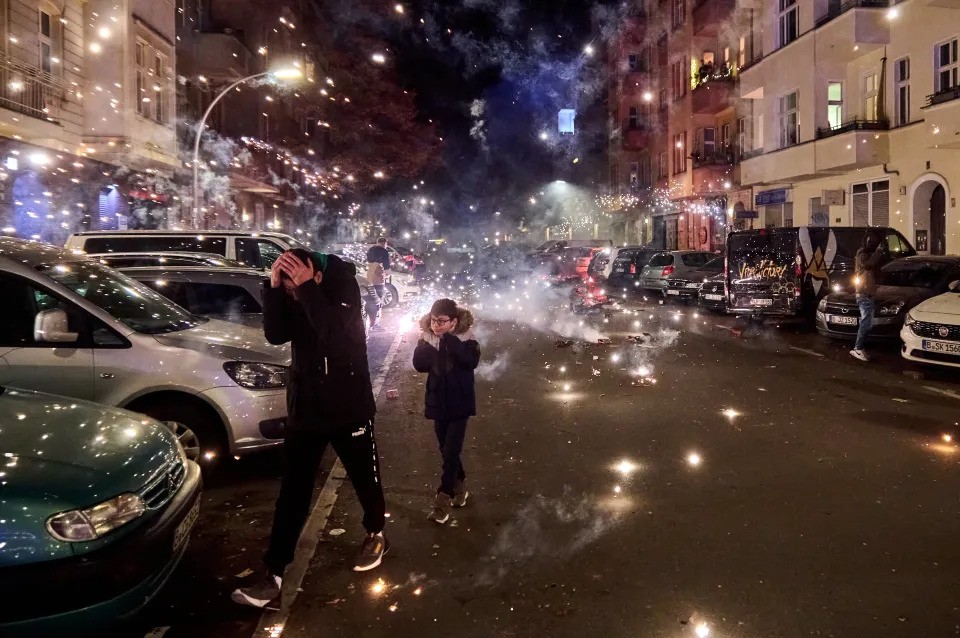
The five deaths reported were linked to incidents involving pyrotechnics, highlighting the dangers associated with the use of fireworks during the celebrations. In addition to the fatalities, several individuals sustained injuries, some of which were described as life-threatening. The use of fireworks, while a traditional part of New Year’s festivities, turned deadly in these instances, prompting concerns about safety regulations surrounding pyrotechnics.
In Berlin, the situation escalated to the point where police arrested approximately 390 individuals. A preliminary assessment revealed that at least 13 police officers were injured during the confrontations, with one officer suffering serious injuries. Despite the scale of the unrest, a police spokesperson noted that there was no major violence reported in the capital, suggesting that while the situation was tense, it did not reach a level of widespread chaos.
The unrest was not confined to Berlin. In Leipzig, reports indicated that around 50 individuals attacked police officers with fireworks and bottles, leading to further injuries among law enforcement. The situation escalated to the point where barricades were erected, and garbage was set ablaze, creating a hazardous environment for both emergency responders and local residents.
Munich also witnessed significant disturbances, with riots involving several hundred people. Police estimated that between 200 to 300 individuals, primarily associated with the leftist political scene, engaged in violent confrontations with officers. The scale of the unrest across these cities raises questions about the underlying tensions that may have contributed to such violent outbursts during what is typically a celebratory occasion.
The New Year’s Eve riots across Germany serve as a stark reminder of the potential for violence during public celebrations. With five lives lost and hundreds arrested, the events have sparked discussions about public safety, the regulation of fireworks, and the need for effective crowd management during large gatherings. As authorities investigate the incidents, the focus will likely turn to preventing similar occurrences in the future, ensuring that New Year’s celebrations can be enjoyed safely by all.