Switzerland's CERN to Expel Hundreds of Russian Scientists
-
 Loading...
 - Zach McCarthy
- 15 Oct 2024
- 52 Views
- 0 Like
- 0 Comment
The European Organization for Nuclear Research (CERN), based in Switzerland, will expel hundreds of Russian scientists later this year, according to a report by Nature journal. CERN's decision comes as part of its plan to sever ties with Russian research institutions, ending a decades-long scientific collaboration.
From November 30 all Russian-affiliated scientists will be barred from entering CERN’s facilities. Additionally, their Swiss and French residency permits will be revoked, further limiting their ability to continue work in the region.
A Gradual Disengagement from Russia
CERN, which emphasized in March that fewer than 500 Russian specialists remain affiliated with its projects, confirmed that none will be allowed to remain after the agreement ends. While Russia and the former Soviet Union have collaborated with CERN since 1955, they were never granted full membership. Russia applied for associate membership in 2012 but withdrew the request in 2018, opting for observer status instead.
Following the outbreak of the Russia-Ukraine war in March 2022, CERN suspended Moscow’s observer status in response to the conflict, marking a turning point in their relationship.
Russia's Role in CERN Projects
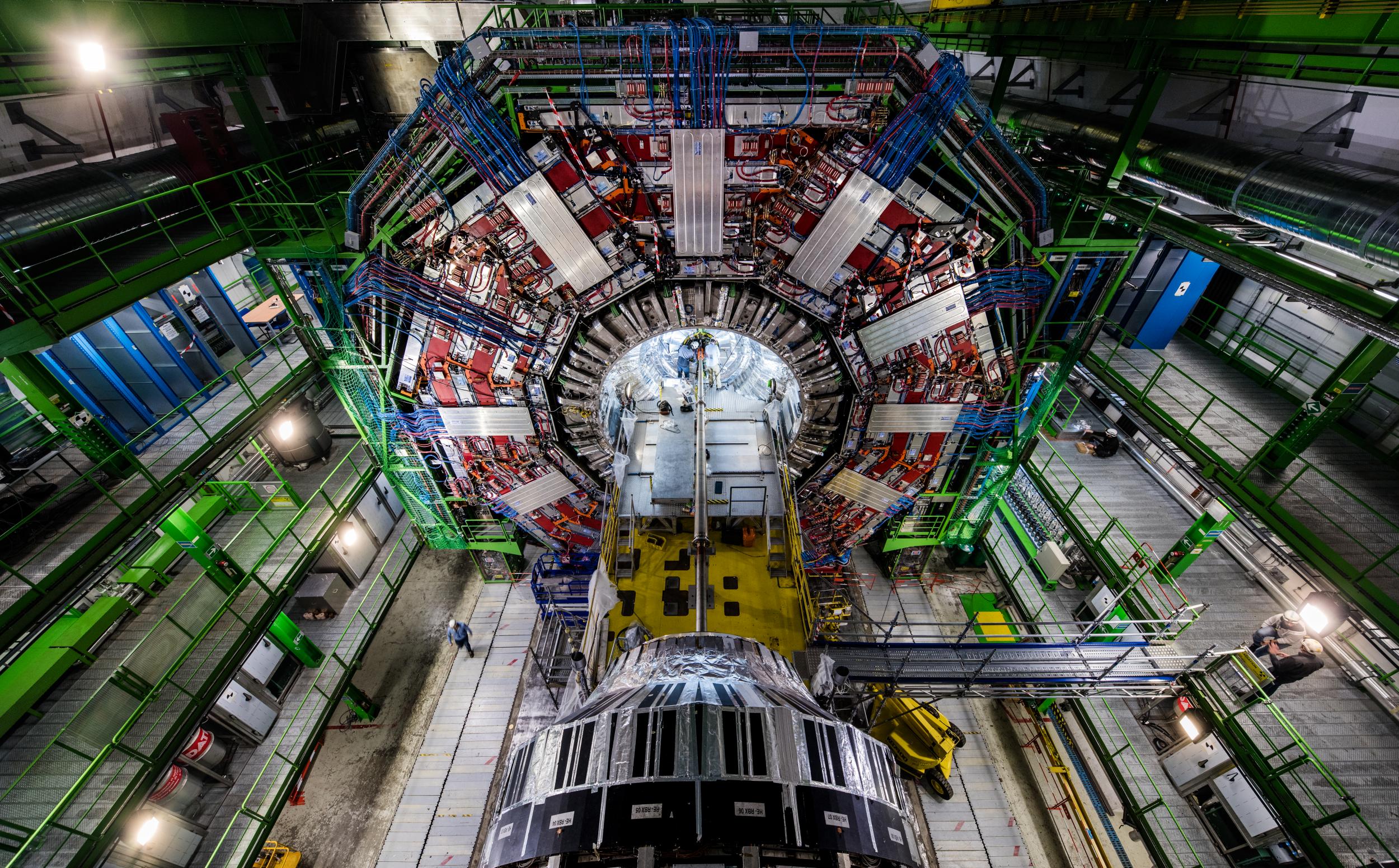
Over the years, Russia contributed to major projects at CERN, including financial and technical support for constructing the Large Hadron Collider (LHC)—the world’s largest and most powerful particle accelerator. The LHC was instrumental in confirming the existence of the Higgs boson in 2012, a discovery that transformed the understanding of how particles acquire mass.
Implications for Russian Scientists
The expulsion will have significant implications for the Russian scientific community. Many of these researchers are likely to lose their residency in Switzerland or France, forcing them to return to Russia or seek positions elsewhere. The move also reflects the broader geopolitical rift in the international scientific community triggered by Russia’s ongoing war in Ukraine.
The end of this partnership underscores a shift in CERN’s priorities as the organization distances itself from Russia, despite decades of collaborative breakthroughs.