Taiwan moves towards circular fashion

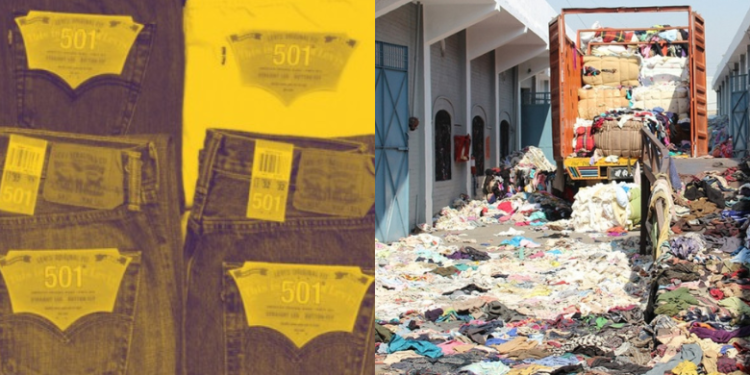
Taiwanese companies are embracing “circular fashion” through technology and innovation. Based on circular economy principles, circular fashion has been hailed as the solution to fashion’s systemic problem. According to a 2017 report by the Ellen MacArthur Foundation, the fashion industry is responsible for 10% of humanity’s carbon emissions. It is the world’s second-largest water supply consumer and a significant water polluter. Moreover, 85% of the over one billion annually produced clothes are later discarded, with less than one per cent of the garments collected for recycling made into new clothes. Instead, they end up in the incinerator or a landfill, where they can take hundreds of years to decompose.
In contrast to today’s linear system, a circular fashion system is regenerative by design and does not rely on consuming finite resources for growth. To achieve circularity, the Ellen MacArthur Foundation proposes four steps: phase out substances of concern and microfibre release; radically improve recycling; increase clothing utilisation; make effective use of resources and move to renewable inputs. Through innovative technologies in line with these steps, many Taiwanese companies are working towards making the fashion industry more circular and sustainable locally and globally.
Sustainable textile innovations
Taiwanese textile companies have embarked on the circular fashion journey by eliminating hazardous substances and microplastics from their textiles and considering textiles’ end of life. This step ensures that the clothes will have no negative impact during their production and use and later either enables their large-scale recycling or reduces the impact of their disposal.
Taiwan is uniquely qualified for this endeavour and is the world’s seventh top exporter of textile products. In 2021, the island’s textile export value was US$9.03 billion. In its long history of textile manufacturing, the industry has changed from being a mass producer of cheap fabrics to a textile innovator. The industry focuses on producing high-quality smart, functional, and sustainable fabrics and has stayed on the list of top players worldwide.
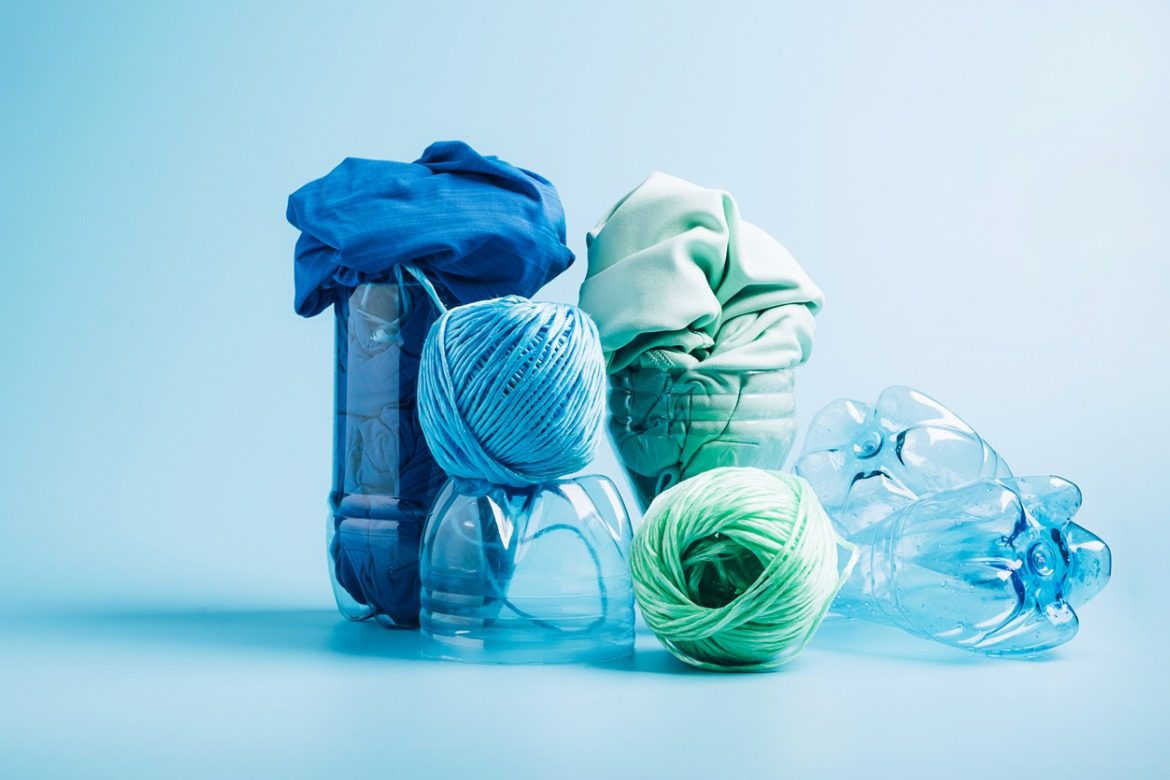
The Taiwanese textile industry is continuously perfecting existing production processes and technology, and thanks to the strategic investment in R&D, there is no shortage of sustainable textile innovations. Taiwan has long been a leader in developing yarns from recycled PET bottles, even finding ways to make them break down within five years.
Apart from giving new life to recycled plastics, the Taiwanese textile industry is also actively engaged in searching for textile solutions that include the use of “waste” from renewable resources, such as coffee grounds, fish scales, and pineapple leaves. While for the latter, the idea does not originate from Taiwan, the island’s large-scale fruit production and its 280000 tons of leaves burned each year have made it worthwhile for local manufacturers to develop it. Successful products include Foremost Group’s NUPELLE, a leather made from pineapple, and Supertex’s range of fabrics made from a recycled polymer and pineapple blend.
For other waste products, Taiwanese textile companies have played a pioneering role. In 2009, the Taiwanese company SINGTEX launched the brand S.Café. The brand created a technology that uses leftover coffee grounds to create a quick-drying yarn that protects from UV rays and absorbs body odours.
Another innovation is Camangi Corporation’s Umorfil, launched in 2012. Umorfil technology integrates collagen peptide amino acid derived from aquaculture fish scales – waste from fish products – with natural or synthetic fibres. The textiles are skin friendly, naturally deodorising and cooling, anti-UV, and moisturising.
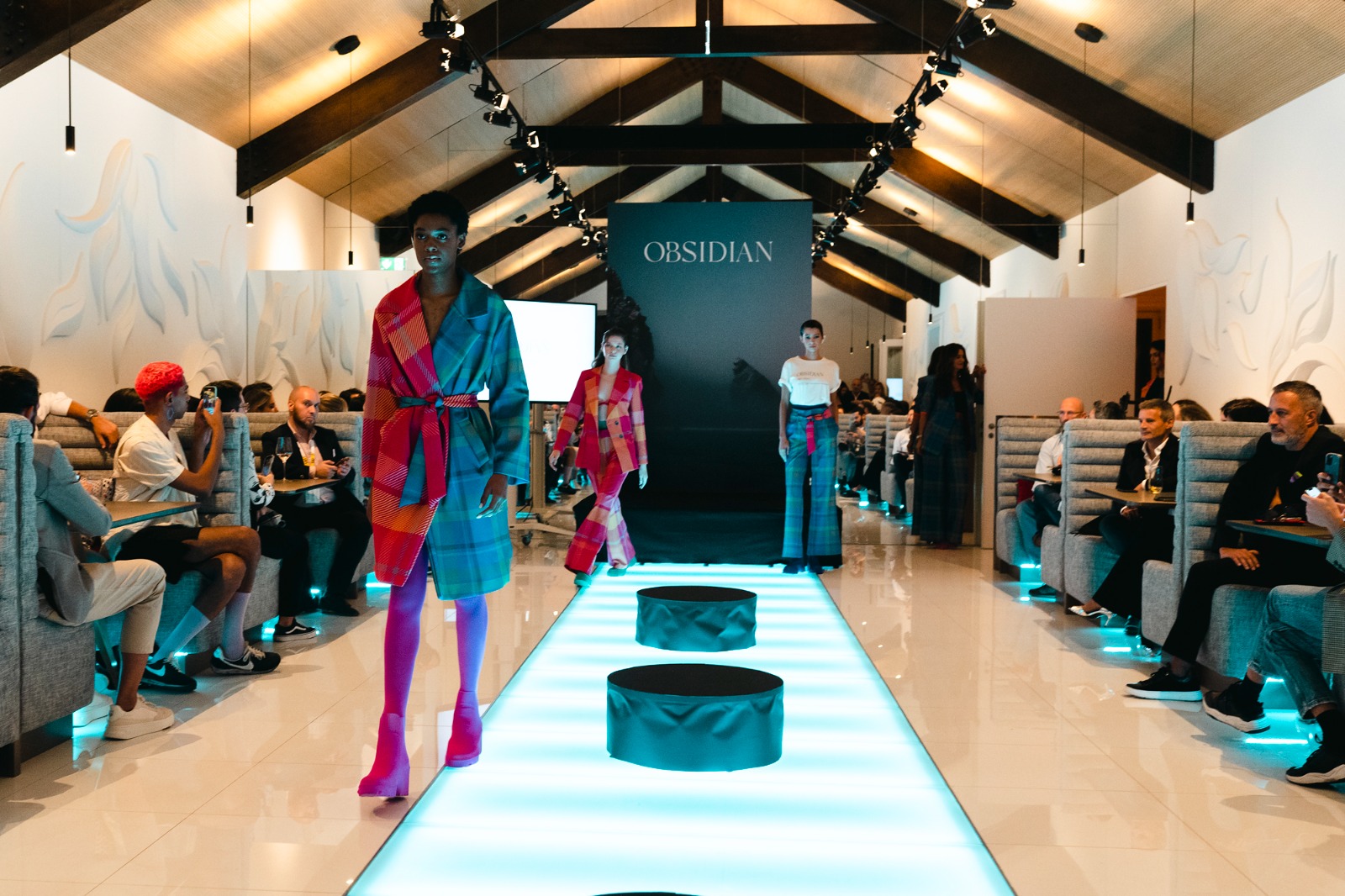
S. Café and Umorfil have since applied their technologies to create a wide range of fabrics for diverse purposes. Additionally, various textile companies have used a third waste product from food – oyster shells. The finely ground shells are mixed with recycled plastic bottles to create a fabric that protects the skin from UV rays, is anti-odour, and provides insulation from the cold. It can also be stylish. Clothes made from fish scale and oyster shell fabrics featured prominently during Taipei Fashion Week 2022, and Vogue magazine describing them as “highly wearable” shows their potential to become mainstream eventually. Read More…