Home Upload Photo Upload Videos Write a Blog Analytics Messaging Streaming Create Adverts Creators Program
Bebuzee Afghanistan Bebuzee Albania Bebuzee Algeria Bebuzee Andorra Bebuzee Angola Bebuzee Antigua and Barbuda Bebuzee Argentina Bebuzee Armenia Bebuzee Australia Bebuzee Austria Bebuzee Azerbaijan Bebuzee Bahamas Bebuzee Bahrain Bebuzee Bangladesh Bebuzee Barbados Bebuzee Belarus Bebuzee Belgium Bebuzee Belize Bebuzee Benin Bebuzee Bhutan Bebuzee Bolivia Bebuzee Bosnia and Herzegovina Bebuzee Botswana Bebuzee Brazil Bebuzee Brunei Bebuzee Bulgaria Bebuzee Burkina Faso Bebuzee Burundi Bebuzee Cabo Verde Bebuzee Cambodia Bebuzee Cameroon Bebuzee Canada Bebuzee Central African Republic Bebuzee Chad Bebuzee Chile Bebuzee China Bebuzee Colombia Bebuzee Comoros Bebuzee Costa Rica Bebuzee Côte d'Ivoire Bebuzee Croatia Bebuzee Cuba Bebuzee Cyprus Bebuzee Czech Republic Bebuzee Democratic Republic of the Congo Bebuzee Denmark Bebuzee Djibouti Bebuzee Dominica Bebuzee Dominican Republic Bebuzee Ecuador Bebuzee Egypt Bebuzee El Salvador Bebuzee Equatorial Guinea Bebuzee Eritrea Bebuzee Estonia Bebuzee Eswatini Bebuzee Ethiopia Bebuzee Fiji Bebuzee Finland Bebuzee France Bebuzee Gabon Bebuzee Gambia Bebuzee Georgia Bebuzee Germany Bebuzee Ghana Bebuzee Greece Bebuzee Grenada Bebuzee Guatemala Bebuzee Guinea Bebuzee Guinea-Bissau Bebuzee Guyana Bebuzee Haiti Bebuzee Honduras Bebuzee Hong Kong Bebuzee Hungary Bebuzee Iceland Bebuzee India Bebuzee Indonesia Bebuzee Iran Bebuzee Iraq Bebuzee Ireland Bebuzee Israel Bebuzee Italy Bebuzee Jamaica Bebuzee Japan Bebuzee Jordan Bebuzee Kazakhstan Bebuzee Kenya Bebuzee Kiribati Bebuzee Kuwait Bebuzee Kyrgyzstan Bebuzee Laos Bebuzee Latvia Bebuzee Lebanon Bebuzee Lesotho Bebuzee Liberia Bebuzee Libya Bebuzee Liechtenstein Bebuzee Lithuania Bebuzee Luxembourg Bebuzee Madagascar Bebuzee Malawi Bebuzee Malaysia Bebuzee Maldives Bebuzee Mali Bebuzee Malta Bebuzee Marshall Islands Bebuzee Mauritania Bebuzee Mauritius Bebuzee Mexico Bebuzee Micronesia Bebuzee Moldova Bebuzee Monaco Bebuzee Mongolia Bebuzee Montenegro Bebuzee Morocco Bebuzee Mozambique Bebuzee Myanmar Bebuzee Namibia Bebuzee Nauru Bebuzee Nepal Bebuzee Netherlands Bebuzee New Zealand Bebuzee Nicaragua Bebuzee Niger Bebuzee Nigeria Bebuzee North Korea Bebuzee North Macedonia Bebuzee Norway Bebuzee Oman Bebuzee Pakistan Bebuzee Palau Bebuzee Panama Bebuzee Papua New Guinea Bebuzee Paraguay Bebuzee Peru Bebuzee Philippines Bebuzee Poland Bebuzee Portugal Bebuzee Qatar Bebuzee Republic of the Congo Bebuzee Romania Bebuzee Russia Bebuzee Rwanda Bebuzee Saint Kitts and Nevis Bebuzee Saint Lucia Bebuzee Saint Vincent and the Grenadines Bebuzee Samoa Bebuzee San Marino Bebuzee São Tomé and Príncipe Bebuzee Saudi Arabia Bebuzee Senegal Bebuzee Serbia Bebuzee Seychelles Bebuzee Sierra Leone Bebuzee Singapore Bebuzee Slovakia Bebuzee Slovenia Bebuzee Solomon Islands Bebuzee Somalia Bebuzee South Africa Bebuzee South Korea Bebuzee South Sudan Bebuzee Spain Bebuzee Sri Lanka Bebuzee Sudan Bebuzee Suriname Bebuzee Sweden Bebuzee Switzerland Bebuzee Syria Bebuzee Taiwan Bebuzee Tajikistan Bebuzee Tanzania Bebuzee Thailand Bebuzee Timor-Leste Bebuzee Togo Bebuzee Tonga Bebuzee Trinidad and Tobago Bebuzee Tunisia Bebuzee Turkey Bebuzee Turkmenistan Bebuzee Tuvalu Bebuzee Uganda Bebuzee Ukraine Bebuzee United Arab Emirates Bebuzee United Kingdom Bebuzee Uruguay Bebuzee Uzbekistan Bebuzee Vanuatu Bebuzee Venezuela Bebuzee Vietnam Bebuzee World Wide Bebuzee Yemen Bebuzee Zambia Bebuzee Zimbabwe
Blog Image

The Tidal Wave Of Sustainable Fashion Is Approaching, But Is Pakistan Catching Up?

If major brands begin to think about sustainability as not just the end result, but also in terms of what goes on at the back end, at the workshops and the factories and the warehouses, perhaps we might have a chance to catch the wave after all.

The global fashion industry had been expecting a reckoning, but that it would come in the shape of a global pandemic was unanticipated. For years, the case against fast fashion and exploitative production techniques had been accumulating, and when Covid forced everyone to halt, the moment for reinvention had arrived. Sustainability became more than a far-off ideal or a marketing buzzword, as brands realized it was entirely possible to slow down production while still making profits. While the progress has been slow, the fact that there has been progress at all is a relief.

As in the case of most cultural diffusions from the global north to the global south, it takes a while for countries like Pakistan to catch up to the latest discourse. Sustainable fashion has been in the West’s industrial lexicon for many years, but only now is the conversation stirring up in Pakistan. Although the Pakistani fashion industry continues to remain dominated by seasonal loose-fabric lawn sales, the ready-to-wear sector is seeing a slight shift in trends.

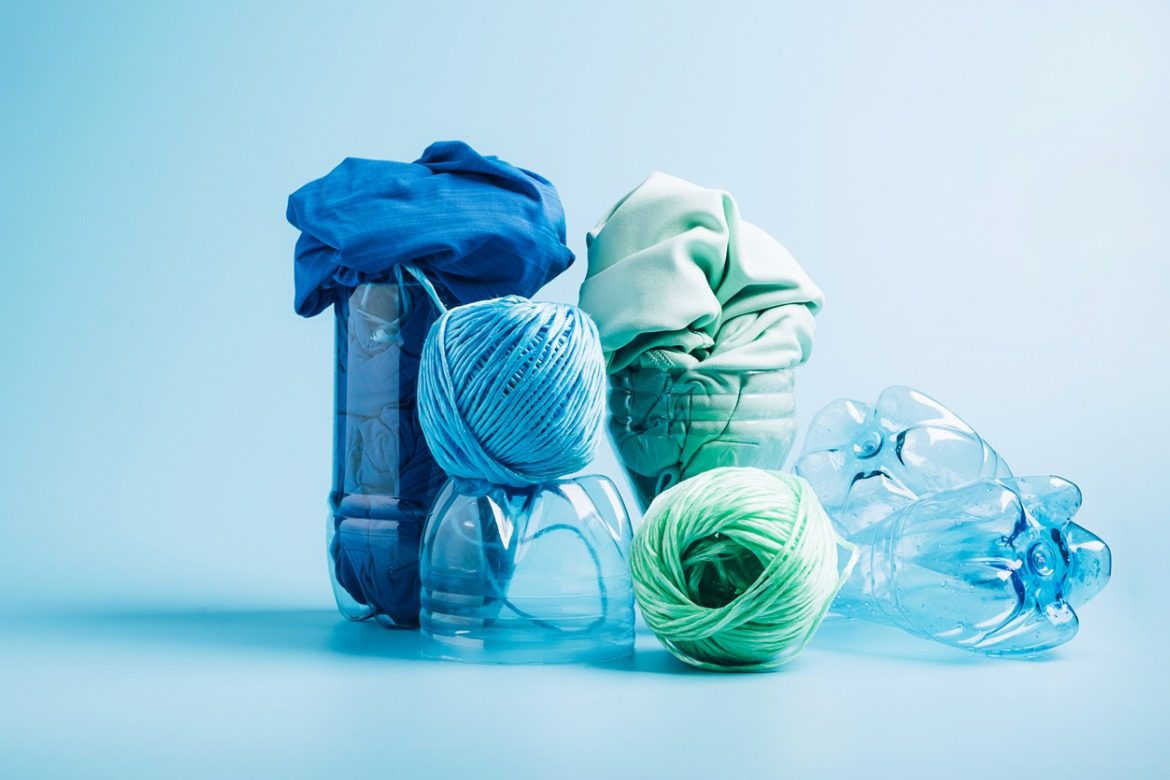
Generation pioneered the Pakistani ready-to-wear industry some 40 years ago. It’s very inception was a move towards sustainability, as the founders strove to reject imported (and non-biodegradable) polyester fabrics and instead opt for local cotton-based cloth instead. But today, Generation takes the commitment to sustainability a step further, and has set up a dedicated department for the cause. The brand’s new category, called ‘reGENERATE’, utilizes surplus fabrics to create new apparel in an effort to reduce waste from their main product lines.

The brand’s production cycle has two main seasons —summer/spring and winter/fall, as well as two additional collections for each of the two Eid festivals. Each season is then divided into further collections, all of which are planned a year in advance to figure out exactly how much fabric would be required. Khadija Rehman, the CEO of Generation says, “We limit our quantities because our production still employs a lot of analogue technologies such as hand block printing, handmade ajrak, applique etc, so there is a cap on how much we can make by hand and maintain our quality.”

Maintaining that Generation has always strived to maintain quality and durability, Khadija explains that the brand produces clothes created by craftspeople whose skills have been passed down from generation to generation, so that the clothes too, can be passed down from generation to generation. “Naturally, they come at a cost,” she says, adding, “But we’ve got such a loyal pool of customers who are willing to pay a premium because they know that our clothes are made to last.” Read More…
Previous Post

How to Layer for a Versatile Closet

Next Post

How Suits Have Made Success Globally?

Comments