Taiwan Must Advance Chip Technology to Stay Ahead, TSMC’s Cliff Hou Says
-
 Loading...
 - Bulan Susilo
- 07 Nov 2024
- 86 Views
- 0 Like
- 0 Comment
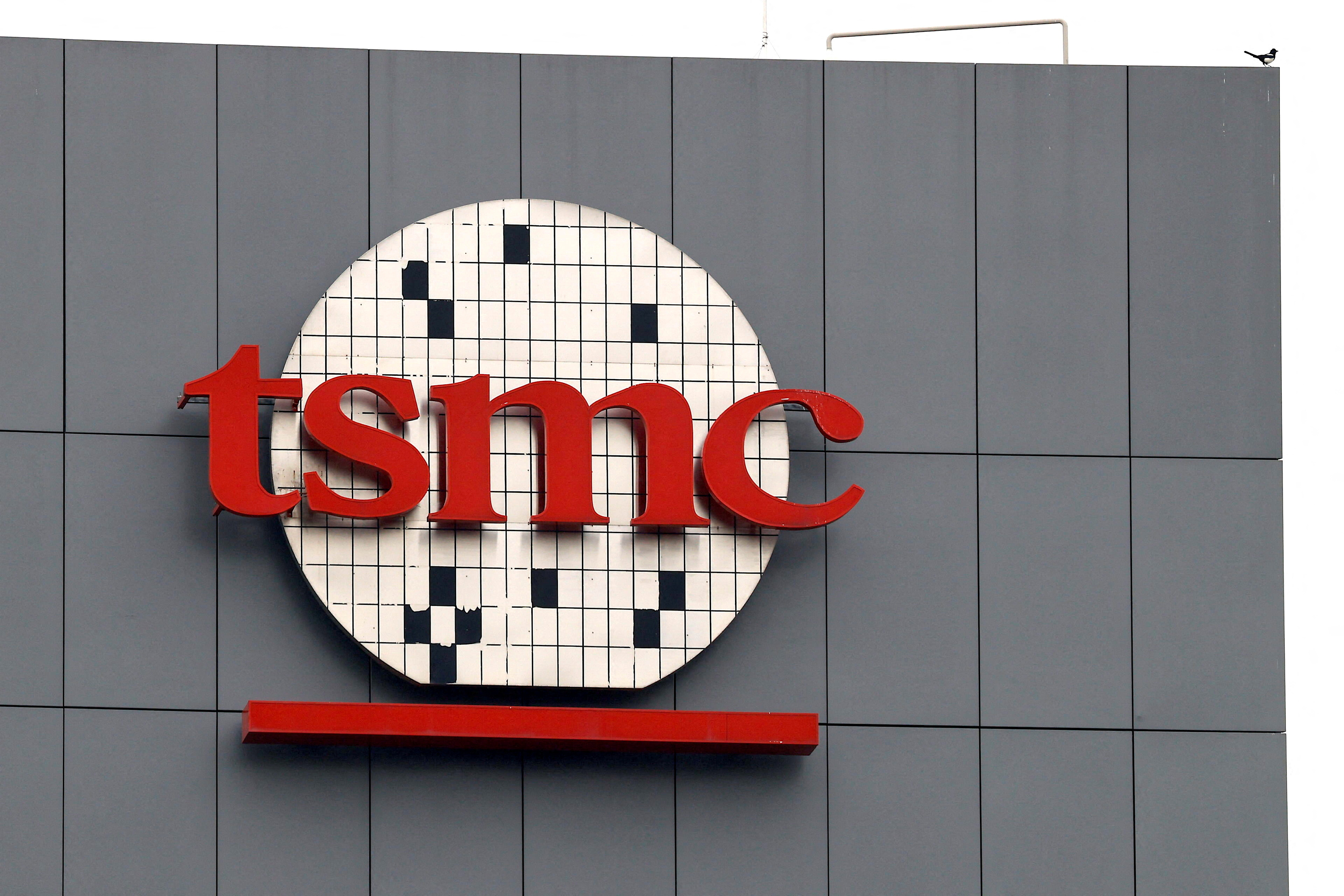
As the global demand for advanced semiconductor technology intensifies, Taiwan Semiconductor Manufacturing Co. (TSMC) Senior Vice President Cliff Hou has emphasized that Taiwan must invest heavily in chip technology to maintain its global leadership. In his capacity as chairman of the Taiwan Semiconductor Industry Association, Hou underscored the importance of accelerating research and development (R&D) to keep Taiwan indispensable in the semiconductor supply chain.
Hou's comments came shortly after Donald Trump was elected as the U.S. president for a second term, which could impact Taiwan’s international relations. In his address, Hou emphasized that Taiwan should direct more resources toward developing supply chain expertise and expanding its capabilities in chip design, materials, and manufacturing. To support this goal, TSMC and other Taiwanese companies are actively working with the government to attract foreign partners who could help establish design and materials centers on the island, enhancing Taiwan’s semiconductor ecosystem.
Taiwan has long held a critical position in the U.S. supply chain, especially as the top supplier of chips for key tech giants like Apple Inc. and Nvidia Corp. Hou, a seasoned TSMC executive with a doctorate from the U.S., expressed confidence that Taiwan’s close relationship with the U.S. will remain strong regardless of changes in U.S. leadership. He noted that while Trump has criticized Taiwan for dominating the semiconductor market, calling for tariffs instead of subsidies, the U.S.-Taiwan semiconductor collaboration is unlikely to waver.
During his campaign and recent public statements, Trump reiterated concerns about the shift of semiconductor manufacturing to Taiwan, suggesting tariffs could encourage companies like TSMC to expand their chipmaking presence in the U.S. Previously, TSMC announced a $65 billion commitment to building three semiconductor plants in Arizona, contingent on local and federal support. However, TSMC remains committed to keeping its most advanced technology in Taiwan, with Taiwan’s Minister of Economic Affairs J.W. Kuo affirming that current laws prevent the export of its leading-edge technology.
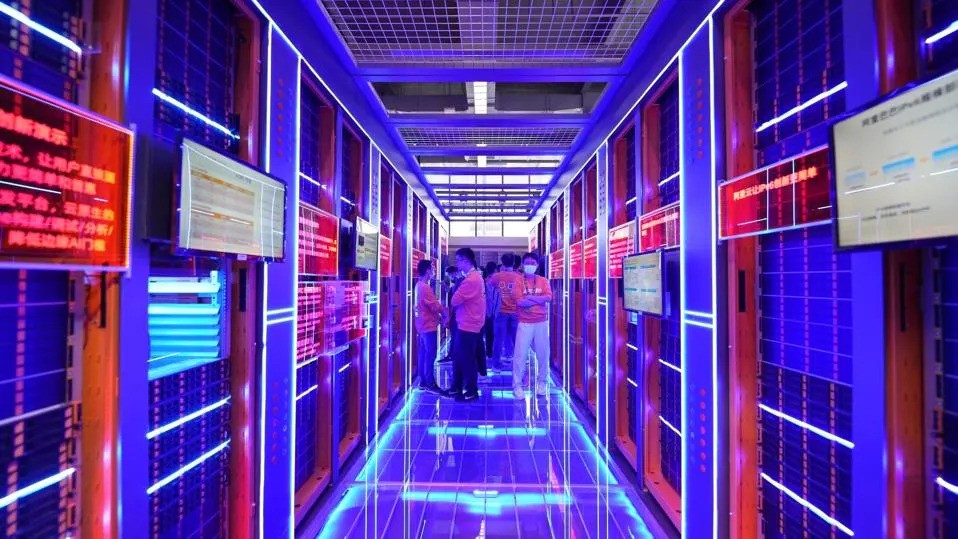
Beyond TSMC, Taiwan’s semiconductor industry has seen rapid growth driven by the increasing demand for artificial intelligence. Smaller Taiwanese suppliers have secured significant market share in AI data centers, powering servers with cooling technology and power solutions crucial for AI development. This expansion has highlighted the importance of Taiwan’s semiconductor sector as it adapts to emerging technology needs.
Hou highlighted two key areas for Taiwan to focus on: equipment and materials expertise—both of which are heavily reliant on foreign sources. By developing domestic capabilities in these areas, Taiwan aims to build a more self-sufficient supply chain, reducing dependency on foreign suppliers. TSMC’s role as a leader in semiconductor innovation positions Taiwan as a vital global player, but sustained leadership requires ongoing investments and a commitment to protecting the island’s technological edge.
In light of global competition and shifting geopolitical factors, Taiwan’s semiconductor industry is doubling down on innovation and resource allocation. As TSMC and Taiwan’s government work together to attract partnerships and enhance domestic expertise, the island seeks to solidify its standing as a hub for cutting-edge technology, serving as a crucial link in the global semiconductor supply chain. Hou’s message reinforces the importance of Taiwan’s semiconductor leadership while underscoring the need for continuous advancement to maintain a competitive edge.