Texture Photography Tips for Finding and Capturing Unique Textures
-
 Loading...
 - Flavia Donato
- 22 Feb 2023
- 55 Views
- 0 Like
- 0 Comment
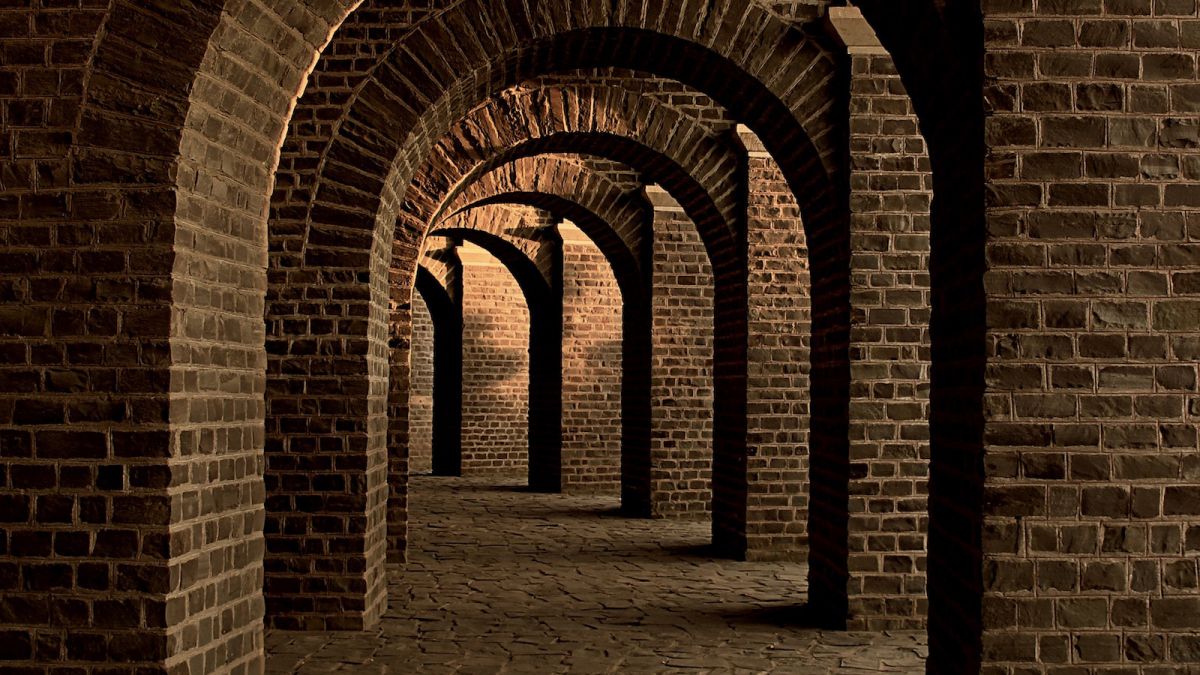
As we practice the art of photography, we’re always looking for ways to add visual interest to our photos, to capture our subjects in unexpected ways. One of the ways we can do this is to consider the role that texture plays in our photography. For example, we can use textures as a leading line, a focal point, or even a background element. Incorporating texture into our shots like this will enhance our composition skills and add depth and interest to our images. We can also use textures, which includes everything from brick walls to tree bark and metal surfaces as subjects in our photos. Graphic and gaming designers often use textures from stock photography sites to add dimension to various design projects. Photographing textures can be a challenging and rewarding experience for photographers of all levels. To that end, we’ve put together some texture photography tips, ideas, and examples to help you get started.
Tip 1: Choose the Right Camera and Lens
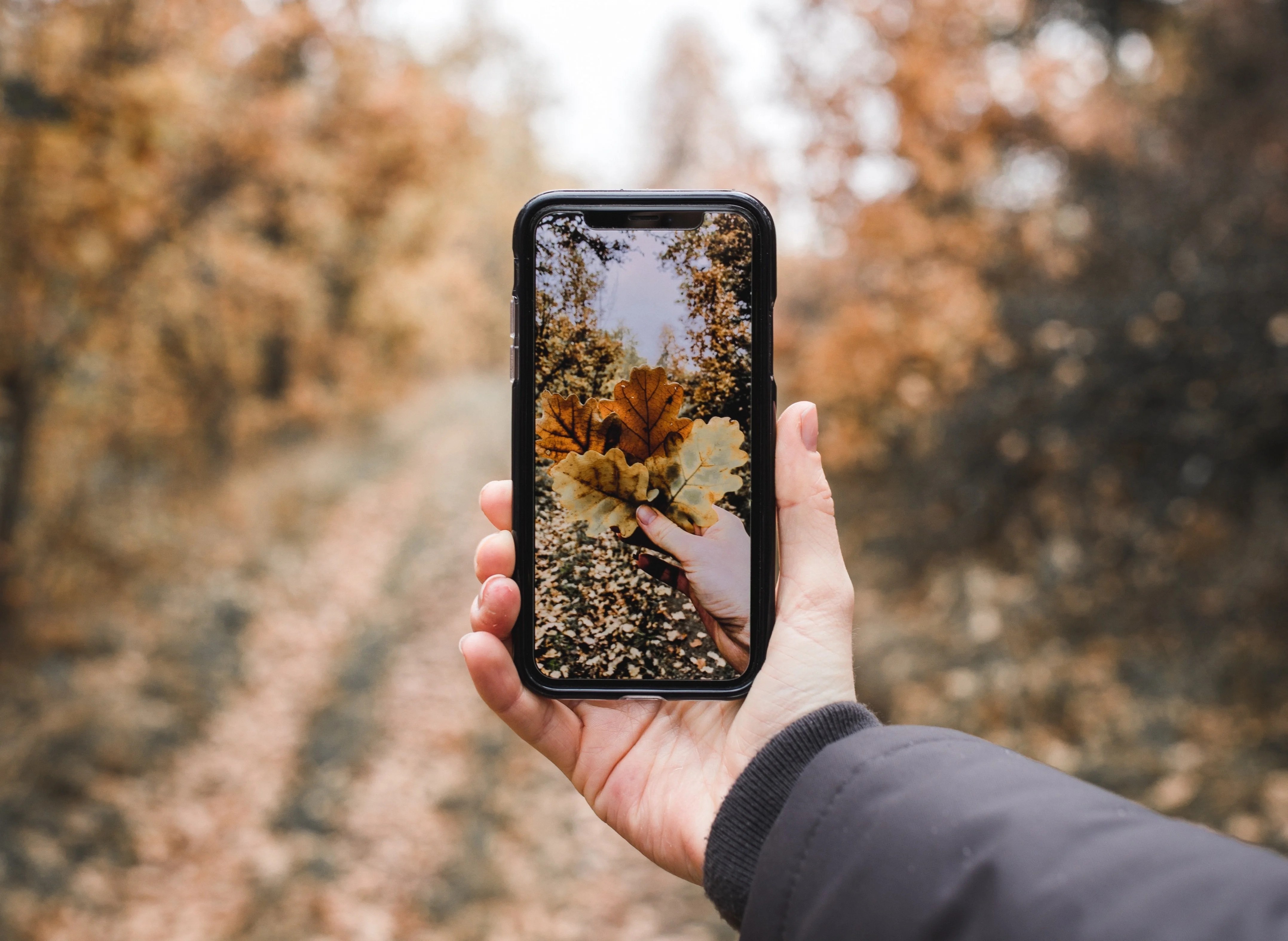
When it comes to photographing textures, you can really use any lens and camera (such as a smartphone), but some options will serve you better. Any DSLR or mirrorless camera with a decent sensor size for higher resolution and a macro lens, for instance, can help you get up close and capture the intricate details of textures without having to sacrifice image quality with unnecessary cropping. If you’re using the texture as a backdrop, you’ll likely want a lens with a wide enough aperture to separate the subject from the background with a nice amount of bokeh.
Here are some versatile gear recommendations to consider for texture photography. Take a look at the specs for gear below and find comparable gear from other brands if necessary/preferred. Again, most cameras will work, including your phone. The following lenses and other gear-related items are also just suggestions.
Cameras
- DSLR: Canon 5D Mark IV
- DSLR: Nikon D850
- Mirrorless: Sony A7 IV
Lenses
- Canon EF 100mm f/2.8L IS USM Macro (great for portraits as well)
- Tamron SP 24-70mm f/2.8 Di VC USD G2 for Canon EF
Off-Camera Flash, Light Stand, & Modifiers
- Godox V1 for Canon
- Godox XProC TTL Wireless Flash Trigger for Canon
- Manfrotto 5001B Nano Light Stand
- Westcott Optical White Satin Diffusion Umbrella
- 5-in-1 Reflector
Tripod
- Peak Design Aluminum Travel Tripod
Tip 2: Find Textures Worth Photographing
Textures exist all around us, in nature, in cities, in the clothes we wear, and even in our own skin. When we’re considering which textures we should photograph, it helps to think about who might use these textures and how they’ll be applied. For example, we could photograph crinkled paper that a graphic designer might use as a blending layer to add texture to a poster. Or, maybe we want to use a grungy looking backdrop for a portrait session to give it an urban feel. We can use any number of textures to achieve similar goals. Read More…