Thailand Approves US$2.8 Billion Soft Loan Scheme for Commercial Banks

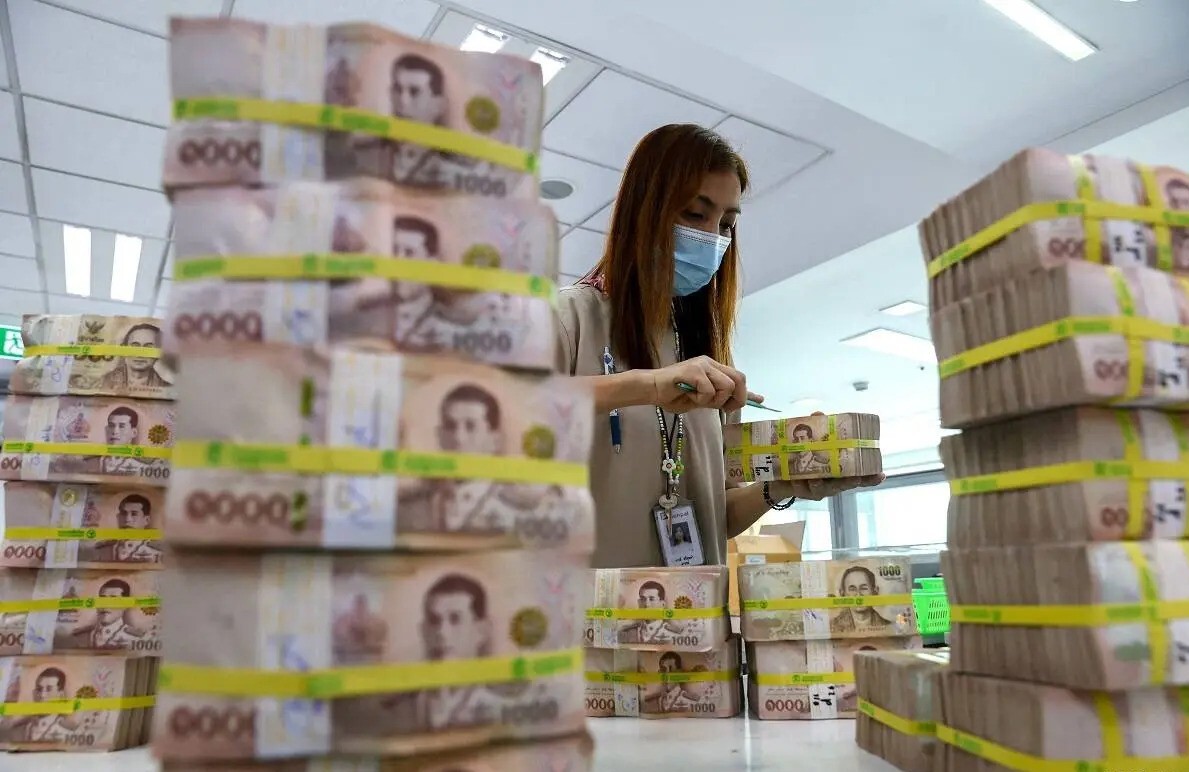
Thailand's cabinet approved a 100 billion-baht (US$2.8 billion) soft loan scheme aimed at providing financial relief to smaller businesses. This initiative involves lending funds to commercial banks, which will then extend these loans to borrowers at below-market rates, according to Deputy Finance Minister Paopoom Rojanasakul.
The programme is designed to assist smaller businesses in obtaining loans amid tightened lending practices. The state-owned Government Savings Bank will facilitate this by offering liquidity to commercial banks at a nominal interest rate of 0.01 per cent. These banks, in turn, will lend to small businesses at a rate not exceeding 3.5 per cent for a duration of three years. This is significantly lower than the current retail lending rates among Thai banks, which exceed 7 per cent.
"This will inject capital into the system," said Paopoom, emphasizing that the funds for this scheme come from the state bank's resources and not from the government budget. The scheme is a strategic response to the slow economic recovery and rising bad debt, which have led to more stringent lending by banks.
Prime Minister Srettha Thavisin has committed to announcing additional measures next week to address issues such as high electricity prices, as part of broader efforts to stimulate growth in Southeast Asia's second-largest economy.
In a related move, Thai banks announced in April that they would reduce lending rates by 25 basis points for vulnerable groups for six months, following a request from the prime minister.
Despite the government's pressure on the central bank to reduce rates to support the economy, the central bank has maintained its key interest rate at 2.50 per cent for the fourth consecutive meeting last month. The central bank projects the economy to grow by 2.6 per cent this year, following a 1.9 per cent growth last year, which lagged behind regional peers.
The approval of this US$2.8 billion soft loan scheme is a significant step by the Thai government to support smaller businesses and stimulate economic growth. By offering lower interest rates and increasing liquidity, the government aims to alleviate the financial strain on businesses and enhance overall economic stability.