The Arctic In Peril: Collaboration Threatened As Russia Stalls
-
 Loading...
 - Kylie Smith
- 19 May 2023
- 86 Views
- 0 Like
- 0 Comment
With the climate crisis causing temperatures to rise three times faster than the global average, the Arctic region is undergoing unprecedented transformations. Preserving its delicate ecosystems requires international cooperation. For the past three decades, the Arctic Council has fostered collaboration among eight member countries (Canada, Denmark, Finland, Iceland, Norway, Sweden, the United States, and Russia) to safeguard local flora and fauna. However, the recent pause in cooperation with Russia due to Putin's incursion into Ukraine poses a significant risk to the region's sensitive ecology.
Russia, controlling over half of the Arctic coastline, has been an essential player within the council. The absence of their active involvement has weakened the organization, with approximately one-third of the council's 130 projects currently on hold and new initiatives unable to be implemented. Nikolay Korchunov, the Russian Arctic Ambassador, expressed doubts to Reuters about the Arctic Council's ability to remain the primary platform for addressing Arctic matters.
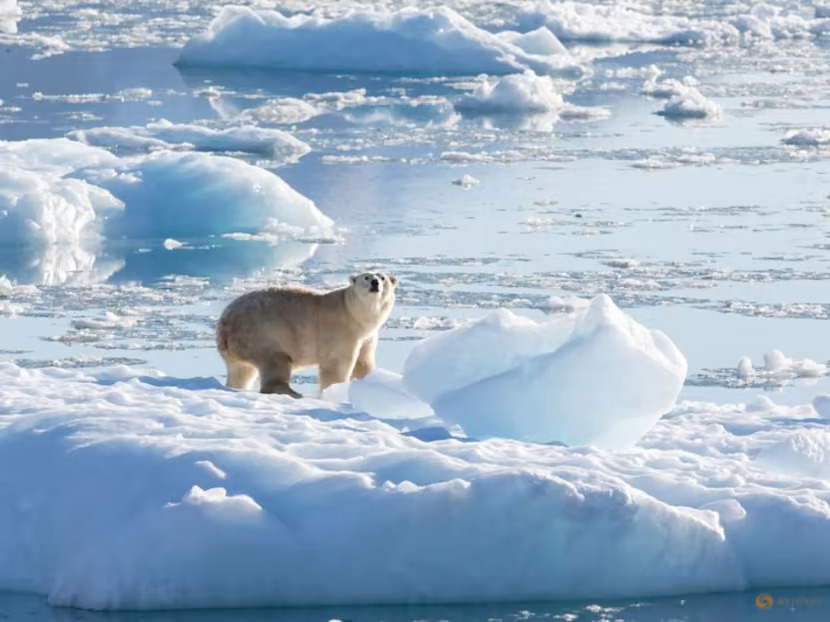
The consequences could be dire. The World Wildlife Fund (WWF) warns that Arctic sea ice is disappearing at an alarming rate. Without urgent action, polar bears could face starvation and reproductive failure by 2100. In addition to climate-related pressures, the Arctic must grapple with the intensified extraction of oil and gas. Unfortunately, the suspended cooperation between Russia and the other Arctic Council members hampers an effective response to these challenges.
In the past, the council has established binding agreements on environmental protection and nature conservation. To effectively safeguard the Arctic and its invaluable wildlife, renewed and efficient collaboration among Arctic nations is imperative.
However, according to experts from the RAND Corporation research institute, predicting Russia's behavior in the Arctic is challenging, as it could shift from cooperative to conflictual. Consequently, council members must reconsider the nature of their partnerships with Russia. Rasmus Gjedssø Bertelsen from the Arctic University of Norway in Tromso highlights the delicate balance required, stating, "They have to isolate Russia and at the same time make sure not to provoke Russia to dissolve the Council."
Fortunately, recent developments indicate a positive trajectory. Last week, Norway assumed the chairmanship from Russia and expressed its commitment to advancing the council's work in preserving the Arctic. Eivind Vad Petersson, the Norwegian Deputy Foreign Minister, emphasized the need to protect the Arctic Council as the paramount international forum for Arctic cooperation. Norway pledged to continue the "important work" despite Russia's absence from future talks.
Dwayne Ryan Menezes, founder and director of the Polar Research and Policy Initiative, rightly acknowledges that Norway's assumption of the presidency will not magically resolve the council's problems. Nonetheless, it enables the majority of member states to reestablish a close working relationship with the chair, fostering cooperation and coordination within the forum. While significant challenges lie ahead, the future of Arctic protection appears promising.