The Athenian Politics: A Game of Musical Chairs
-
 Loading...
 - Eva Reilly
- 22 Jul 2024
- 61 Views
- 0 Like
- 0 Comment
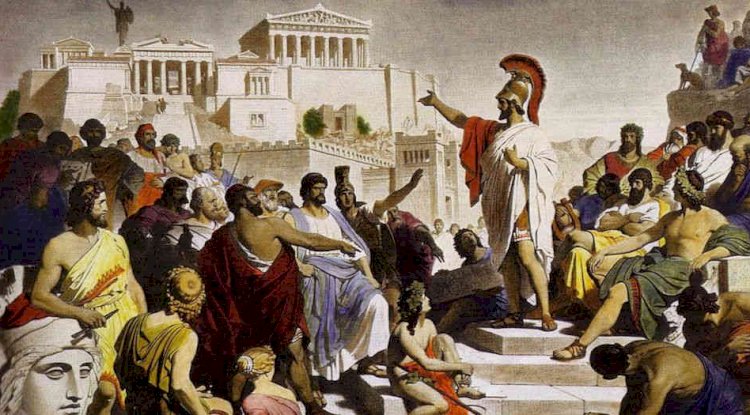
In the grand halls of Athens, where democracy was once the pride of the city, politics has devolved into an elaborate game of musical chairs. Gone are the days of philosophical debates and eloquent speeches; now, the seats of power are determined by who can snag a chair when the music stops.
The Players
The Incumbents
First, we have the incumbents, a group of seasoned politicians who have perfected the art of sitting down quickly. Their experience gives them a slight edge, but their reflexes aren’t what they used to be. They rely on strategic elbow nudges and well-timed coughs to distract their younger competitors.
The Newcomers
Next, we have the ambitious newcomers. Fresh-faced and full of energy, these hopefuls have spent months in training, practicing their sprints and perfecting their plops. They are driven by the promise of change and the tantalizing prospect of a cushioned seat in the council.
The Opportunists
Lastly, we have the opportunists. These individuals have no real desire to govern but see the game as an excellent way to increase their social media following. Their strategy involves flashy entrances, dramatic falls, and exaggerated tumbles to ensure maximum coverage and viral moments.
The Rules
The rules of this peculiar game are simple: When the music plays, everyone must circle the chairs. When the music stops, everyone scrambles for a seat. Those left standing are out, their political careers momentarily paused until the next round. The music is controlled by a mysterious DJ known only as "Apollo," whose unpredictable playlist keeps everyone on their toes.
The Strategy
The Incumbents’ Tactics
The incumbents rely on their knowledge of the game’s subtleties. They know which chairs are slightly wobbly and avoid them. They also have a secret network of chair spotters who relay information about the best routes to take.
The Newcomers’ Energy
The newcomers, while lacking in experience, make up for it with sheer enthusiasm. They dash and dart with a fervor that sometimes catches the incumbents off guard. Their main strategy is speed – get to a chair before anyone else even thinks about sitting.
The Opportunists’ Showmanship
The opportunists, true to their nature, focus on the spectacle. They might not always secure a seat, but they make sure that their attempts are unforgettable. They aim for the sympathy vote, hoping that their dramatic flops and near-misses will endear them to the public.
The Outcome
At the end of each round, those who have found a seat engage in a brief but intense session of policy-making. Decisions are made in a flurry of activity, often resulting in half-baked policies that leave the public scratching their heads. Meanwhile, the standing politicians regroup, strategize, and prepare for the next round of musical chairs.
The Spectacle
The entire city watches this spectacle with bated breath. Taverns are filled with citizens placing bets on who will secure a seat and who will be left standing. The game has become the city’s favorite pastime, a strange blend of sport and politics that everyone can’t seem to get enough of.
The Legacy
While some lament the loss of traditional politics, others argue that this new system is more transparent. After all, in a game of musical chairs, there’s no hiding – your success or failure is immediately apparent. And so, the Athenian politics continue, a never-ending game of musical chairs where the stakes are high, and the chairs are few.
In this absurd dance of democracy, one thing is clear: in Athens, you’ve got to be quick on your feet, or you’ll be left standing when the music stops.