Home Upload Photo Upload Videos Write a Blog Analytics Messaging Streaming Create Adverts Creators Program
Bebuzee Afghanistan Bebuzee Albania Bebuzee Algeria Bebuzee Andorra Bebuzee Angola Bebuzee Antigua and Barbuda Bebuzee Argentina Bebuzee Armenia Bebuzee Australia Bebuzee Austria Bebuzee Azerbaijan Bebuzee Bahamas Bebuzee Bahrain Bebuzee Bangladesh Bebuzee Barbados Bebuzee Belarus Bebuzee Belgium Bebuzee Belize Bebuzee Benin Bebuzee Bhutan Bebuzee Bolivia Bebuzee Bosnia and Herzegovina Bebuzee Botswana Bebuzee Brazil Bebuzee Brunei Bebuzee Bulgaria Bebuzee Burkina Faso Bebuzee Burundi Bebuzee Cabo Verde Bebuzee Cambodia Bebuzee Cameroon Bebuzee Canada Bebuzee Central African Republic Bebuzee Chad Bebuzee Chile Bebuzee China Bebuzee Colombia Bebuzee Comoros Bebuzee Costa Rica Bebuzee Côte d'Ivoire Bebuzee Croatia Bebuzee Cuba Bebuzee Cyprus Bebuzee Czech Republic Bebuzee Democratic Republic of the Congo Bebuzee Denmark Bebuzee Djibouti Bebuzee Dominica Bebuzee Dominican Republic Bebuzee Ecuador Bebuzee Egypt Bebuzee El Salvador Bebuzee Equatorial Guinea Bebuzee Eritrea Bebuzee Estonia Bebuzee Eswatini Bebuzee Ethiopia Bebuzee Fiji Bebuzee Finland Bebuzee France Bebuzee Gabon Bebuzee Gambia Bebuzee Georgia Bebuzee Germany Bebuzee Ghana Bebuzee Greece Bebuzee Grenada Bebuzee Guatemala Bebuzee Guinea Bebuzee Guinea-Bissau Bebuzee Guyana Bebuzee Haiti Bebuzee Honduras Bebuzee Hong Kong Bebuzee Hungary Bebuzee Iceland Bebuzee India Bebuzee Indonesia Bebuzee Iran Bebuzee Iraq Bebuzee Ireland Bebuzee Israel Bebuzee Italy Bebuzee Jamaica Bebuzee Japan Bebuzee Jordan Bebuzee Kazakhstan Bebuzee Kenya Bebuzee Kiribati Bebuzee Kuwait Bebuzee Kyrgyzstan Bebuzee Laos Bebuzee Latvia Bebuzee Lebanon Bebuzee Lesotho Bebuzee Liberia Bebuzee Libya Bebuzee Liechtenstein Bebuzee Lithuania Bebuzee Luxembourg Bebuzee Madagascar Bebuzee Malawi Bebuzee Malaysia Bebuzee Maldives Bebuzee Mali Bebuzee Malta Bebuzee Marshall Islands Bebuzee Mauritania Bebuzee Mauritius Bebuzee Mexico Bebuzee Micronesia Bebuzee Moldova Bebuzee Monaco Bebuzee Mongolia Bebuzee Montenegro Bebuzee Morocco Bebuzee Mozambique Bebuzee Myanmar Bebuzee Namibia Bebuzee Nauru Bebuzee Nepal Bebuzee Netherlands Bebuzee New Zealand Bebuzee Nicaragua Bebuzee Niger Bebuzee Nigeria Bebuzee North Korea Bebuzee North Macedonia Bebuzee Norway Bebuzee Oman Bebuzee Pakistan Bebuzee Palau Bebuzee Panama Bebuzee Papua New Guinea Bebuzee Paraguay Bebuzee Peru Bebuzee Philippines Bebuzee Poland Bebuzee Portugal Bebuzee Qatar Bebuzee Republic of the Congo Bebuzee Romania Bebuzee Russia Bebuzee Rwanda Bebuzee Saint Kitts and Nevis Bebuzee Saint Lucia Bebuzee Saint Vincent and the Grenadines Bebuzee Samoa Bebuzee San Marino Bebuzee São Tomé and Príncipe Bebuzee Saudi Arabia Bebuzee Senegal Bebuzee Serbia Bebuzee Seychelles Bebuzee Sierra Leone Bebuzee Singapore Bebuzee Slovakia Bebuzee Slovenia Bebuzee Solomon Islands Bebuzee Somalia Bebuzee South Africa Bebuzee South Korea Bebuzee South Sudan Bebuzee Spain Bebuzee Sri Lanka Bebuzee Sudan Bebuzee Suriname Bebuzee Sweden Bebuzee Switzerland Bebuzee Syria Bebuzee Taiwan Bebuzee Tajikistan Bebuzee Tanzania Bebuzee Thailand Bebuzee Timor-Leste Bebuzee Togo Bebuzee Tonga Bebuzee Trinidad and Tobago Bebuzee Tunisia Bebuzee Turkey Bebuzee Turkmenistan Bebuzee Tuvalu Bebuzee Uganda Bebuzee Ukraine Bebuzee United Arab Emirates Bebuzee United Kingdom Bebuzee Uruguay Bebuzee Uzbekistan Bebuzee Vanuatu Bebuzee Venezuela Bebuzee Vietnam Bebuzee World Wide Bebuzee Yemen Bebuzee Zambia Bebuzee Zimbabwe
Blog Image

The Bangladesh town offering new life to climate migrants

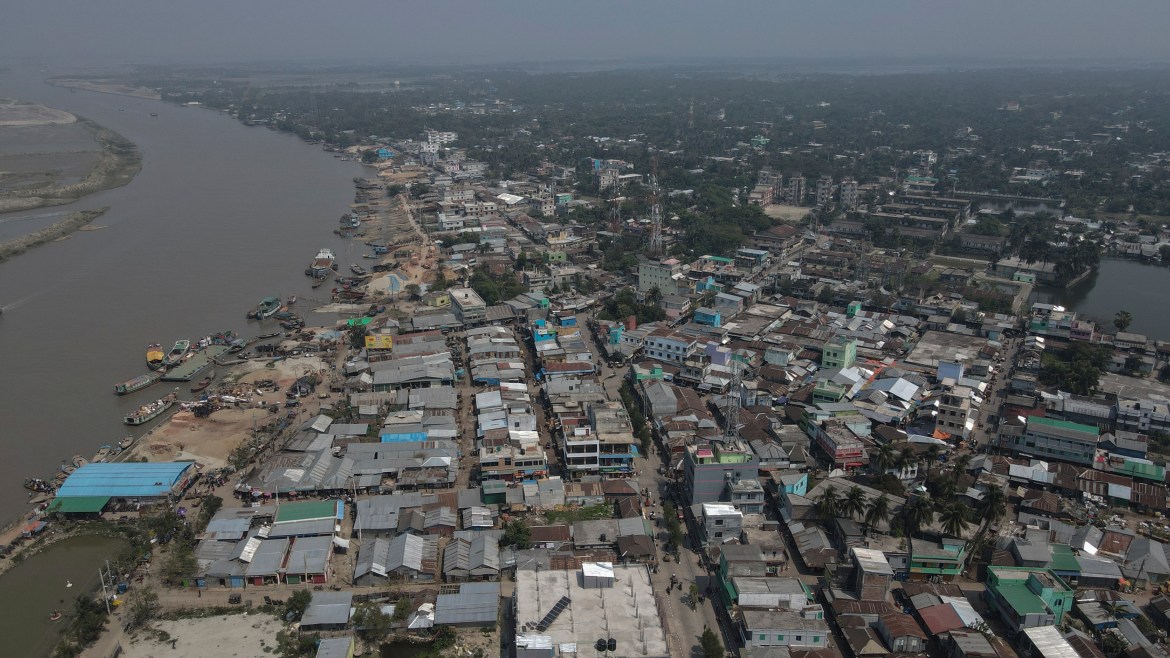
Coastal Mongla town, once vulnerable to floods and river erosion, is now more resilient with improved infrastructure against high tides.

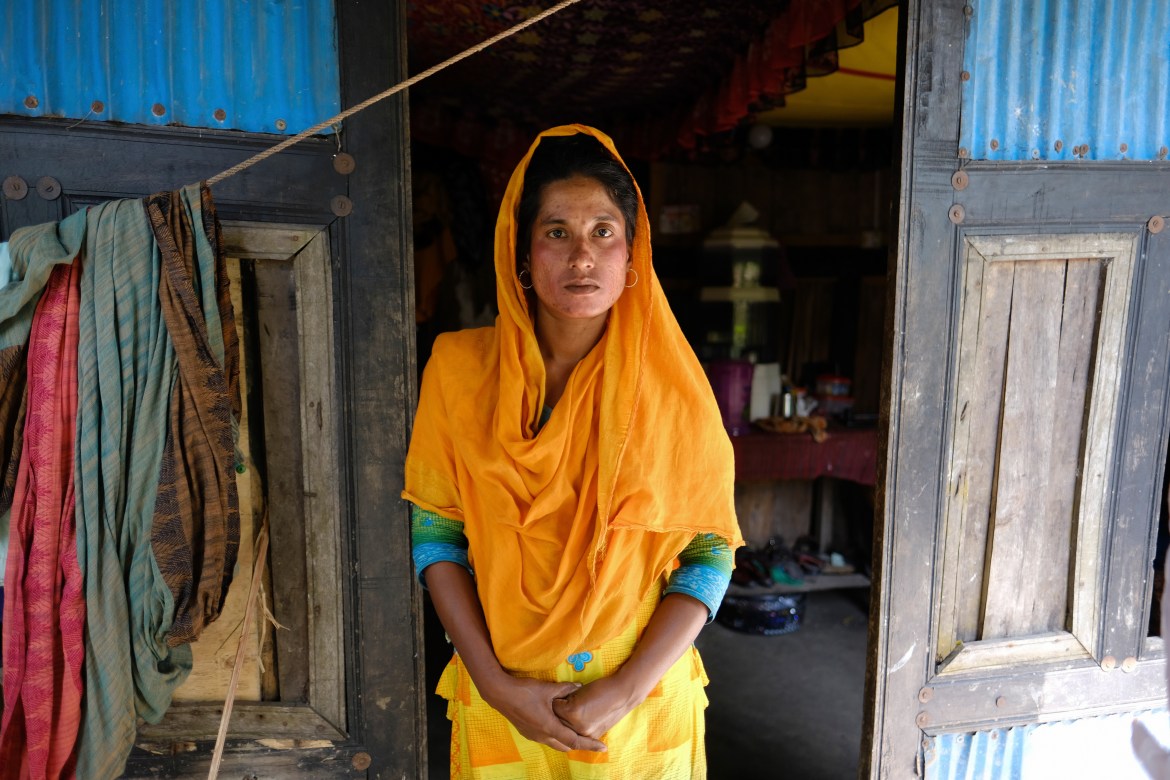
Monira Khatun was devastated after her husband suddenly abandoned her. She returned to her father only to face another blow: he died soon after, leaving her to shoulder three other family members’ care.

Without any work, the 29-year-old was worried about feeding them.

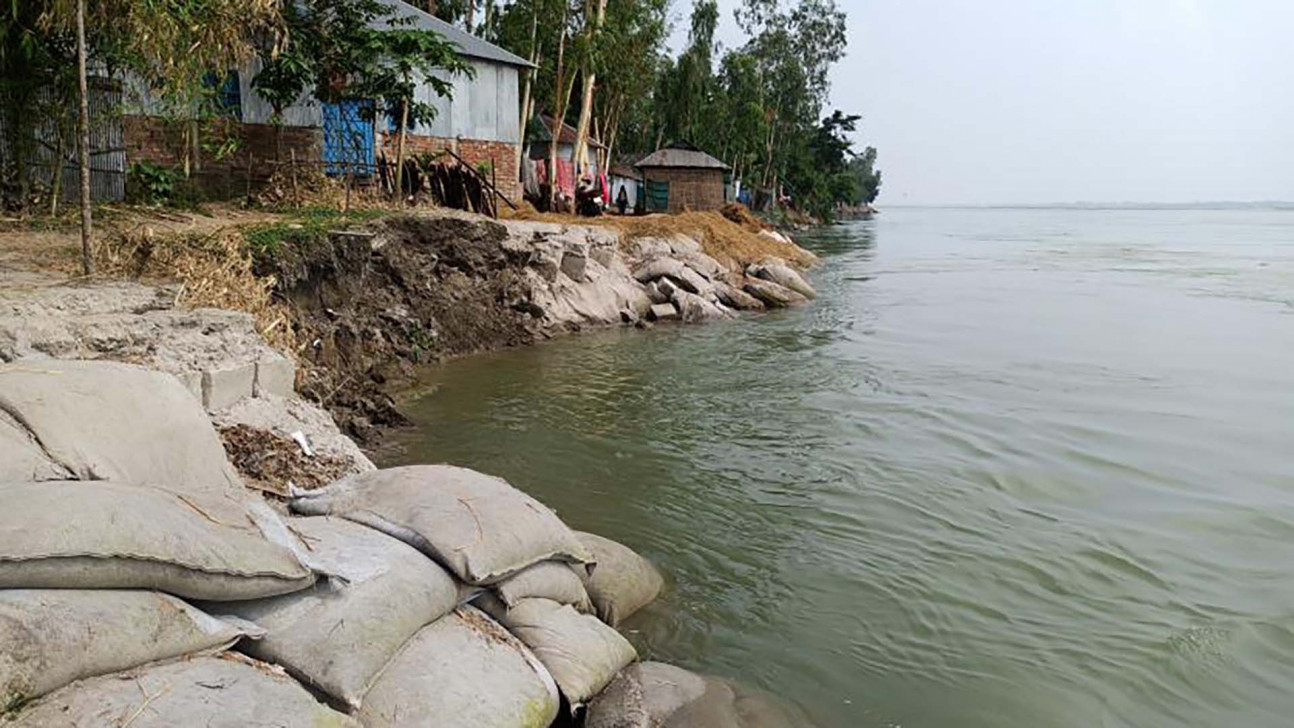
“I lost everything. There was darkness all around,” Khatun said. “My parents’ home was gone to the river for erosion, we had no land to cultivate.”

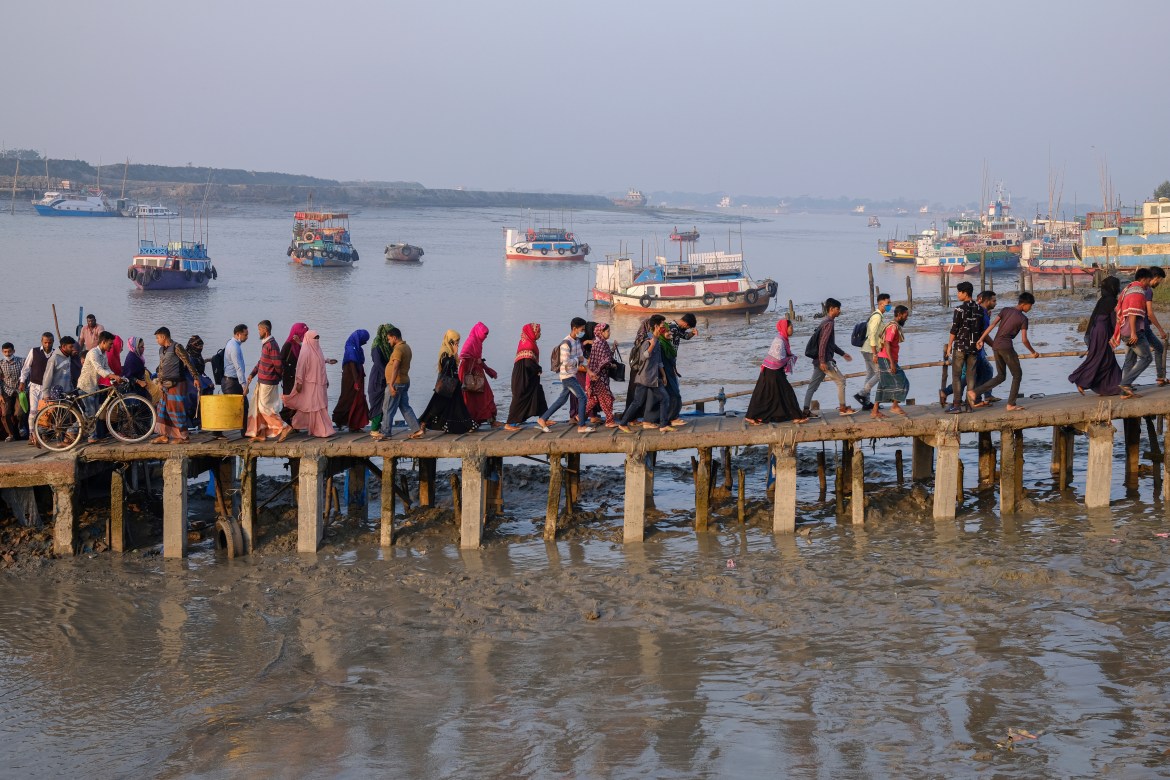
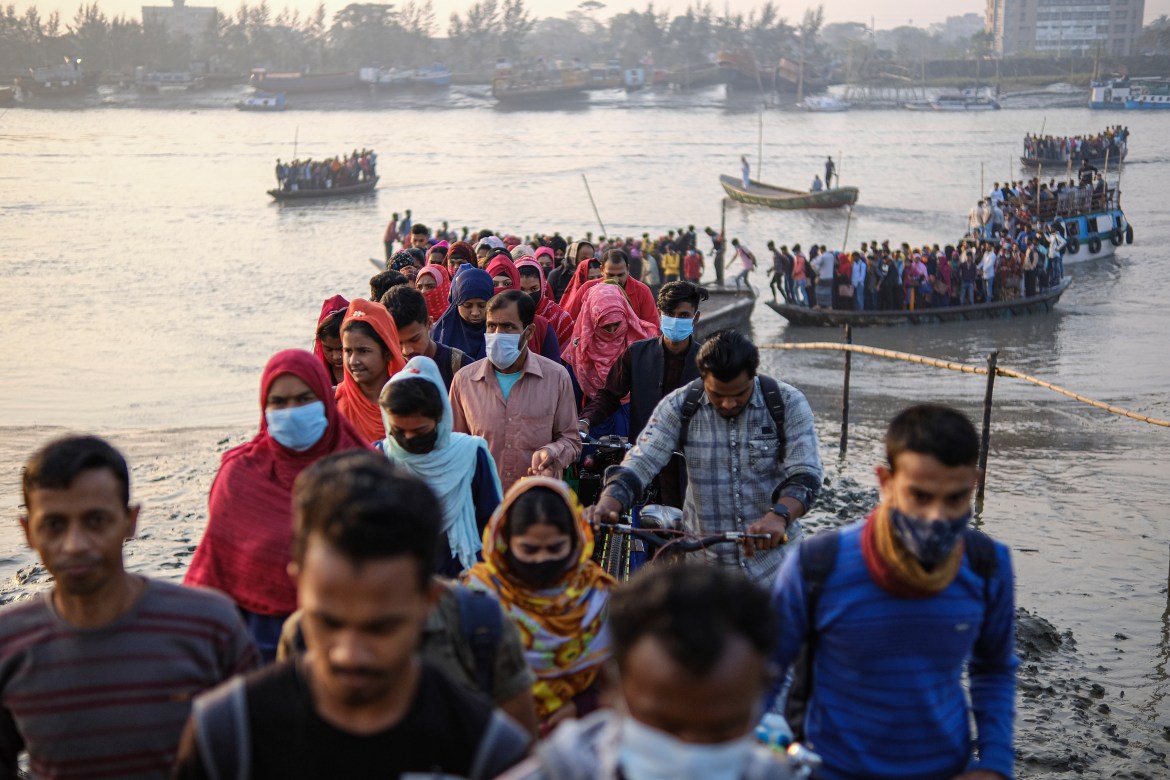
She ended up working at a factory in a special economic zone that employs thousands of climate refugees – like Khatun – in the southwestern town of Mongla, where Bangladesh’s second-largest seaport is located.

These refugees from climate-affected areas within Bangladesh lost their homes, land and livelihood, but found a new life in the riverside coastal town about 50km (30 miles) inland from the Bay of Bengal.

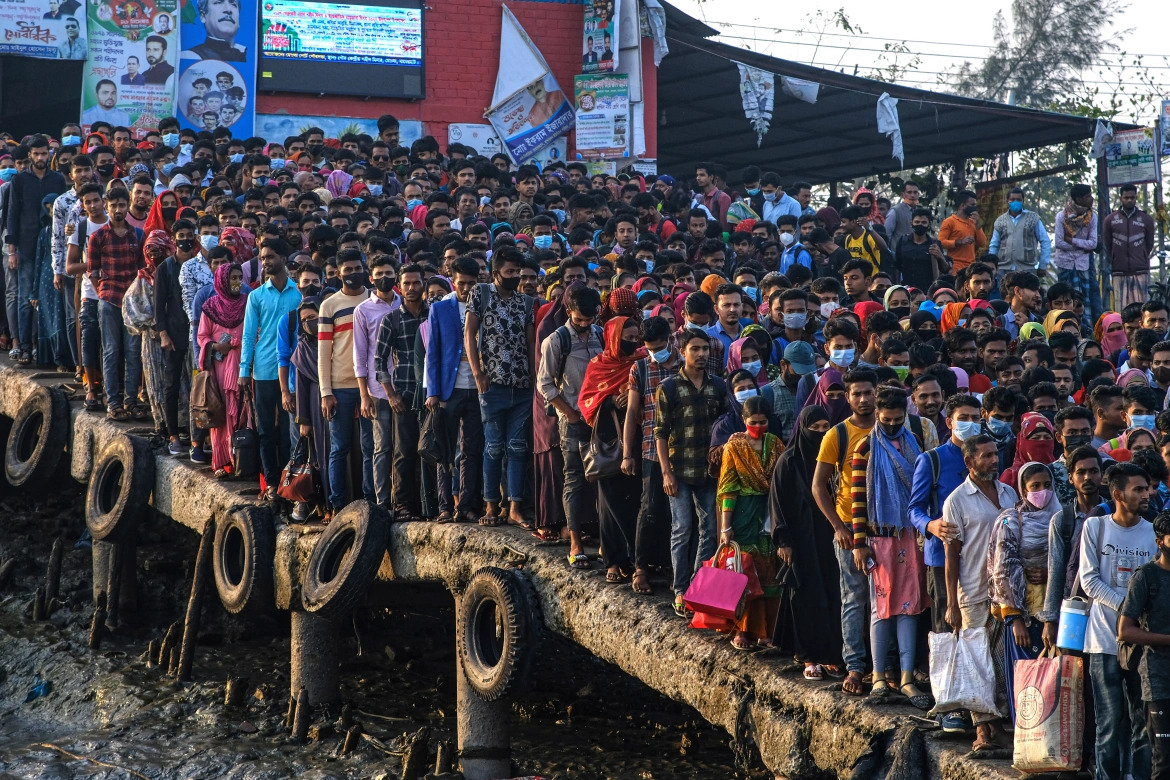
Some 150,000 people now live in Mongla – many of whom moved from villages near the Sundarbans forest, the world’s largest mangrove forest, which straddles the border of Bangladesh and India and harbours endangered Bengal tigers.

Being forced by climate change to move, within borders or beyond, is a growing reality expected to accelerate in the decades ahead.

More than 19 million people are expected to become internal climate refugees by 2050 in Bangladesh, according to the World Bank.

Over the next 30 years, 143 million people are likely to be uprooted by rising seas, drought, searing temperatures and other climate catastrophes, according to an Intergovernmental Panel on Climate Change report published last month by the United Nations.

Leaders in Asia, already one of the hardest-hit continents, are scrambling to confront major changes taking place.

Climate scientists such as Saleemul Huq, director of the Dhaka-based International Centre for Climate Change and Development, are branding Mongla as a climate-resilient town for the refugees.

“When it comes to adaptation, Mongla is a success story. Changes are coming there as an example of how climate refugees could transform their life through new opportunities, through a new approach of adaptation,” said Huq.

“Now, we expect to replicate the Mongla model to at least two dozen other coastal towns across Bangladesh as safe homes for climate refugees.”

Nazma Binte Alamgir, a spokeswoman for the government regulator Bangladesh Export Processing Zones Authority, said about 10 more factories are in the pipeline to start production soon in Mongla, adding thousands of jobs.

“This is good news for the people who are suffering in the region. They will have a chance to survive in a different way,” she said.

To become resilient, Mongla raised an 11-kilometre (7-mile) embankment along a newly built marine drive designed to stop flooding, two flood-control gates, a better drainage system, a water reservoir and a water treatment plant, said Mongla’s mayor Sheikh Abdur Rahman.

“There were only about 2,600 workers in the Mongla EPZ [Export Processing Zone] in 2018, but now there are about 9,000 workers employed in different factories,” he said. “The changes are visible.”

Reshma Begum, 28, is one of them.

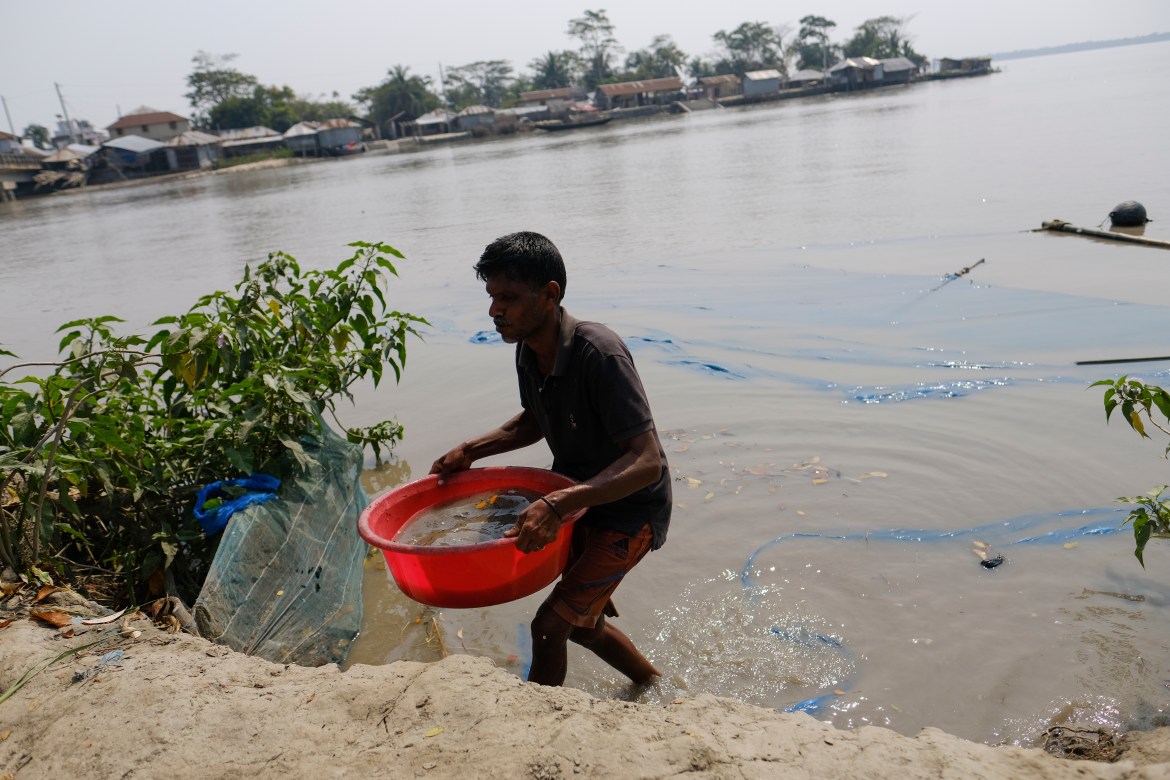
Begum used to catch fish in the river that swallowed her home, making her three-member family homeless. Now she lives temporarily on another man’s land and works at a factory in the EPZ.

“Now I earn a good amount of money each month to support my family,” she said, adding that her husband is a day labourer and contributes to the family’s income.

“Maybe we will build a new house in the future by saving some money,” she said.


Read More....

Previous Post

Five tips that make it easier to learn Danish

Next Post

The Orient Hotel Jakarta: A rustic weekend escape wrapped in luxury

Comments