Home Upload Photo Upload Videos Write a Blog Analytics Messaging Streaming Create Adverts Creators Program
Bebuzee Afghanistan Bebuzee Albania Bebuzee Algeria Bebuzee Andorra Bebuzee Angola Bebuzee Antigua and Barbuda Bebuzee Argentina Bebuzee Armenia Bebuzee Australia Bebuzee Austria Bebuzee Azerbaijan Bebuzee Bahamas Bebuzee Bahrain Bebuzee Bangladesh Bebuzee Barbados Bebuzee Belarus Bebuzee Belgium Bebuzee Belize Bebuzee Benin Bebuzee Bhutan Bebuzee Bolivia Bebuzee Bosnia and Herzegovina Bebuzee Botswana Bebuzee Brazil Bebuzee Brunei Bebuzee Bulgaria Bebuzee Burkina Faso Bebuzee Burundi Bebuzee Cabo Verde Bebuzee Cambodia Bebuzee Cameroon Bebuzee Canada Bebuzee Central African Republic Bebuzee Chad Bebuzee Chile Bebuzee China Bebuzee Colombia Bebuzee Comoros Bebuzee Costa Rica Bebuzee Côte d'Ivoire Bebuzee Croatia Bebuzee Cuba Bebuzee Cyprus Bebuzee Czech Republic Bebuzee Democratic Republic of the Congo Bebuzee Denmark Bebuzee Djibouti Bebuzee Dominica Bebuzee Dominican Republic Bebuzee Ecuador Bebuzee Egypt Bebuzee El Salvador Bebuzee Equatorial Guinea Bebuzee Eritrea Bebuzee Estonia Bebuzee Eswatini Bebuzee Ethiopia Bebuzee Fiji Bebuzee Finland Bebuzee France Bebuzee Gabon Bebuzee Gambia Bebuzee Georgia Bebuzee Germany Bebuzee Ghana Bebuzee Greece Bebuzee Grenada Bebuzee Guatemala Bebuzee Guinea Bebuzee Guinea-Bissau Bebuzee Guyana Bebuzee Haiti Bebuzee Honduras Bebuzee Hong Kong Bebuzee Hungary Bebuzee Iceland Bebuzee India Bebuzee Indonesia Bebuzee Iran Bebuzee Iraq Bebuzee Ireland Bebuzee Israel Bebuzee Italy Bebuzee Jamaica Bebuzee Japan Bebuzee Jordan Bebuzee Kazakhstan Bebuzee Kenya Bebuzee Kiribati Bebuzee Kuwait Bebuzee Kyrgyzstan Bebuzee Laos Bebuzee Latvia Bebuzee Lebanon Bebuzee Lesotho Bebuzee Liberia Bebuzee Libya Bebuzee Liechtenstein Bebuzee Lithuania Bebuzee Luxembourg Bebuzee Madagascar Bebuzee Malawi Bebuzee Malaysia Bebuzee Maldives Bebuzee Mali Bebuzee Malta Bebuzee Marshall Islands Bebuzee Mauritania Bebuzee Mauritius Bebuzee Mexico Bebuzee Micronesia Bebuzee Moldova Bebuzee Monaco Bebuzee Mongolia Bebuzee Montenegro Bebuzee Morocco Bebuzee Mozambique Bebuzee Myanmar Bebuzee Namibia Bebuzee Nauru Bebuzee Nepal Bebuzee Netherlands Bebuzee New Zealand Bebuzee Nicaragua Bebuzee Niger Bebuzee Nigeria Bebuzee North Korea Bebuzee North Macedonia Bebuzee Norway Bebuzee Oman Bebuzee Pakistan Bebuzee Palau Bebuzee Panama Bebuzee Papua New Guinea Bebuzee Paraguay Bebuzee Peru Bebuzee Philippines Bebuzee Poland Bebuzee Portugal Bebuzee Qatar Bebuzee Republic of the Congo Bebuzee Romania Bebuzee Russia Bebuzee Rwanda Bebuzee Saint Kitts and Nevis Bebuzee Saint Lucia Bebuzee Saint Vincent and the Grenadines Bebuzee Samoa Bebuzee San Marino Bebuzee São Tomé and Príncipe Bebuzee Saudi Arabia Bebuzee Senegal Bebuzee Serbia Bebuzee Seychelles Bebuzee Sierra Leone Bebuzee Singapore Bebuzee Slovakia Bebuzee Slovenia Bebuzee Solomon Islands Bebuzee Somalia Bebuzee South Africa Bebuzee South Korea Bebuzee South Sudan Bebuzee Spain Bebuzee Sri Lanka Bebuzee Sudan Bebuzee Suriname Bebuzee Sweden Bebuzee Switzerland Bebuzee Syria Bebuzee Taiwan Bebuzee Tajikistan Bebuzee Tanzania Bebuzee Thailand Bebuzee Timor-Leste Bebuzee Togo Bebuzee Tonga Bebuzee Trinidad and Tobago Bebuzee Tunisia Bebuzee Turkey Bebuzee Turkmenistan Bebuzee Tuvalu Bebuzee Uganda Bebuzee Ukraine Bebuzee United Arab Emirates Bebuzee United Kingdom Bebuzee Uruguay Bebuzee Uzbekistan Bebuzee Vanuatu Bebuzee Venezuela Bebuzee Vietnam Bebuzee World Wide Bebuzee Yemen Bebuzee Zambia Bebuzee Zimbabwe
Blog Image

The Basics of Color Gels in Photography

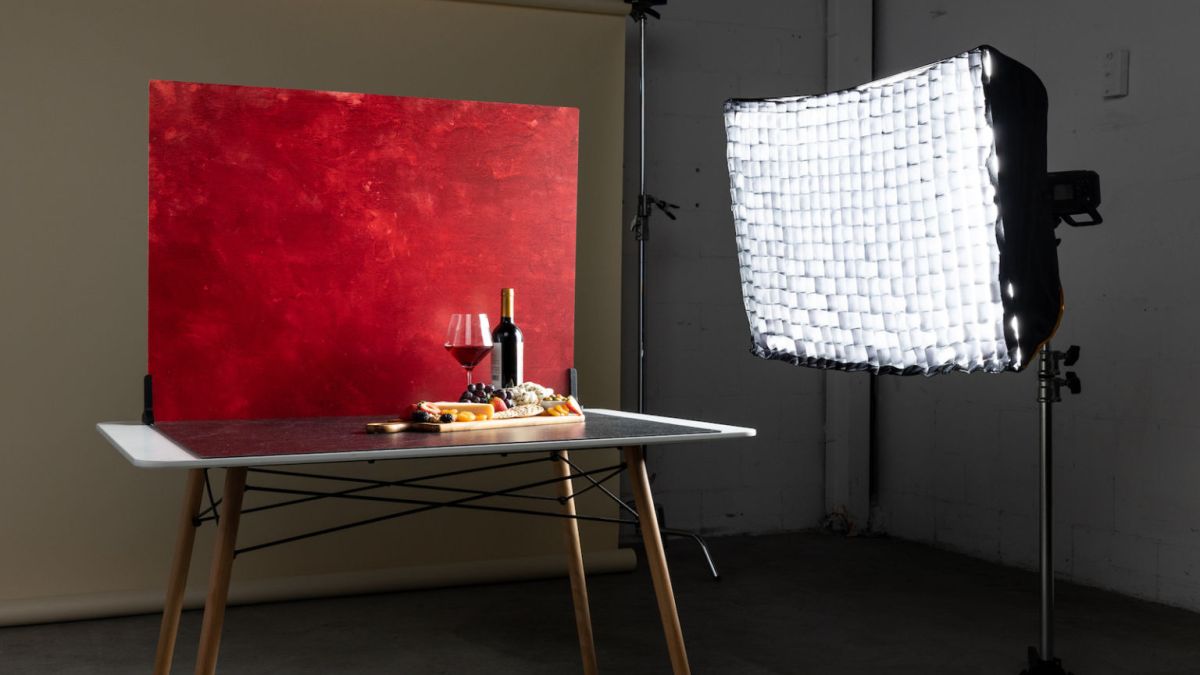
The use of strong and complementary colors is an ever-growing trend in photography. Many modern advertising campaigns feature bold and contrasting colors in order to draw your focus to the product or message they are trying to sell. One way to create such vibrant color in your own images is by using colored gels (also known as color filters, filter gels, lighting gels, or simply gels).

Learning to work with gels can help make your work stand out among the crowd and deliver eye-catching results. In this article, we will look into how to use color gels to add a creative flair to your lighting, opening up a world of possibilities for your photo sessions.


What Are Color Gels?

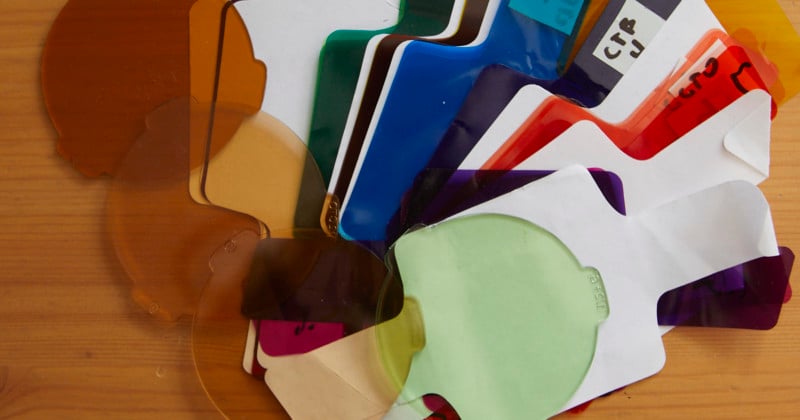
Color gels are essentially pieces of thin semi-transparent plastic (generally polycarbonate, polyester, or some other heat-resistant type) that change the color of your light.

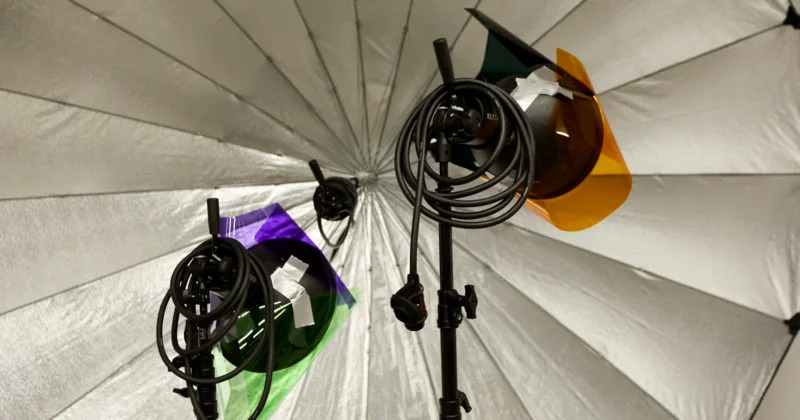
There are two types of gels used in photography: creative color effects gels and color correction gels. The first ones will be used primarily for creating various color casts that have nothing to do with light source temperature. For example, if a red gel is placed in front of a light, it will make it red. A yellow gel will make it yellow, and a blue one blue. Those are different from light temperature and tint adjustment gels, which are used to balance light sources with the ambient lights around you.

Temperature Correction Gels

Temperature adjustment gels will make a light source “cooler” or “warmer” depending on what is used. For instance, a CTO (color temperature orange) will make a light warmer, whereas a CTB (color temperature blue) will make it colder. The CTO and CTB gels can be easily confused with orange and blue gels so it is important to understand that those gels are not the same, and will not give a similar effect at all. I remember once trying to recreate sunlight using a yellow gel, only to find out that this didn’t work at all.

A third rarely used gel, is the plus/minus green. It will make the light source have a green, or magenta tone. Essentially, there is a gel for each end of the “temperature adjustment” scale: CTO, CTB, minus green, plus green.
A word of caution: Before we go any further, you must be aware that gels can melt when placed on a hot light source. It is a good idea to purchase high-quality, heat-resistant gels made for cinema lights or avoid using modeling lamps unless they are LED lights with proper cooling.
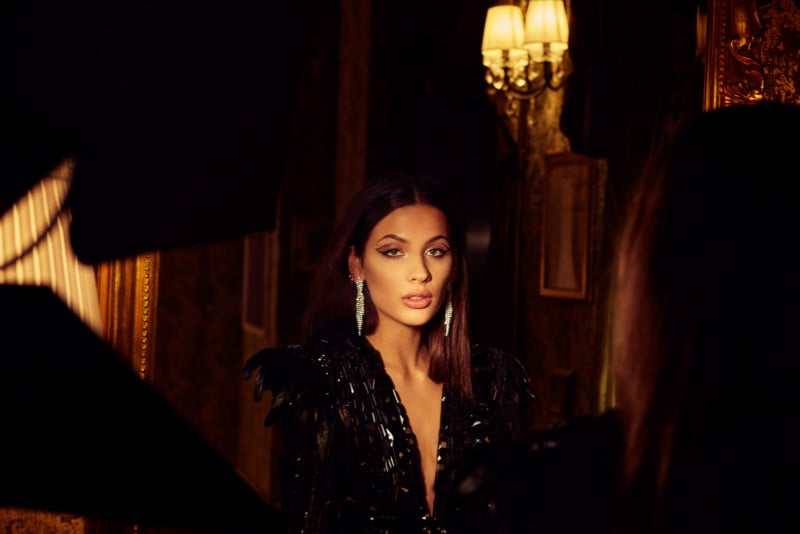
The Basic Rule of Color Gels

Let’s dive right into how to go about working with gels. Starting with the most basic rule of every gel: it reduces overall light output. Think of gels as obstacles that cut a portion of the light’s power. Some gels like Profoto and Expo Imaging might say how much light was cut by each gel. As such, a blue gel cuts four stops of light, while a yellow one only cuts half a stop of light. You may want to intuitively dial the power-up and use gels on the most powerful light you have. Read More...
Previous Post

It's Not a Drone: An Unusual Yet Effective Way to Film High Divers

Next Post

Creatively Simple Abstract Photos Made with Food

Comments