The Colombian Right's Resistance to a Progressive President
-
 Loading...
 - Elettra Barone
- 01 Aug 2024
- 49 Views
- 0 Like
- 0 Comment
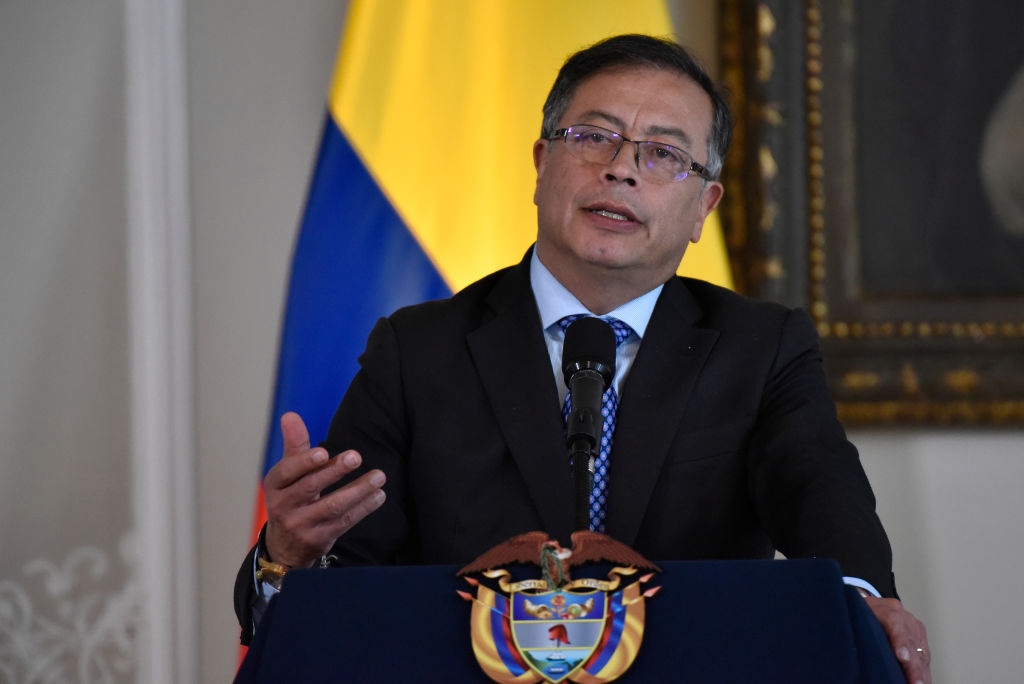
In a country known for its deep-seated polarization, Colombia's recent Copa América campaign brought a rare moment of national unity. However, this fleeting sense of togetherness has given way to a more familiar divide: the binary opposition between supporters and opponents of President Gustavo Petro.
A Call for Unity
Two years ago, Petro assumed the presidency, marking a historic milestone as the country's first left-wing president. He called on Colombians of all political stripes to support his government of change, which included cabinet ministers from various parties. However, the traditional elites soon discovered that Petro would not roll back on his plans to challenge long-standing patterns of inequality and fulfill the aims of the 2016 peace agreement.
Obstruction in Congress
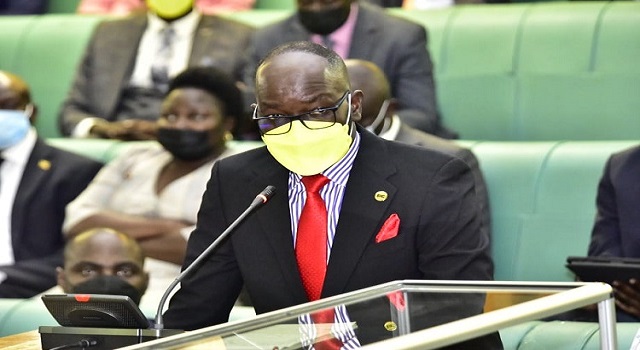
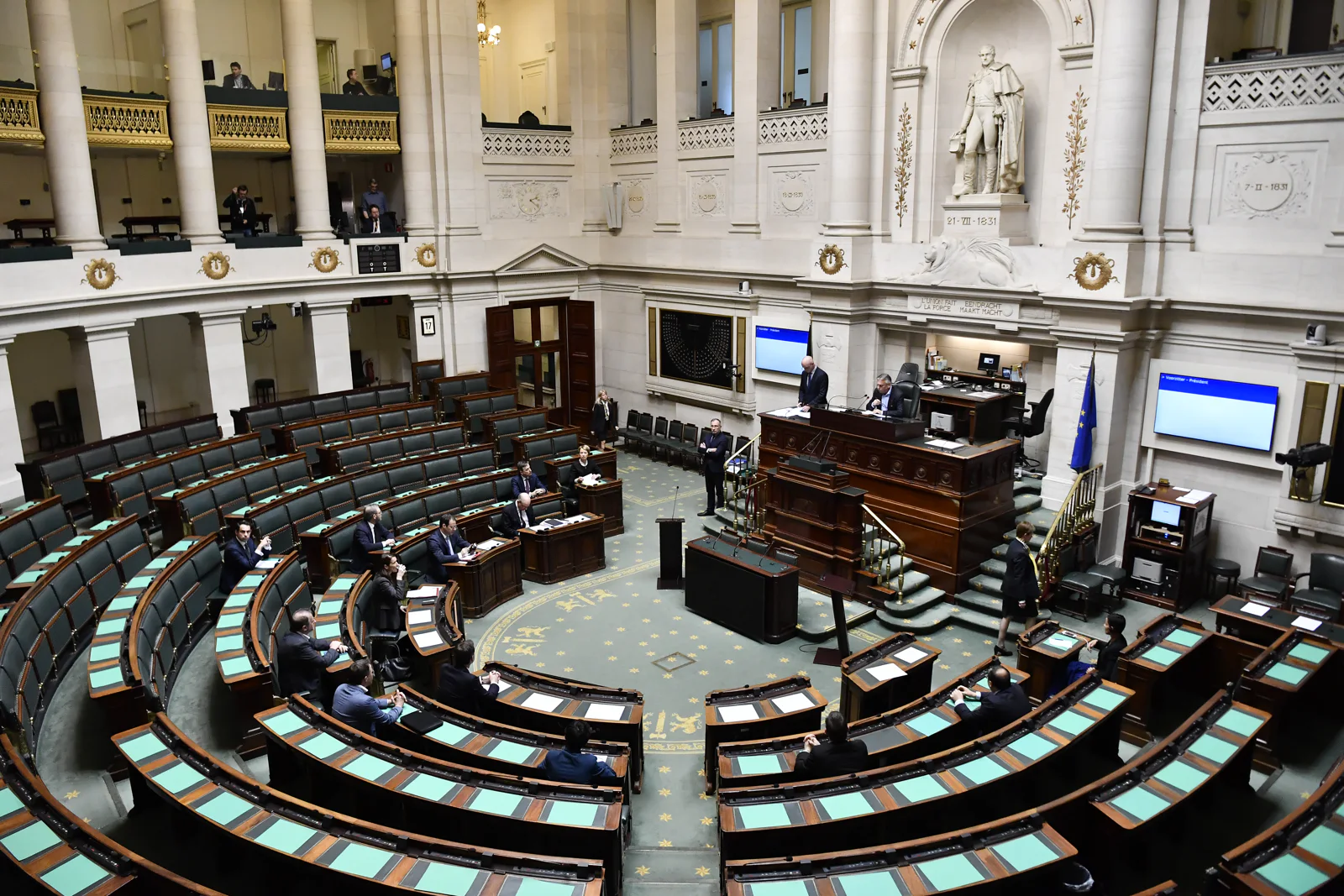
The split has been most pronounced in the Colombian congress, where Petro's Historic Pact party holds 17% of the vote and twenty seats, but lacks a majority. The parties traditionally affiliated with the country's elites have united with centrist factions to block many of the Petro administration's reforms.
Key Reforms
Two significant reforms have been blocked: labor rights and healthcare. The labor reform aims to modernize Colombia's legislation, strengthening workers' positions and gradually cutting the working day to forty-two hours. The healthcare reform seeks to change the existing neoliberal model, providing more state resources and expanding the public system.
Despite Opposition, Progress Made
Despite elite opposition, the Petro administration has passed significant reforms to the country's pension system and tax structures, empowering working-class people and vulnerable sectors. The government has also made significant changes to environmental governance, setting the stage for a gradual move away from fossil fuel extraction and drastically reducing deforestation in the Amazon.
An Unfinished Peace
Petro's administration has resumed implementation of the peace agreement with the former FARC guerrillas, which was nearly destroyed by his predecessor Iván Duque. The president has also sought to conduct successful peace talks with dissident factions of the FARC and the National Liberation Army (ELN).
Challenges Ahead
Despite good intentions, many rural areas remain immersed in a low-intensity conflict. The Petro administration has taken significant steps to create lasting peace, including negotiations with the ELN in Venezuela. However, the talks with dissident factions of the FARC and the Gulf Clan have proved more difficult.
Growing Opposition
The biggest obstacles to Petro's administration come from the halls of congress, an elite-controlled media, and corrupt public officials. The congressional obstacles have been intensified by media disinformation campaigns that give a disproportionate voice to far-right members of the opposition.
Corruption and External Pressures
Corruption scandals within the government have also posed a threat to Petro's popularity. Meanwhile, external pressures, such as a potential second Donald Trump presidency in the United States and a wider regional shift to the right, could severely hinder any moves to reform Colombia.
A Legacy of Change
Despite the challenges, Petro's presidency should be remembered as an attempt to give a voice to the most oppressed sectors of Colombian society. The next two years will show us how far those ambitions can be realized in practice and educate us about the potential for structural change in Colombia and Latin America as a whole.