Understanding Belgium’s Government Negotiations
-
 Loading...
 - Fenella Ackerley
- 31 Jan 2025
- 118 Views
- 0 Like
- 0 Comment
Belgium is on the verge of forming a new government, with negotiations among five political parties led by Bart De Wever of the New Flemish Alliance (N-VA) progressing. However, several unique issues could potentially derail these talks. Here’s a closer look at the negotiation process and the necessary support for a successful government formation.
The negotiations involve a small group of key figures: the leaders of the five parties and a few senior politicians or advisors. While reaching a deal is crucial, it is only the first step. Once a consensus is achieved on the government’s program, each party must ratify the agreement through separate congresses, where the party leader will advocate for the compromise.
Simple Majority Requirement
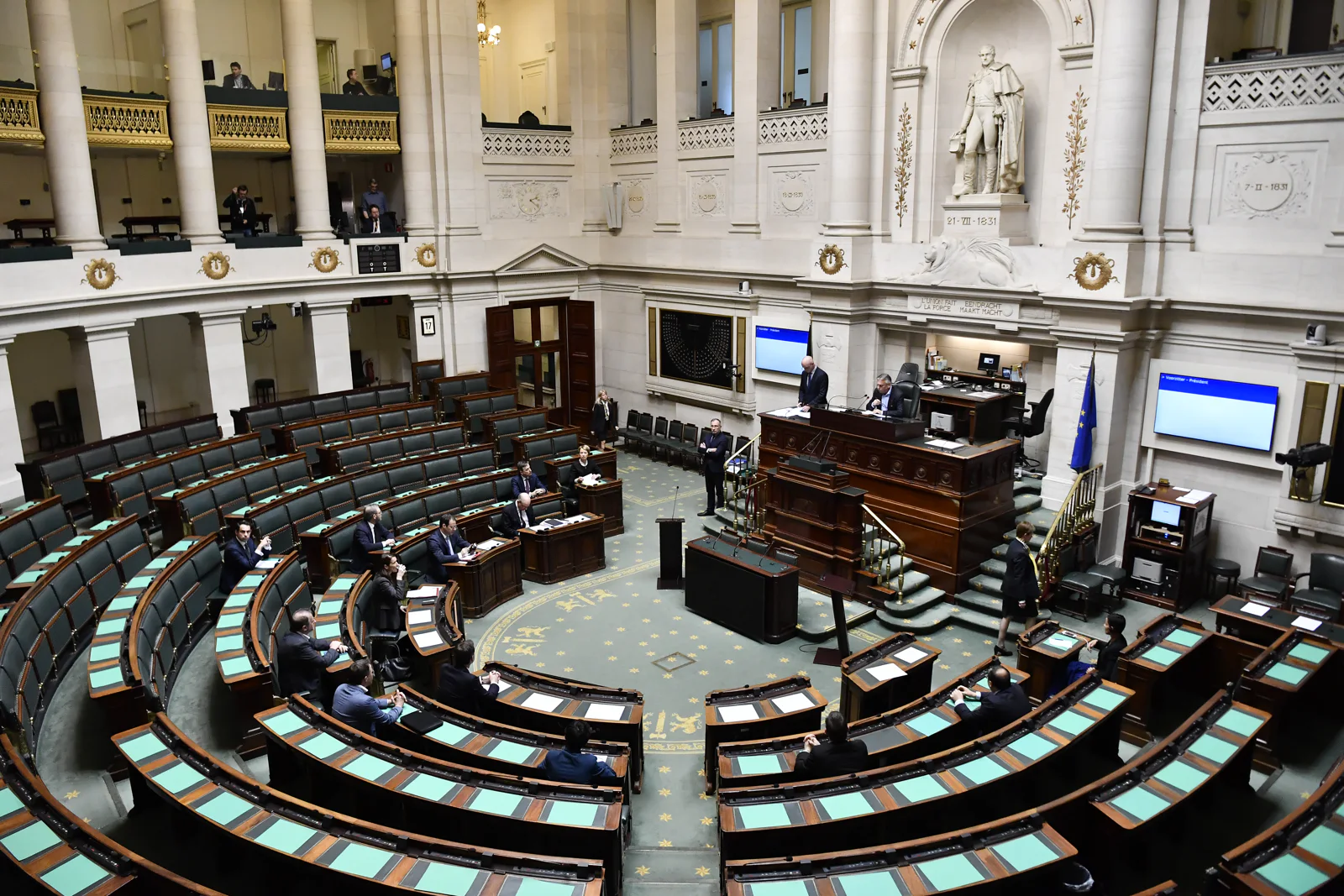
Following the approval of the program, the next phase involves appointing ministers—seven from the Flemish parties and seven from the Francophone parties, along with the prime minister, De Wever, and a few state secretaries or junior ministers. This newly formed team will then seek the confidence of the parliament. In Belgium, this is largely a formality due to strong party discipline; all MPs from the five parties are expected to support the government, allowing it to secure a simple majority.
However, the government’s journey does not end there. It must obtain formal approval for its primary objectives, which include reducing the budget deficit, managing sovereign debt, and implementing reforms in the economy and labor market.
EU and Financial Market Approvals
A critical aspect of this process is the need for formal approval from EU institutions. Belgium must demonstrate that it is taking adequate measures to address significant economic challenges in accordance with EU regulations. The scrutiny from these institutions will determine how effectively Belgium is addressing its fiscal responsibilities.
In addition to formal EU approval, the government also requires informal backing from financial markets. With Belgium’s sovereign debt exceeding 100% of its GDP, investors need assurance that the country can meet its financial obligations. While a "Greek scenario"—a severe financial crisis—is not currently anticipated, rising interest rates on sovereign debt pose a genuine risk.
As Belgium moves closer to establishing a new government, the negotiation process highlights the intricate balance of political support and economic responsibility. The successful formation of a government will depend not only on internal party agreements but also on external validations from the EU and financial markets. The coming weeks will be crucial in determining whether Belgium can navigate these challenges and secure a stable government capable of addressing its pressing economic issues.