The Complexity of Mastering Portuguese Cuisine
-
 Loading...
 - Alira Evans
- 03 Mar 2025
- 45 Views
- 0 Like
- 0 Comment
Portuguese cuisine is often regarded as one of the most difficult culinary traditions to master in the world, and this complexity arises from a variety of factors.
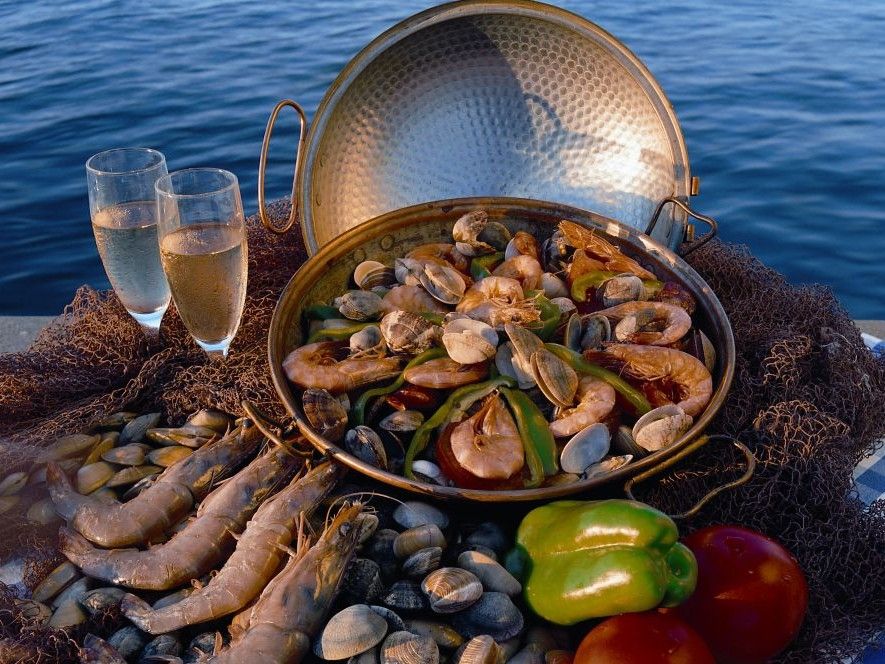
One of the primary challenges is the diversity of ingredients used across the country. Each region boasts its own specialties, from the fresh seafood of the coastal areas to the hearty meats and vegetables found inland. Chefs must have a deep understanding of seasonal produce and the quality of local ingredients to create authentic dishes.
Additionally, the techniques involved in Portuguese cooking can be intricate. Mastery of traditional methods such as slow-cooking, grilling, and baking is essential for achieving the rich flavors characteristic of the cuisine. Balancing flavors is another critical aspect, as many dishes require a careful mix of spices, herbs, and sauces to create the desired taste.
Cultural influences also play a significant role in the complexity of Portuguese cuisine. The historical context, shaped by various cultures including Moorish, African, and Brazilian, adds layers of depth to the culinary landscape. As the cuisine evolves, modern interpretations of traditional dishes require chefs to innovate while respecting their roots.
Finally, the growing recognition of Portuguese cuisine on the international stage has heightened the standards for culinary excellence. Chefs are increasingly motivated to refine their skills and showcase the best of their culinary heritage, making mastery of Portuguese cuisine both a challenging and rewarding pursuit.