The conservation photographer capturing mesmerizing images of Mexico's flamingos.
-
 Loading...
 - Emma Endris
- 04 Jul 2022
- 108 Views
- 0 Like
- 0 Comment
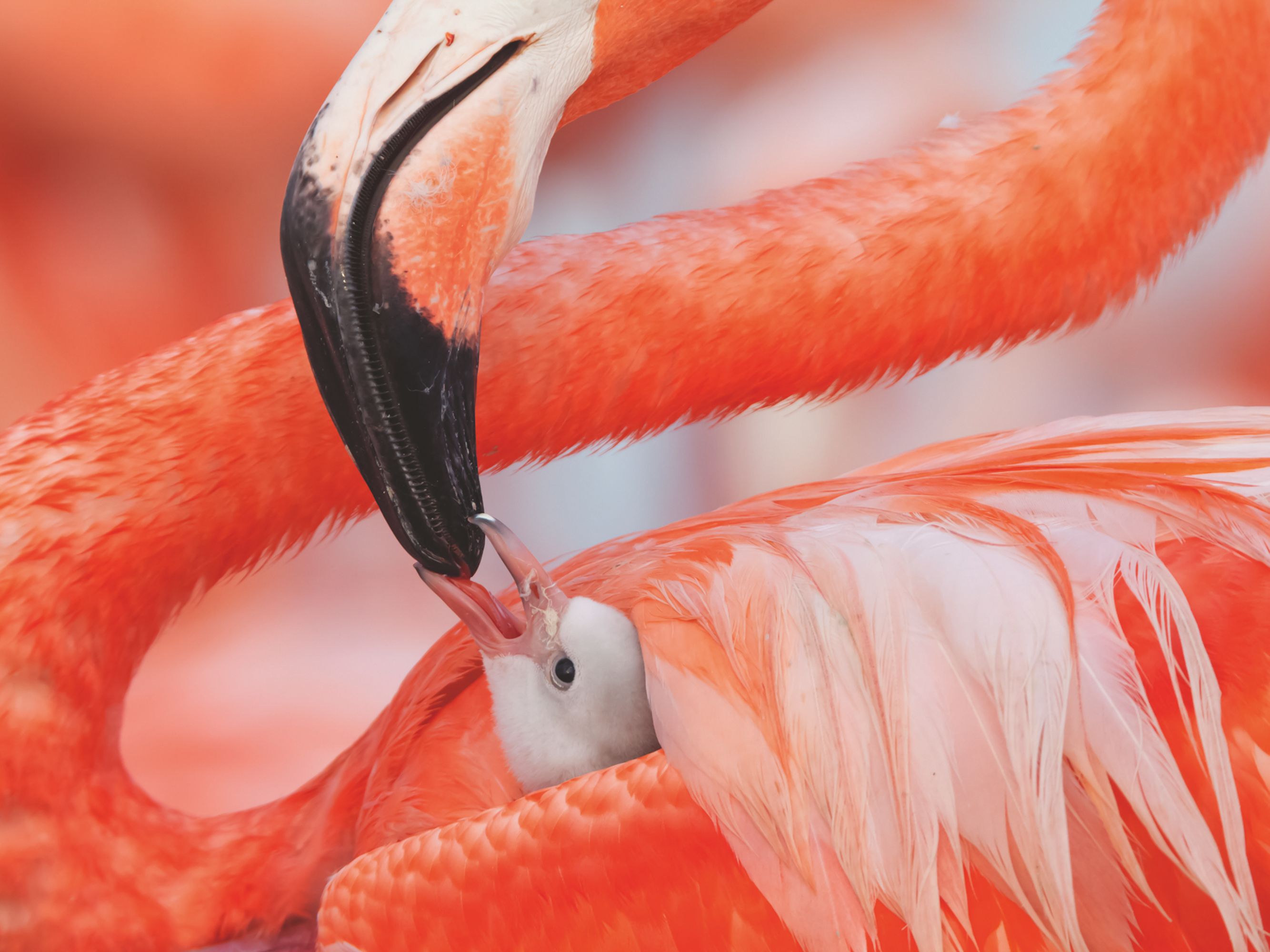
Since he was four years old, photographer Claudio Contreras Koob has been obsessed with flamingos: their vibrant pink feathers, horn-like curved beaks, and elegant, poised necks.
Since he was four years old, photographer Claudio Contreras Koob has been obsessed with flamingos: their vibrant pink feathers, horn-like curved beaks, and elegant, poised necks.
Born and raised in Mexico City, Koob visited the Yucatán Peninsula every year during school holidays. His father built a house on sand dunes in the port village of Chuburná, between the sea and wetlands, and together they watched flamingo colonies gather in the lagoons and muddy swamps that stretched for miles behind the house.
"It was a very beautiful sight when we were able to spot a pink-orange mass of birds in the distance," says Koob. "That stayed in my memory."
The Caribbean flamingo is "emblematic" of the Yucatán Peninsula, where his father is from, says Koob, appearing on beach towels, pool inflatables, garden furniture, and even on packaging for pink salt. But despite its popularity, in Yucatán and beyond, little is known about its movements and biology, he says.

Now, decades after his first sightings of this "iconic bird," Koob is sharing his passion in a new photography book, "Flamingo," published last month.
Koob hopes his intimate portraits of the bird will help others to "fall in love with flamingos" and inspire them to care about the wetlands where they live.
From lab to lens
Koob's childhood fascination with nature led him to study wildlife biology at the National Autonomous University of Mexico, where he took a course in microphotography and discovered "what the language of photography could do," he says.
Combining his passions, Koob focused on conservation photography when he left university. He joined the International League of Conservation Photographers which in 2009, asked him to capture the tagging of flamingo chicks in Yucatán.
With the support of Mexico's Flamingo Conservation Program, run by Fundación Pedro y Elena Hernández since 2015, Koob spent several years collecting the images that make up his book. He says the biggest challenge was getting close to breeding birds.
"If you disturb one, they start screaming and flying away, and you can cause a panic. They could leave all the eggs, and abandon the colony," says Koob.

Koob says his "slow approach" to photography enabled him to gather intimate images of the flamingos. He often wore camouflage, army crawling across muddy ground to get close to the birds without scaring them.
On some occasions, he took a boat into the lagoons before dawn so the birds would be accustomed to his presence by sunrise, and stayed until after nightfall. "That is tough, with the sun and 40 degrees (heat)," says Koob. "It's very consuming for the body."
Pretty in pink
Unlike humans, flamingos are well adapted for their extreme environment.
Gathering in groups known as a flamboyance, flamingos typically live in brackish water, but some inhabit alkaline "soda lakes" filled with water so high in sodium carbonate it would irritate or burn the skin of most animals. Read More...