DNG File: What a .dng Image Is and How to Open It
-
 Loading...
 - Murielle Garga
- 31 Aug 2022
- 73 Views
- 0 Like
- 0 Comment
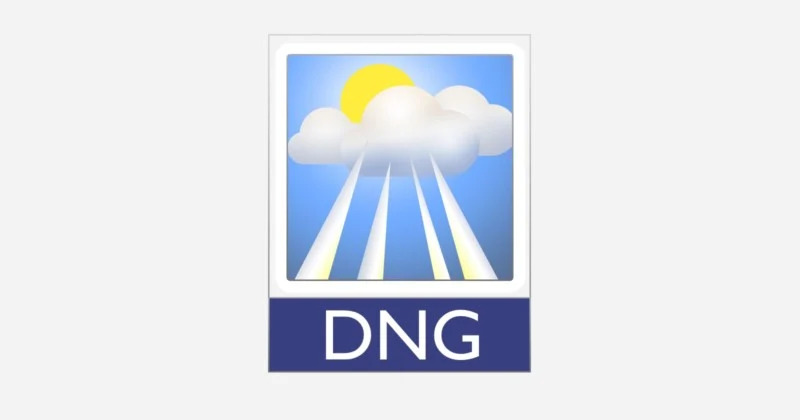
A DNG file is a high-quality image format that is quite common even though it’s a relative newcomer compared to some file types such as the TIFF format, which is decades older (2004 vs 1986, respectively).
A large number of apps and most operating systems support DNG files, and some camera manufacturers allow saving photographs in DNG format directly from the camera. If not, it’s relatively easy to convert photos to that format afterward. For anyone unfamiliar with this format, these questions remain: What is a DNG file, and how to open it?
Table of Contents
What is a DNG file?
How to Open a DNG File
Who Created the DNG Format and Why?
Is DNG a Lossless Photo Format?
Are There Any Downsides When Using DNG?
Alternatives to DNG: JPEG, HEIC, TIFF, and RAW
Which Camera Brands Can Capture in DNG Format?
What is a DNG file?
DNG is the short name for a Digital Negative, an image format that Adobe created in 2004. It’s what is known as a RAW image, although in many cases, it isn’t captured directly by the camera, meaning it isn’t the native RAW format for most cameras. Canon uses CR3 and Nikon has NEF, and each of these formats perfectly represents the data captured by their cameras. While many manufacturers have proprietary formats, there are several that save in DNG.
Something common among all RAW image files, including the DNG format, is a much higher picture fidelity than files saved in JPEG or HEIC format. Those compressed image types are specifically designed to save storage space while accepting a bit of image degradation. DNG’s primary focus is to store a high-quality file that matches the original picture as taken by the camera. The difference between DNG and JPEG or HEIC isn’t always noticeable when looking at the stored image but often becomes apparent after applying edits or zooming in to see the finer details. Read More...