The Difference Between Social Media Impressions and Social Media Reach
-
 Loading...
 - Stella Grant
- 30 Jul 2024
- 48 Views
- 0 Like
- 0 Comment
social media has become a crucial component of any successful campaign. As businesses strive to reach their target audience, two crucial metrics often come into play: social media impressions and social media reach. While they may seem similar, these two metrics offer distinct insights into the performance and effectiveness of your social media efforts.
In this article, we'll dive deep into the differences between social media impressions and reach, explore their significance, and discuss how to leverage these metrics to optimize your social media strategy. By the end, you'll have a clearer understanding of which metric matters most for your business and how to use them to your advantage.
What are Social Media Impressions?
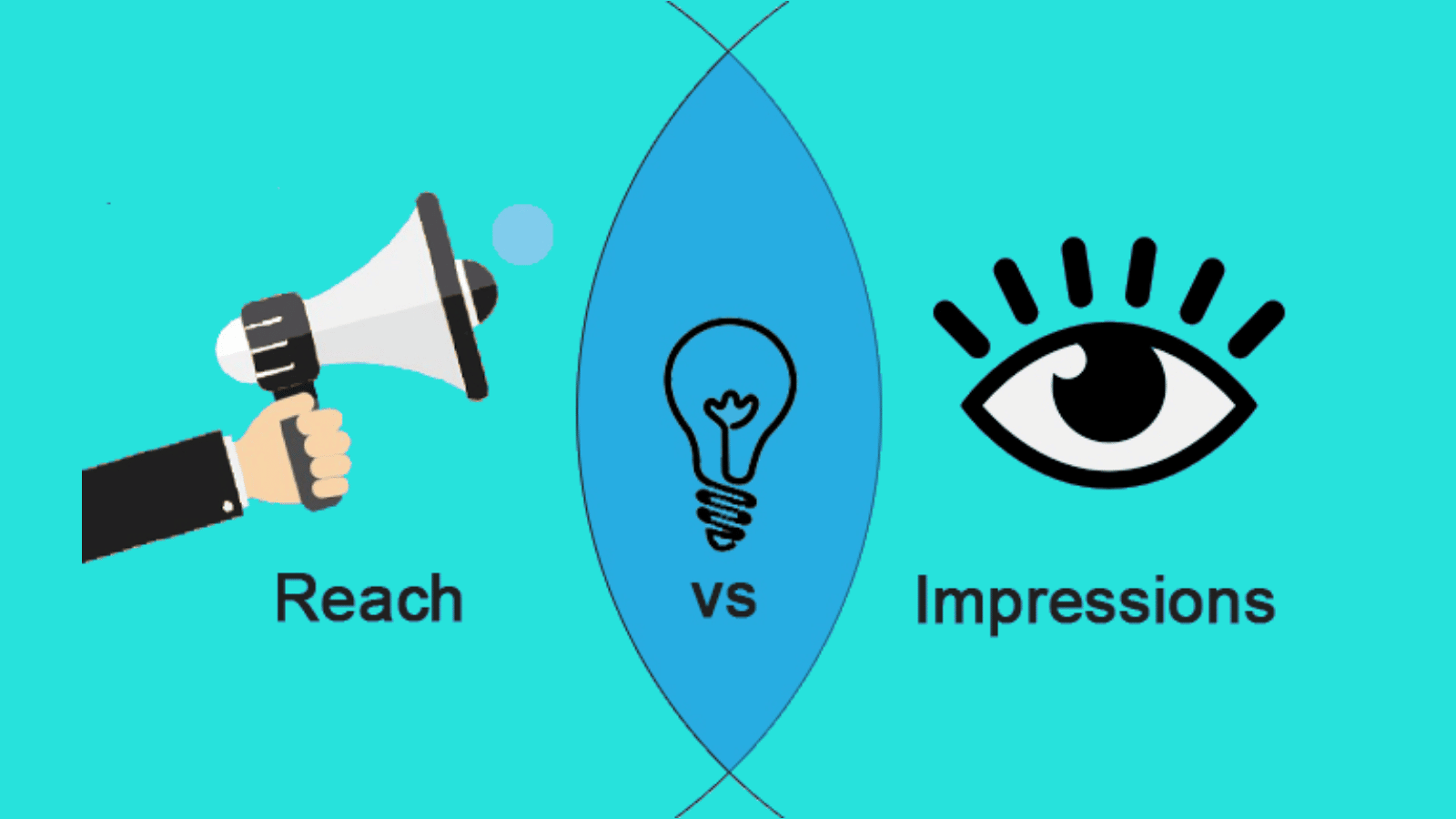
Social media impressions refer to the number of times your content is displayed to users on a social media platform. This includes any instance where your post, ad, or other content is seen by an individual, regardless of whether they engage with it or not.
Impressions are a crucial metric for businesses because they provide insights into the visibility and potential reach of your content. The more impressions your content receives, the more opportunities you have to capture the attention of your target audience and drive them towards desired actions, such as clicks, likes, shares, or conversions.
It's important to note that impressions don't necessarily equate to engagement or interaction. A user may scroll past your content without taking any action, but that still counts as an impression. Impressions are a valuable metric for understanding the overall exposure of your content, but they don't necessarily reflect the level of engagement or impact it has on your audience.
What is Social Media Reach?
Social media reach, on the other hand, refers to the number of unique users who have seen your content on a social media platform. This includes both organic (unpaid) and paid reach, as well as any instances where your content is shared or re-shared by other users.
Reach is a more meaningful metric than impressions because it provides insight into the actual number of people who have been exposed to your content. While impressions tell you how many times your content has been displayed, reach tells you how many unique individuals have seen it.
Reach is particularly important for businesses looking to expand their audience and increase brand awareness. By understanding your social media reach, you can gauge the effectiveness of your content in capturing the attention of your target audience and identify opportunities to improve your targeting and content strategy.
Comparing Impressions and Reach
Now that we've defined the two metrics, let's explore the key differences between social media impressions and reach:
Unique Users vs. Total Exposures: Impressions measure the total number of times your content has been displayed, while reach measures the number of unique users who have seen it. This means that a single user who sees your content multiple times would contribute to your impression count, but only count as one unique user in your reach.
Engagement and Impact: Reach provides a better indication of the actual impact and engagement your content is generating, as it reflects the number of unique individuals who have been exposed to it. Impressions, on the other hand, don't necessarily translate to engagement or action.
Organic vs. Paid Reach: Reach can be further divided into organic (unpaid) and paid reach. Organic reach refers to the number of users who have seen your content through natural, unpaid distribution on social media platforms, while paid reach refers to the number of users who have seen your content through paid advertising or boosted posts.
Platform-Specific Differences: The way impressions and reach are calculated can vary across different social media platforms. For example, on Twitter, an impression is counted when a tweet is displayed in a user's feed, while on LinkedIn, an impression is counted when a post is displayed in a user's timeline or search results.
Understanding the Importance of Impressions and Reach
Both social media impressions and reach are valuable metrics for businesses, but their importance and application can vary depending on your specific goals and objectives.
Impressions: Measuring Visibility and Potential Reach
Impressions are essential for understanding the overall visibility and potential reach of your social media content. They provide insights into:
Brand Awareness: Tracking impressions can help you gauge the level of exposure your brand is receiving on social media, which is crucial for building brand awareness and recognition.
Content Performance: Analyzing impression data can help you identify which types of content are resonating with your audience and which ones may need refinement.
Advertising Effectiveness: For paid social media campaigns, impressions can be used to measure the effectiveness of your ad targeting and optimization efforts.
Reach: Measuring Actual Impact and Engagement
Reach, on the other hand, is a more meaningful metric for understanding the actual impact and engagement your social media content is generating. It provides insights into:
Audience Growth: By monitoring your reach, you can track the growth and expansion of your social media audience over time.
Content Resonance: Reach data can help you identify the content that resonates most with your target audience and adjust your strategy accordingly.
Organic vs. Paid Performance: Analyzing the difference between organic and paid reach can help you optimize your social media marketing mix and allocate your resources more effectively.
Leveraging Impressions and Reach for Your Social Media Strategy
To effectively leverage social media impressions and reach, consider the following strategies:
Set Measurable Goals: Establish clear, measurable goals for both impressions and reach, based on your overall marketing objectives. This will help you track progress and identify areas for improvement.
Analyze Platform-Specific Metrics: Understand how impressions and reach are calculated on each social media platform you're using, and track these metrics accordingly.
Optimize Content and Targeting: Use insights from your impression and reach data to refine your content strategy, improve targeting, and enhance the overall performance of your social media campaigns.
Balance Impressions and Reach: While both metrics are important, focus on reach as the primary indicator of your social media impact. Use impressions to complement your reach data and gain a more comprehensive understanding of your performance.
Leverage Paid Advertising: Utilize paid social media advertising to boost both your impressions and reach, allowing you to expand your audience and increase the visibility of your content.
Conclusion
Understanding the difference between impressions and reach is crucial for businesses looking to optimize their marketing strategies. Impressions provide insights into the overall visibility of your content, while reach offers a more meaningful measure of the actual impact and engagement it generates.
By leveraging both metrics, you can gain a comprehensive understanding of your social media performance, identify areas for improvement, and make data-driven decisions to enhance your content, targeting, and overall marketing efforts. Remember, the key is to find the right balance between impressions and reach, and use these metrics to continuously refine and improve your social media strategy.