The ‘Evil Twin' of Global Warming: What is Ocean Acidification?
-
 Loading...
 - Ananya Agarwal
- 08 Aug 2022
- 75 Views
- 0 Like
- 0 Comment
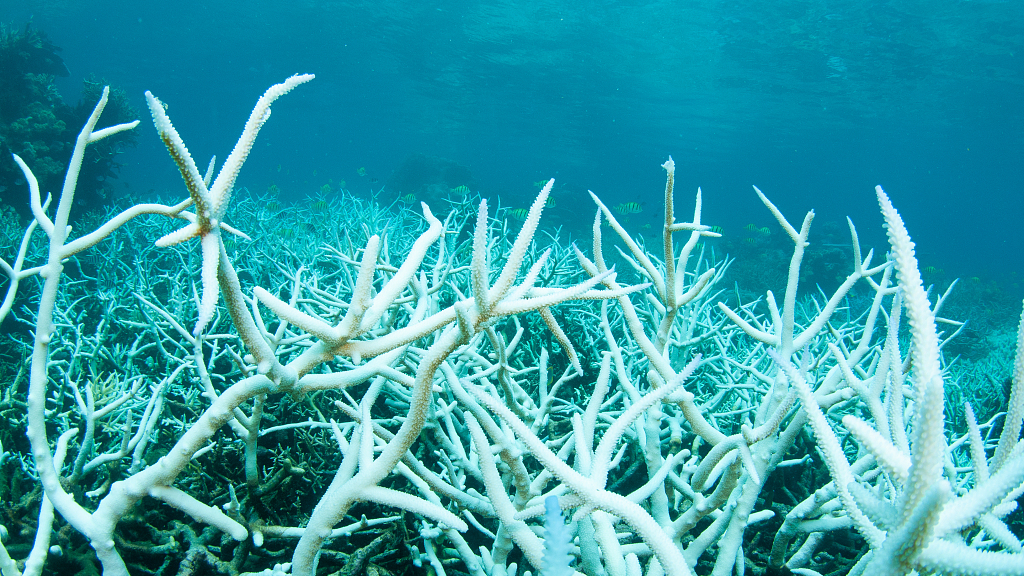
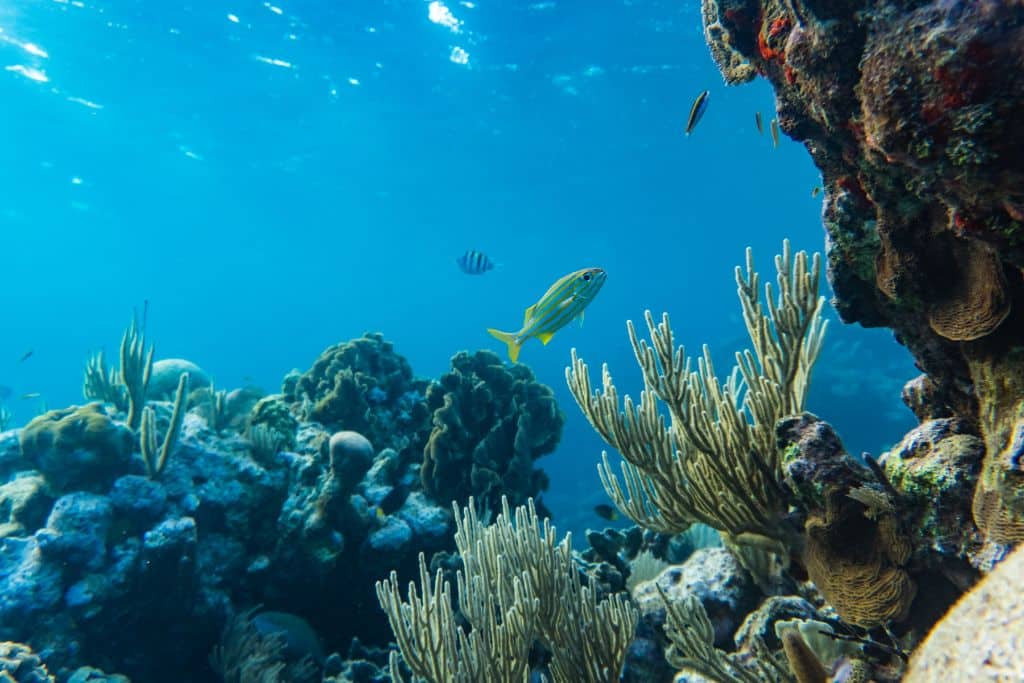
Ocean acidification is threatening marine ecosystems and it is the main cause of mass coral bleaching events. It is estimated that by 2100, this phenomenon could cost the global economy US$3 trillion a year, with huge repercussions on the fishing and tourism industries. Due to its devastating impacts on the planet, this is undoubtedly a paramount environmental issue that is worth addressing. What is it and what are the effects of ocean acidification on marine life, ecosystems, and human life?
What is Ocean Acidification?
Ocean acidification refers to a reduction in the pH of the ocean over an extended period of time. The pH unit is used to measure the water acidity on a scale of 0 to 14, with the lower value indicating a higher acidity. A continuous reduction in the pH thus reflects ongoing acidification of the ocean.
The acidity of ocean water is largely exacerbated by hydrogen ions (H+), a chemical proton. The higher the concentrations of hydrogen ions, the more acidic the water gets, meaning that its pH value descreases. Carbon dioxide (CO2) is essentially the main culprit of the acidification of the ocean, as it can be easily broken down into hydrogen ions. To put it simply, carbon dioxide can combine with water to create carbonic acid, which can then further break apart into hydrogen ions, making the water more acidic.
Depending on seasonal and regional factors, the pH value of ocean water will fluctuate naturally. For example, pH is generally lower in cold water as carbon dioxide dissolves well in colder temperatures. The polar regions are therefore found to be particularly prone to ocean acidification. For the same reason, the seawater in winter is usually more acidic. The pH value can also be lower in volcanic areas, where large amounts of carbon dioxide escape from natural volcanic sources.
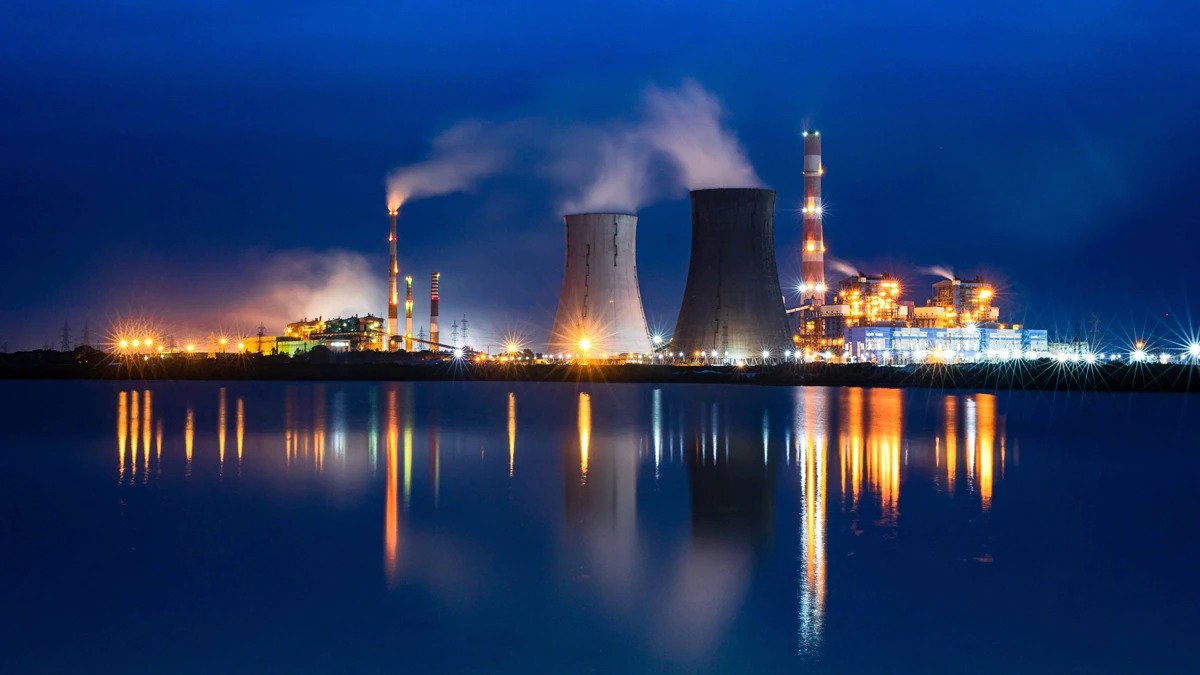
All things considered, it is easy to see the connection between global warming and ocean acidification: both are primarily caused by an increase in carbon dioxide levels. The oceans have absorbed between a third and a half of the carbon dioxide humans have released into the atmosphere since 1850. It is exactly for this reason that oceans, along with forests, are considered the world’s biggest carbon sinks. By absorbing emissions, they help alleviate the consequences of global warming. Yet, the ever-rising carbon dioxide emissions are overloading the capacity of these carbon sinks, leading to the worsening of ocean acidification. This means that there is no climate change without more acidic oceans. In other words, unless we reverse global warming, our oceans will keep getting more acidic.
How Acidic Is the Ocean?
The pH value of global seawater – which naturally contains alkaline ions that come from the weathering process of continental rocks – has remained stable at an average of 8.2 for millions of years. However, since industrialisation began around the 1760s, the value has decreased to about 8.1.
While this change might seem insignificant, it is important to keep in mind that the pH scale is logarithmic and thus a small change in pH can cause an exponential change in acidity. In fact, a change of 1pH unit represents a tenfold change in acidity. This slight decrease in average water acidity is also found to represent a 26% increase in acidity over about 250 years, a rate that is 100 times faster than marine species have experienced in tens of millions of years. Worse still, the acidification is not expected to come to a halt, with the pH of ocean water estimated to further drop by 0.3 to 0.4 units by 2100, equivalent to a 150% increase in acidity over preindustrial times. Read More...