What is a Dead Zone?
-
 Loading...
 - Dhruv Patel
- 08 Aug 2022
- 87 Views
- 0 Like
- 0 Comment
The term “dead zone” or “hypoxia” refers to low-oxygen areas in the world’s lakes and oceans and is so called because very few organisms can survive in hypoxic conditions. Hypoxic zones can occur naturally, but human activities can also lead to the creation of new dead zones or the enhancement of existing ones. What are dead zones, how many are there in the world and how can they be prevented?
What is a Dead Zone?
A dead zone occurs as a result of eutrophication, which happens when a body of water is inundated with too many nutrients, such as phosphorus and nitrogen. At normal levels, an organism called cyanobacteria – or blue-green algae – feeds on these nutrients. With too many nutrients, however, cyanobacteria grow out of control, which can be harmful.
When the algae die and sink to the bottom of the water bed, they provide a rich food source for bacteria, which when decomposing consume dissolved oxygen from surrounding waters, depleting the supply of marine life. If stratification of the water column (when water masses with different properties form layers that prevent water mixing) occurs, these waters will remain oxygen poor.
Human activities mainly cause these excess nutrients to be washed into the ocean, which is why dead zones are often located near inhabited coastlines.
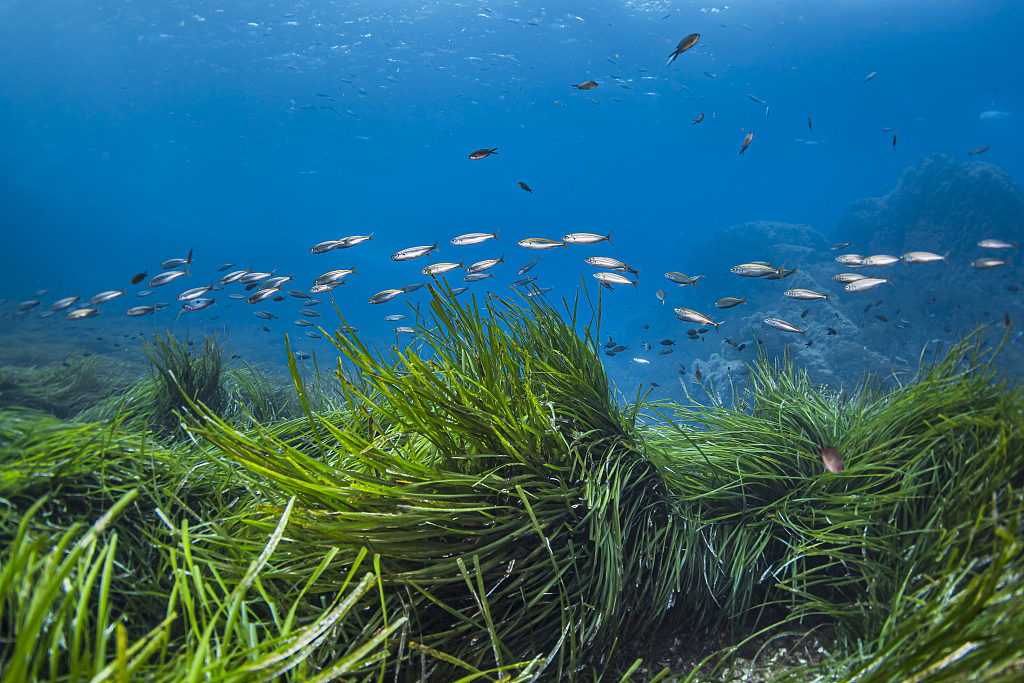
Shallow waters are less likely to stratify than deep waters, and so are less likely to develop hypoxic conditions. This is because shallow waters tend to be well-mixed by winds and tides. Additionally, waters that are shallow and clear enough to allow light to reach the bottom can support primary producers such as phytoplankton, algae and seagrasses that release oxygen during photosynthesis.
What Causes Eutrophication?
This process has increased because of the rise in intensive agricultural practices, industrial activities and population growth, which all emit large amounts of nitrogen and phosphorus that settle into our air, soil and water. Fossil fuels also release nitrogen into the atmosphere.
In developed countries, heavy use of animal manure and commercial fertilisers are the main contributors to eutrophication, which runs off from fields into creeks and bays. In developing countries, untreated wastewater from sewage and industry are the main contributors, which is sometimes dumped into rivers, lakes or the ocean.
Eutrophication’s Impact on the Environment
The eutrophication process has severe environmental impacts.
Phosphorus, nitrogen and other nutrients increase the productivity or fertility of marine ecosystems. Organisms such as phytoplankton, algae and seaweeds grow quickly and excessively on the water’s surface. This rapid development of algae and phytoplankton is called an algal bloom. Algal blooms can create dead zones beneath them, because they prevent light from penetrating the water’s surface. They also prevent oxygen from being absorbed by organisms beneath them. Sunlight is necessary for plants and organisms like phytoplankton and algae, which manufacture their own nutrients from sunlight, water and carbon dioxide.
Algal blooms are sometimes referred to as “red tides” or “brown tides,” depending on the colour of the algae. Cyanobacteria causes red tides.
Algal blooms are also often cause of human illness. Shellfish, such as oysters, are filter feeders. As they filter water, they absorb microbes associated with algal blooms. Many of these microbes are toxic to people. Algal blooms can also lead to the death of marine mammals and shore birds that rely on the marine ecosystem for food. Read More...