Ethiopia's "False Banana" Plant May Be The Answer To World Hunger
-
 Loading...
 - Cynthia otoo
- 08 Aug 2022
- 77 Views
- 0 Like
- 0 Comment
Extreme weather caused by global warming is expected to increasingly challenge the yields of conventional crops like corn, wheat, and soy. Small-scale farmers — who lack the resources to adapt to climate change — will be particularly hard hit. Scientists believe that the only way to combat this is by introducing new, hardier crops to what they're currently growing. That's where Ethiopia's enset, or "false banana," plant comes in.
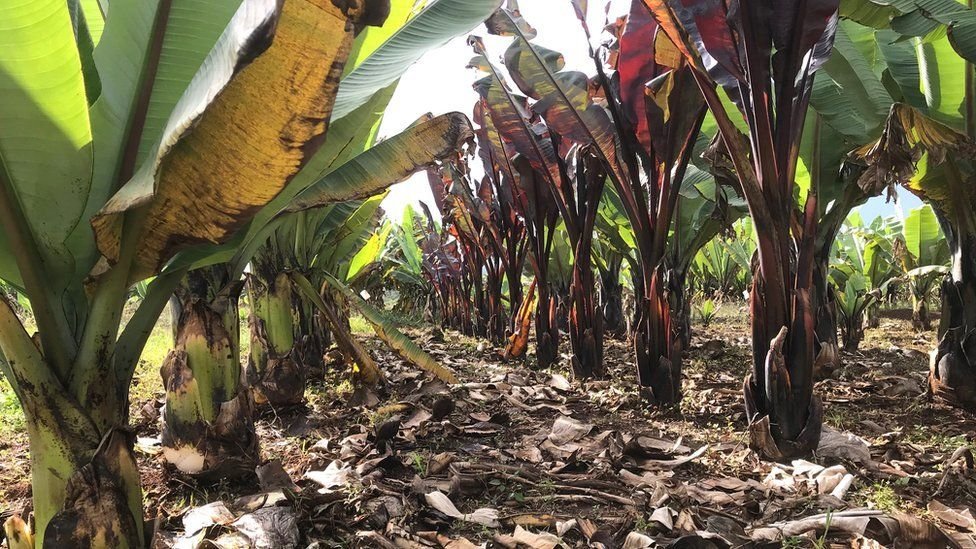
The massive plants, which can reach heights of up to 12 feet, are related to and closely resemble the banana plant. However, their short, thick fruits are filled with seeds and inedible. The food in an enset plant comes from its roots and stems, which can be pulped and used to make a calorie-dense bread or porridge.
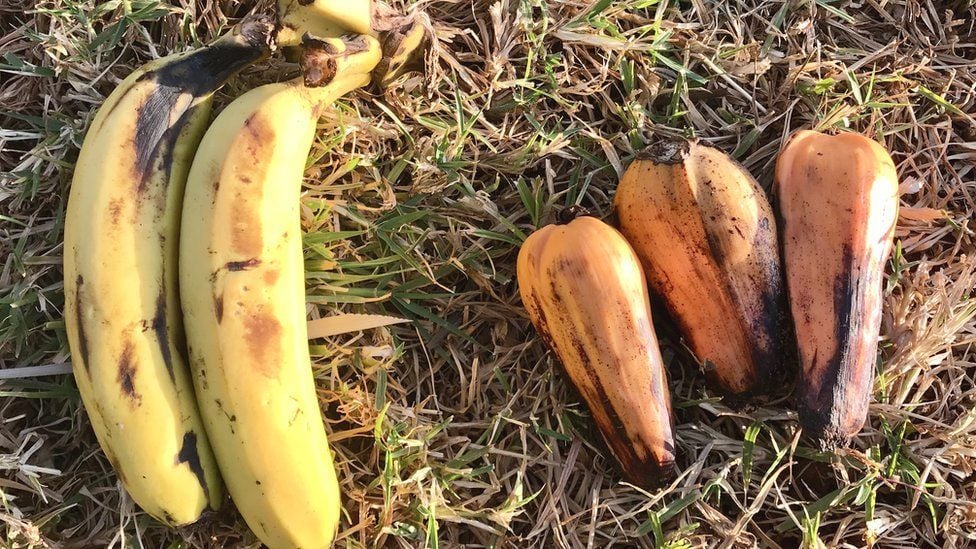
Ensets have many unique attributes that make them ideal for reducing global food insecurity. The rapid-growing plants can be propagated from cuttings and harvested during any season. They are highly resistant to diseases and can survive without water for up to seven years. And just 15 ensets can feed a person for an entire year!
Domesticated enset has been feeding about 15 million people in southwestern Ethiopia for many years. However, the amazing plant is largely unknown outside of the country. But if Dr. Wendawek Abebe of Ethiopia's Hawassa University and Dr. James Borrell of London's Royal Botanic Gardens have their way, enset may soon become a household staple in many parts of Africa. Read More...