The Evolution of Strength Training: From Traditional Lifting to Functional Fitness
-
 Loading...
 - Farida Reda
- 06 Aug 2024
- 60 Views
- 0 Like
- 0 Comment
Strength training has undergone a remarkable transformation over the years, evolving from traditional weightlifting to the more dynamic and holistic approach of functional fitness. This shift reflects broader changes in how we understand physical fitness, health, and performance. Let’s explore this evolution and how it has reshaped the landscape of strength training.
Traditional Weightlifting: The Foundation
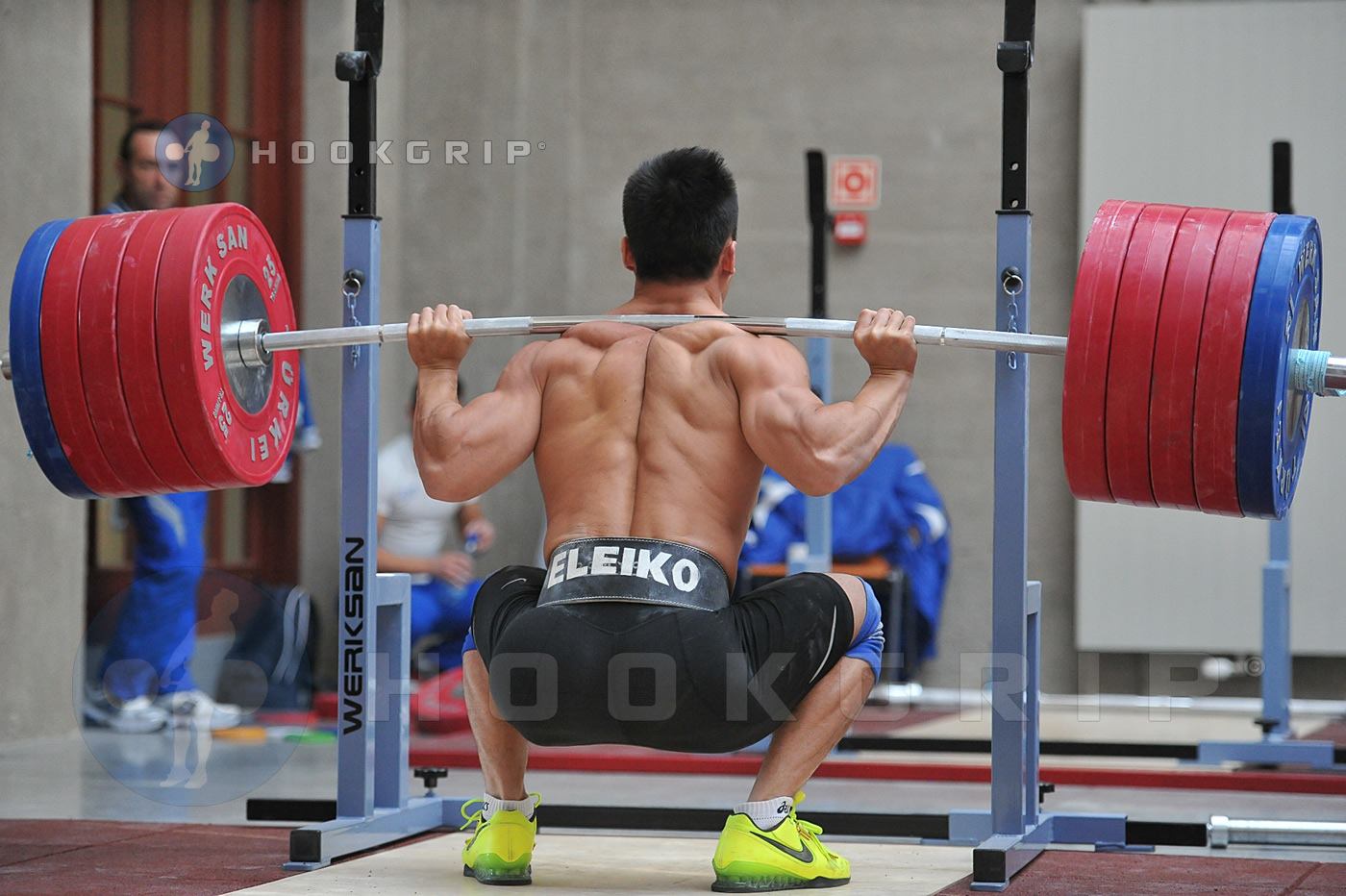
Traditional weightlifting has long been the cornerstone of strength training. This approach focuses on using free weights, such as barbells and dumbbells, and weight machines to perform exercises aimed at increasing muscle mass, strength, and power. Key characteristics include:
- Isolation Exercises: Traditional lifting often emphasizes isolating specific muscle groups. For example, bicep curls target the biceps, while leg extensions focus on the quadriceps.
- Structured Routines: Workouts are typically divided into specific days for different muscle groups, such as "chest day" or "leg day."
- Progressive Overload: The principle of gradually increasing the weight, frequency, or number of repetitions in exercises to continually challenge muscles and promote growth.
Popular Exercises:
i. Bench press
ii. Squats
iii. Deadlifts
iv. Shoulder press
Transition to Functional Fitness
Functional fitness emerged as a response to the limitations of traditional weightlifting, emphasizing movements that mimic real-life activities and improve overall functional strength. This approach focuses on the body as an integrated system rather than isolating specific muscles. Key principles include:
- Compound Movements: Exercises that involve multiple joints and muscle groups, promoting coordinated and efficient movement patterns.
- Core Stability: Emphasis on strengthening the core muscles to improve balance, stability, and overall strength.
- Versatility: Incorporating a wide range of movements and equipment, such as kettlebells, resistance bands, medicine balls, and bodyweight exercises.
Popular Functional Fitness Exercises:
- Kettlebell swings
- TRX suspension training
- Medicine ball slams
- Functional movement patterns like lunges, push-ups, and planks
Benefits of Functional Fitness
The rise of functional fitness brings several benefits that address the holistic needs of individuals, from athletes to everyday fitness enthusiasts:
i. Improved Daily Functionality: Functional exercises train the body to handle real-world activities, such as lifting, bending, and twisting, with greater ease and reduced risk of injury.
ii. Enhanced Core Strength: A strong core is crucial for overall stability and performance, and functional fitness places significant emphasis on core engagement.
iii. Balanced Muscle Development: By focusing on compound movements, functional fitness ensures balanced muscle development, reducing the risk of muscle imbalances and associated injuries.
iv. Flexibility and Mobility: Functional workouts often include dynamic stretches and mobility exercises, promoting flexibility and joint health.
v. Increased Caloric Burn: The high-intensity, full-body nature of functional exercises can lead to greater caloric expenditure compared to isolated movements in traditional lifting.
Integrating Traditional and Functional Training
Modern strength training often blends traditional and functional approaches to create comprehensive programs that maximize the benefits of both:
- Hybrid Workouts: Combining compound lifts like deadlifts and squats with functional movements such as kettlebell swings and TRX exercises.
- Periodization: Structuring training cycles to focus on different goals, such as strength, hypertrophy, and functional capacity.
- CrossFit and HIIT: Programs like CrossFit and High-Intensity Interval Training (HIIT) exemplify the integration of traditional and functional training, offering varied, high-intensity workouts that improve strength, endurance, and agility.
The evolution from traditional weightlifting to functional fitness reflects a broader understanding of how to train the body more effectively and holistically. While traditional lifting provides the foundation for building raw strength and muscle mass, functional fitness enhances overall movement patterns, core stability, and real-world functionality. By integrating both approaches, individuals can achieve a balanced, comprehensive fitness regimen that supports a wide range of physical goals and daily activities.