The future of French painting
-
 Loading...
 - Bahiti Salem
- 05 May 2023
- 102 Views
- 0 Like
- 0 Comment
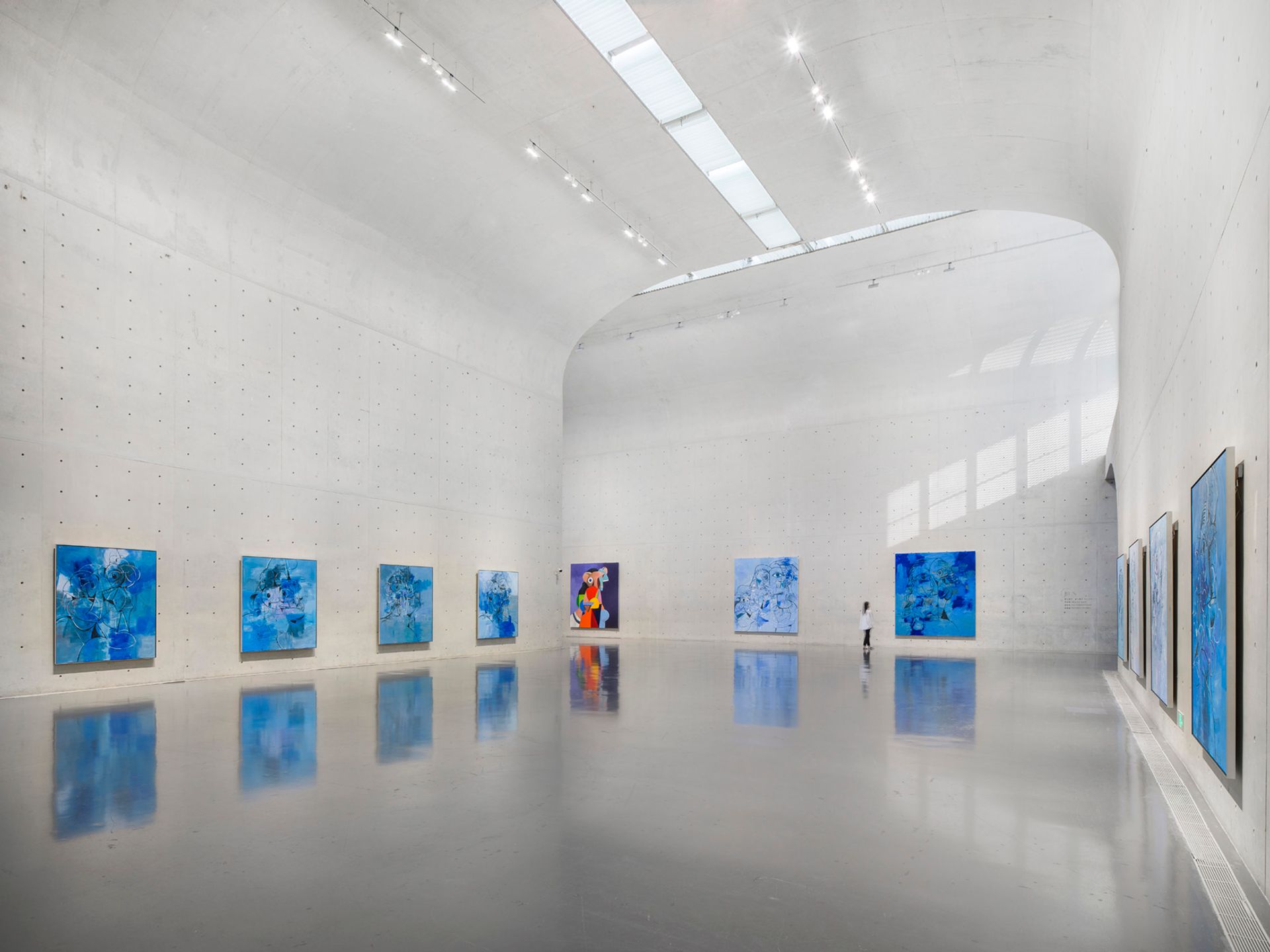
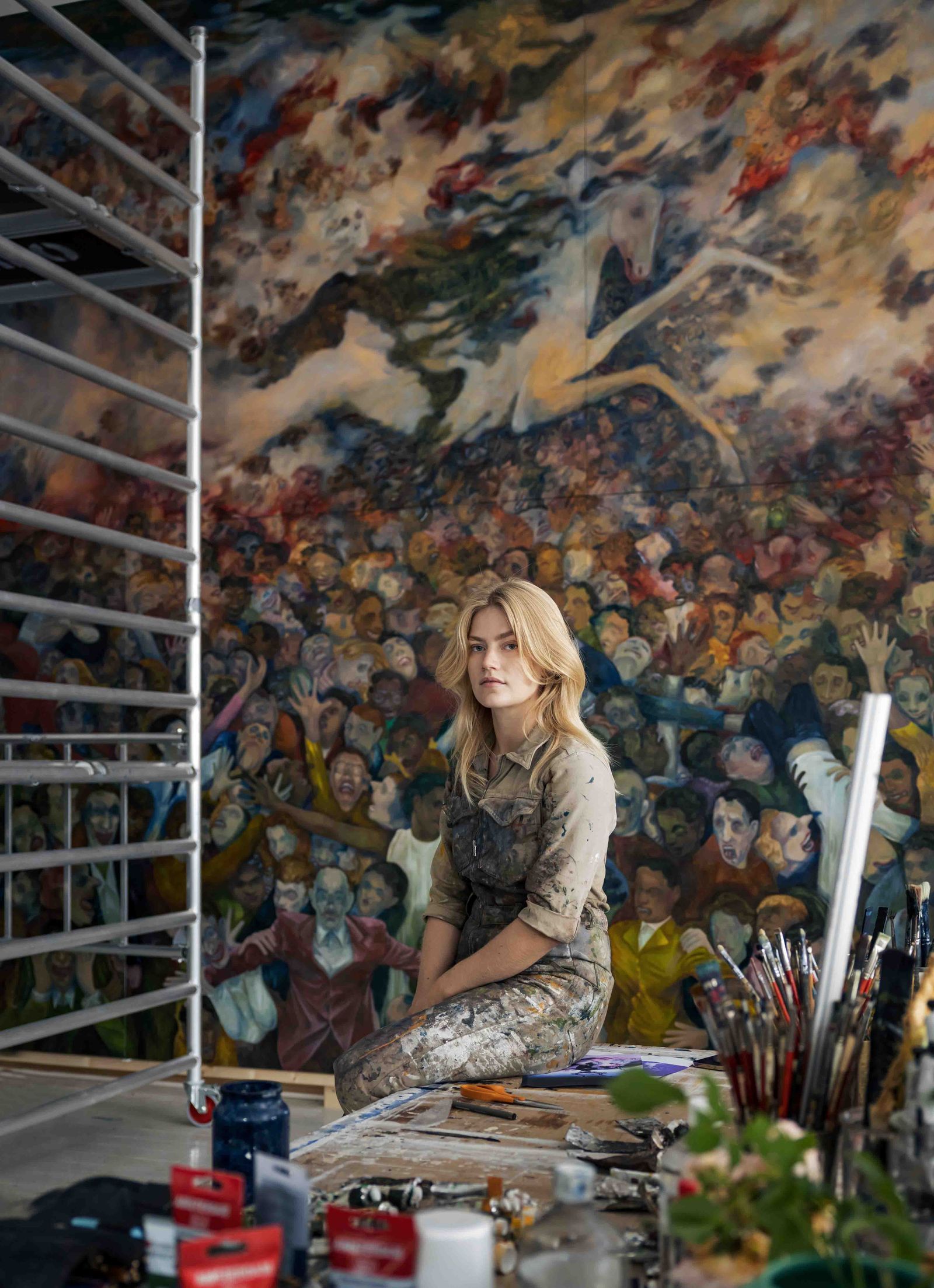
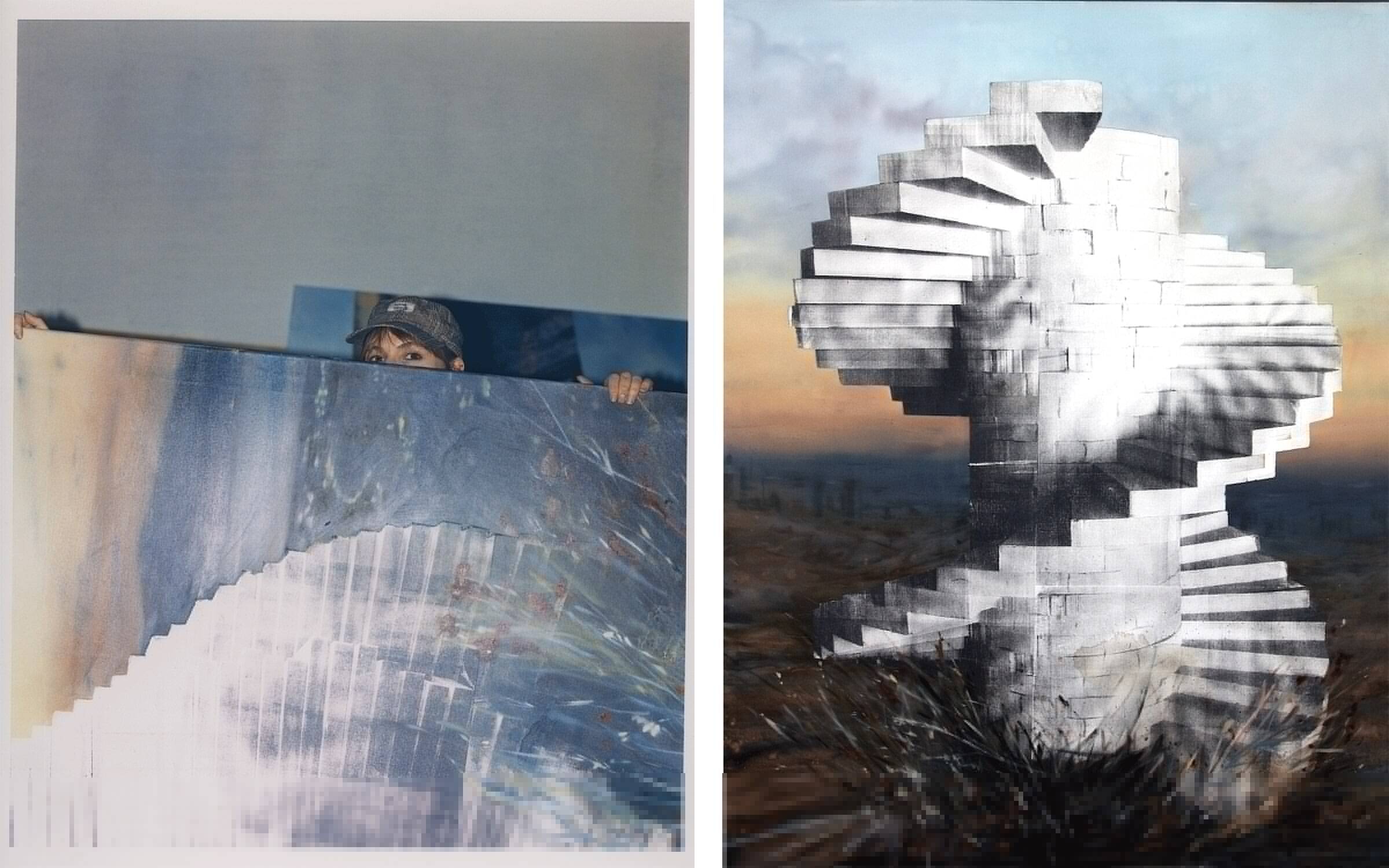
Is French painting immortal? It wasn’t always thought to be so. ‘Being a painter in France just 15 years ago wasn’t exactly a street paved with gold – it actually sucked,’ says the artist Eva Nielsen, who participated in last year’s Lyon Biennale of Contemporary Art. ‘When I went to England to study at the end of the 2000s, I apologized for being a painter! But there, they didn’t understand why.’ Now, Nielsen is a sought-after exponent of the medium, which is currently being celebrated in the exhibition ‘Immortal: Vitality of Young French Figurative Painting’ at MO.CO. in Montpellier.
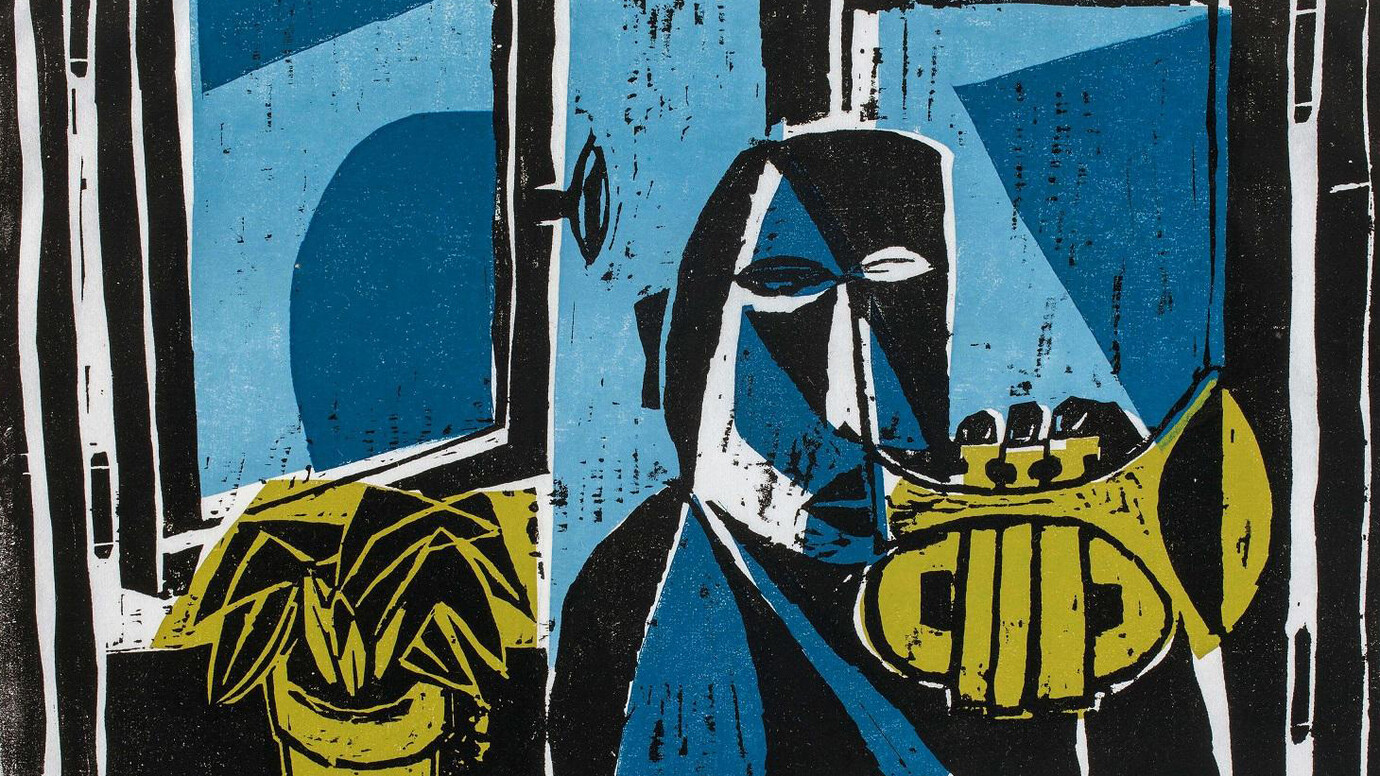
Vibrant and varied, recent French painting has caught people’s attention with its figurative, or predominantly figurative, style. More than a trend, it appears to stem from a deeper urge: to describe the world today and speak of ourselves in paint. From a feeling of emptiness comes a vital need to create images, in spite of everything – a need to find order in the visual barrage that engulfs us, or to impose our very own muddle: painting in an era of screens.
It’s impossible, in reality, to extricate yourself from the grip of technology. So, young painters work with it instead, thereby attempting to weaken its power. A graduate from Les Beaux-Arts in Marseille, Amélie Bertrand evokes a floating world, painting with bold colors and flatness, eschewing the depth offered by Photoshop or InDesign. ‘I never try to create real spaces, only painted spaces,’ explains the 37-year-old. Read More…