The Growing Popularity of Mobile Gaming and its Impact on Traditional Gaming
-
 Loading...
 - Flynn Abbey
- 30 Jul 2024
- 60 Views
- 0 Like
- 0 Comment
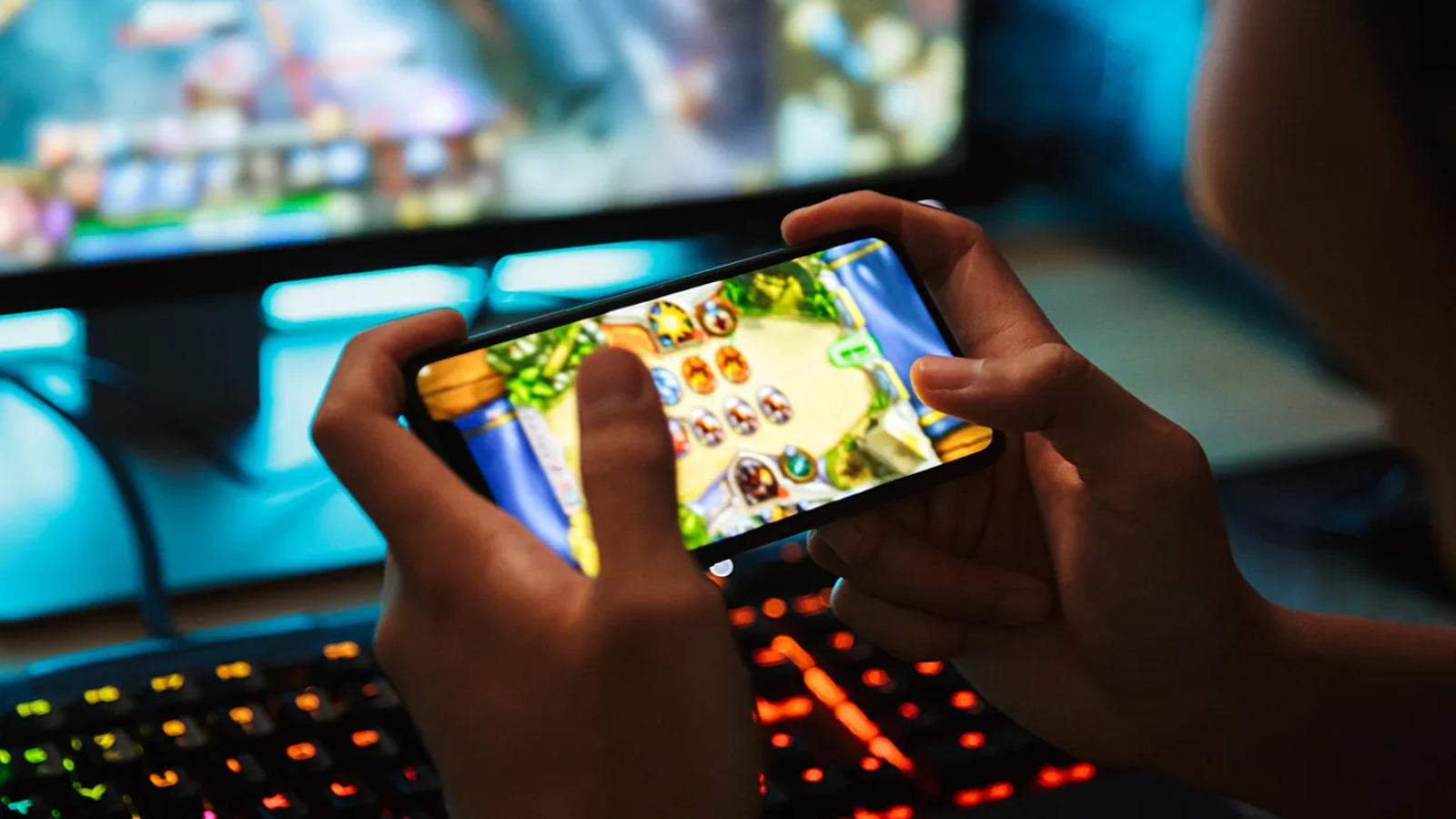
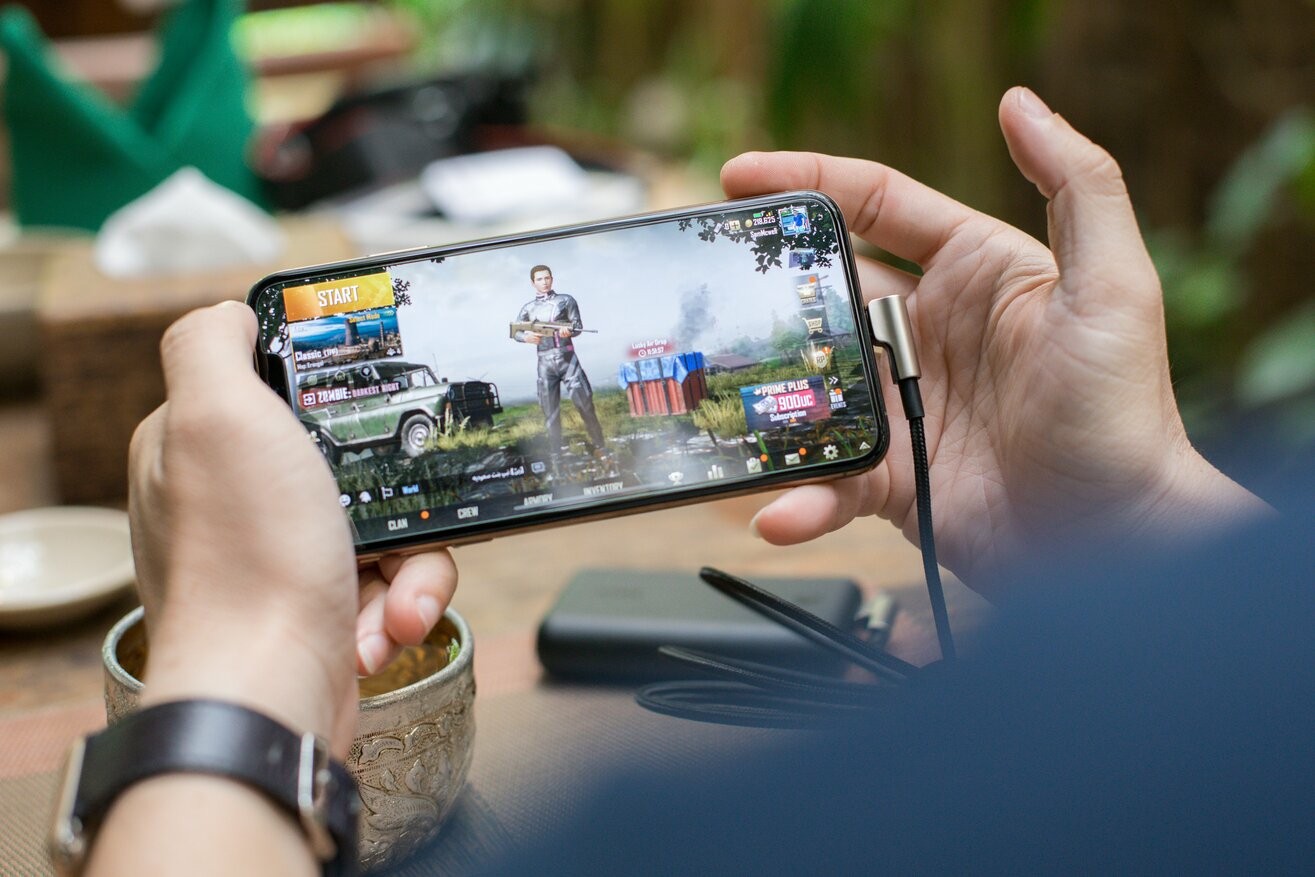
The gaming landscape has undergone a significant transformation over the past decade, with mobile gaming emerging as a dominant force. The rise of smartphones and tablets has made gaming more accessible than ever before, leading to a surge in mobile gaming's popularity. This shift has had profound implications for traditional gaming platforms, including consoles and PCs. Let's delve into the factors behind mobile gaming's growth and explore its impact on the traditional gaming industry.
The Rise of Mobile Gaming
One of the primary drivers of mobile gaming's popularity is its accessibility. Nearly everyone has a smartphone or tablet, making it easy to download and play games anytime, anywhere. This convenience has attracted a broad audience, including those who may not have considered themselves gamers in the past.
Advancements in mobile technology have significantly improved the gaming experience. Modern smartphones and tablets boast powerful processors, high-resolution screens, and advanced graphics capabilities, allowing for immersive gameplay that rivals traditional gaming platforms.
The mobile gaming market offers a vast array of games catering to different tastes and preferences. From casual puzzle games and social games to complex role-playing games (RPGs) and multiplayer online battle arenas (MOBAs), there's something for everyone. This diversity has helped broaden the appeal of mobile gaming.
Impact on Traditional Gaming
- Mobile gaming has attracted a more diverse demographic compared to traditional gaming platforms. A significant portion of mobile gamers are women and older adults, groups that were traditionally underrepresented in the gaming community. This shift has influenced the types of games being developed and marketed across all platforms.
- The rapid growth of mobile gaming has led to a substantial increase in its market share. According to industry reports, mobile gaming revenue surpassed that of console and PC gaming combined in recent years. This shift in revenue has prompted traditional game developers to invest more in mobile gaming to tap into this lucrative market.
- The rise of mobile gaming has spurred innovation in game development. Many traditional game developers are now creating mobile versions of their popular titles or developing new games specifically for mobile platforms. Additionally, there has been an increase in cross-platform integration, allowing players to enjoy their favorite games seamlessly across mobile, console, and PC.
The Future of Mobile and Traditional Gaming
- The success of mobile gaming has led to the adoption of new business models, such as free-to-play games with in-app purchases and subscription-based services. Traditional gaming platforms are also exploring these models to stay competitive and meet the changing preferences of gamers.
- Mobile games often emphasize social connectivity, allowing players to connect with friends and other gamers worldwide. This social aspect has become increasingly important in traditional gaming as well, with more games incorporating online multiplayer modes and social features.
- The future of gaming is likely to see further convergence between mobile and traditional platforms, particularly with the advent of virtual reality (VR) and augmented reality (AR) technologies. These innovations promise to deliver even more immersive gaming experiences, blurring the lines between mobile and traditional gaming.
The growing popularity of mobile gaming has significantly impacted the traditional gaming industry, reshaping market dynamics and influencing game development trends. While mobile gaming has introduced new demographics to the gaming community and driven revenue growth, it has also pushed traditional gaming platforms to innovate and adapt. As technology continues to evolve, the future of gaming will likely see even greater integration and collaboration between mobile and traditional platforms, offering gamers an ever-expanding universe of entertainment options.
FAQs
1. What has contributed to the rise of mobile gaming?
The accessibility and convenience of smartphones and tablets, along with technological advancements and a wide variety of games, have contributed to the rise of mobile gaming.
2. How has mobile gaming impacted traditional gaming demographics?
Mobile gaming has attracted a more diverse demographic, including more women and older adults, influencing the types of games developed and marketed across all platforms.
3. What business models have emerged due to the success of mobile gaming?
New business models, such as free-to-play games with in-app purchases and subscription-based services, have emerged and are being explored by traditional gaming platforms to stay competitive.
4. How is cross-platform integration affecting the gaming industry?
Cross-platform integration allows players to enjoy their favorite games seamlessly across mobile, console, and PC, fostering innovation and broader reach for game developers.
5. What future technologies could further integrate mobile and traditional gaming?
Virtual reality (VR) and augmented reality (AR) technologies promise to deliver more immersive gaming experiences, potentially leading to further integration between mobile and traditional gaming platforms.