The history of the beautiful Hungarian vineyards
-
 Loading...
 - Maire Dunne
- 20 Sep 2022
- 68 Views
- 0 Like
- 0 Comment
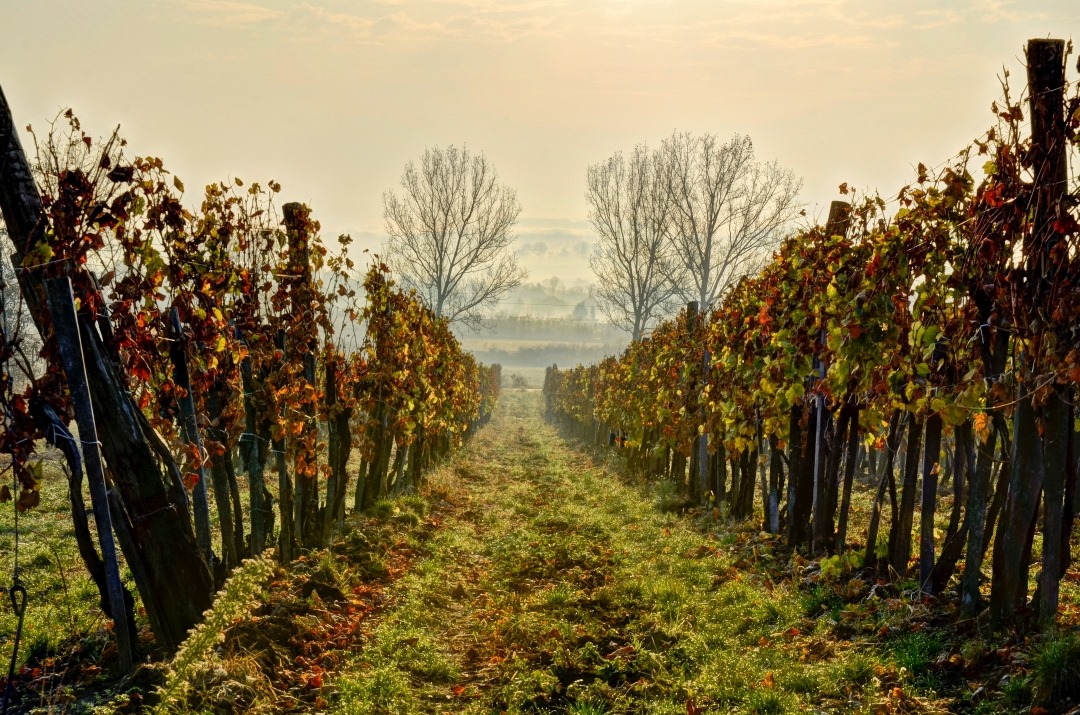
Specific climate conditions, diverse soils and the treasure of tradition are what make the high-quality Hungarian wines so unique. One of the world’s most renowned wine writers, journalist Hugh Johnson, mentions Hungary, along with France and Germany, a
“In addition to the world-famous sweet Tokaji, fruity but full-bodied dry white wines, the pleasantly acidic Kadarka or the long-maturing Cabernet Franc have also found a home in this region. Our dry white wines and champagnes reach more and more discerning domestic and foreign consumers.”
History of wine in Hungary The first historical finding regarding wine production in the country’s territory dates back to the 1st century BC. The Pannonian Basin was under the Roman Empire’s authority at that time. The Romans found the regions’ conditions ideal for their viticulture. They were so successful, that Roman Emperor Domitian (81-96. AD) ordered the extermination of the vines and banned wine production, to get rid of the Italian wines’ competitors.
They started planting grapes again in the 3rd century, in today’s Croatia, spreading over to the lands that are now Hungary. Since then, there have been continuous archaeological findings that prove the existence of vineyards in the Balaton’s area. With the arrival of Hungarians in the 9th century and the adoption of Christianity, grape and wine production only became more significant and widespread. Read More...