The Impact of Climate Change on Sweden's Tree Line and Sensitive Mountain Flora
-
 Loading...
 - leo sebastin
- 02 Jun 2023
- 67 Views
- 0 Like
- 0 Comment
Rising Temperatures and Shifting Tree Line in Sweden
The warming climate is gradually reshaping Sweden's landscape, specifically impacting the country's tree line. As temperatures continue to rise, the boundary where trees can naturally grow is being steadily pushed higher up into the mountains. While this transformation may seem subtle, it poses a significant threat to the delicate mountain flora that inhabits these regions.
Monitoring Sweden's Tree Line and Flora
To understand the extent of this ecological shift, scientists employ various methods to monitor and document Sweden's tree line. One such approach involves regular observations in regions like Jämtland. By consistently capturing images and tracking the presence and growth of spruce, pine, and mountain birch, researchers can assess how the tree line is responding to changing climatic conditions.
The Vulnerability of Sensitive Species: The Case of Dwarf Willow
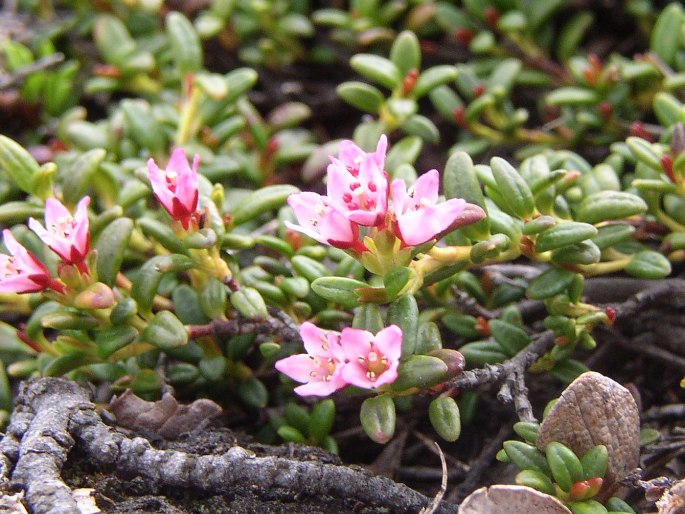
Among the various species at risk, the dwarf willow stands out as particularly vulnerable to the encroaching tree line. Known for its adaptability to cold environments, the dwarf willow thrives in the unique ecosystems found in the higher altitudes of Sweden's mountains. However, as the tree line creeps upwards, the habitat suitable for the dwarf willow becomes increasingly limited.
The dwarf willow, with its low-lying stature and specialized characteristics, is ill-equipped to compete with taller and more shade-tolerant tree species such as spruce and pine. These dominant trees take advantage of the changing climate to establish their presence at higher elevations, outcompeting the dwarf willow for resources like sunlight, water, and nutrients. Consequently, the dwarf willow faces the risk of being displaced and potentially even eliminated from certain mountainous areas.
The loss of the dwarf willow and other sensitive species has broader implications for the mountain flora ecosystems in Sweden. These plants play vital roles in maintaining biodiversity, supporting local wildlife, and stabilizing the fragile mountain soils. Their disappearance could disrupt these delicate ecological balances and have cascading effects on the entire ecosystem.
Efforts are underway to mitigate the negative impacts of climate change on Sweden's tree line and mountain flora. Researchers and conservationists are studying the adaptation strategies of sensitive species, exploring ways to protect their habitats, and implementing measures to raise awareness about the importance of preserving these unique ecosystems.
In conclusion, as the climate continues to warm, Sweden's tree line is gradually shifting higher into the mountains. This change poses a significant threat to sensitive mountain flora, including the dwarf willow. Monitoring and understanding these ecological transformations is crucial for implementing effective conservation strategies and ensuring the long-term survival of these unique and invaluable ecosystems in Sweden's mountains.