The Masterful Greek Who Creates Forest Sculptures with a Chainsaw
-
 Loading...
 - Amelia Bernard
- 12 Feb 2025
- 35 Views
- 0 Like
- 0 Comment
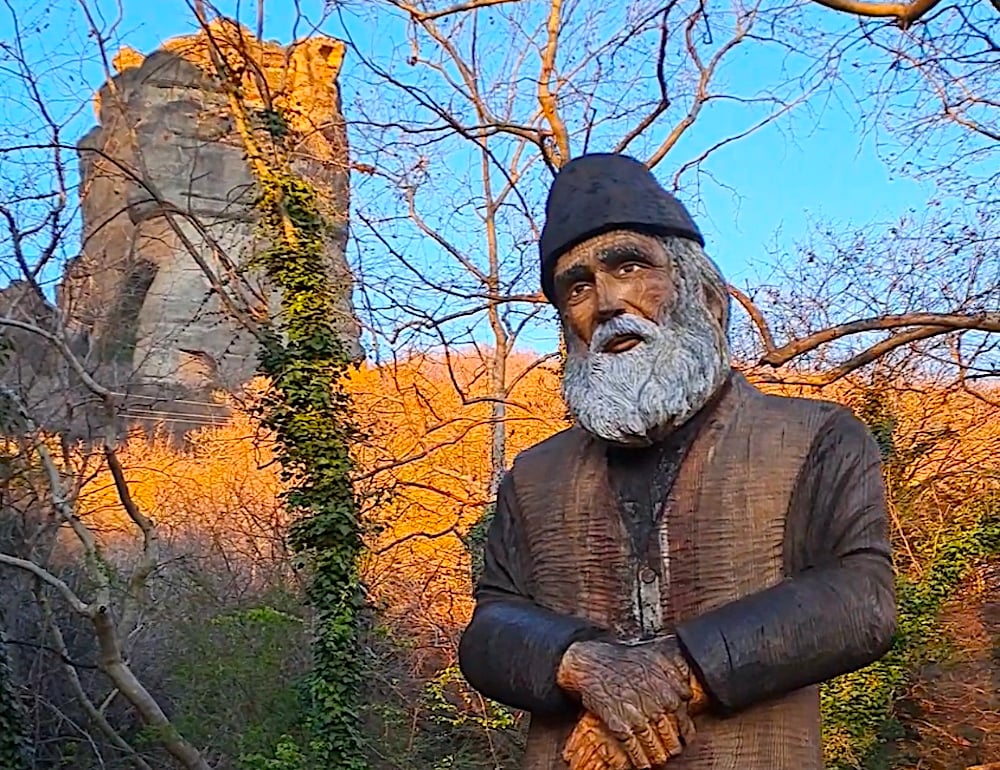
Angelos Patsiatzis is a pioneering Greek wood craftsman renowned for his masterful forest sculptures created using a chainsaw. His impressive works can be found in the stunning natural landscapes of Central Greece, including the Asclepius Path and the Mushroom Path. Among his most celebrated pieces is a wooden statue of the revered Saint Paisios, located along the Meteora Path.

Patsiatzis began his professional journey in woodworking in 2000, drawing inspiration and skills from his father, a carpenter. He later pursued formal education in wood sculpture, earning a degree and gaining experience in ecclesiastical workshops. Initially focused on urban art and interior design, he shifted his attention to forest sculpture, which he describes as a unique blend of art and nature.
“Forest sculpture is not new; it has flourished in Scandinavian countries where there is a strong connection to nature,” Patsiatzis explains. He aims to attract people to these natural settings, encouraging them to walk, take pictures, and appreciate the beauty of the environment. This art form, which began in Norway in the 1950s, is now gaining traction in Greece, thanks to artists like Patsiatzis.
His sculptures, including those of mushrooms and other natural forms, have received positive feedback from visitors who appreciate the integration of art within the landscape. Patsiatzis emphasizes that his work embodies harmony with nature, transforming wood from the earth into lasting creations that can endure for decades.
Looking ahead, Patsiatzis is committed to expanding the reach of forest sculpture. He has established a local community cooperative in collaboration with the municipality to create a workshop where students can learn the art of wood sculpture. His vision includes organizing forest wood sculpture festivals and encouraging young people to engage with this unique craft.
Through his dedication to forest sculpture, Patsiatzis not only creates beautiful art but also fosters a deeper connection between people and nature, ensuring that this art form continues to thrive in Greece.