Spain’s Art Market on the Upswing
-
 Loading...
 - Beatrice Abate
- 12 Feb 2025
- 41 Views
- 1 Like
- 0 Comment
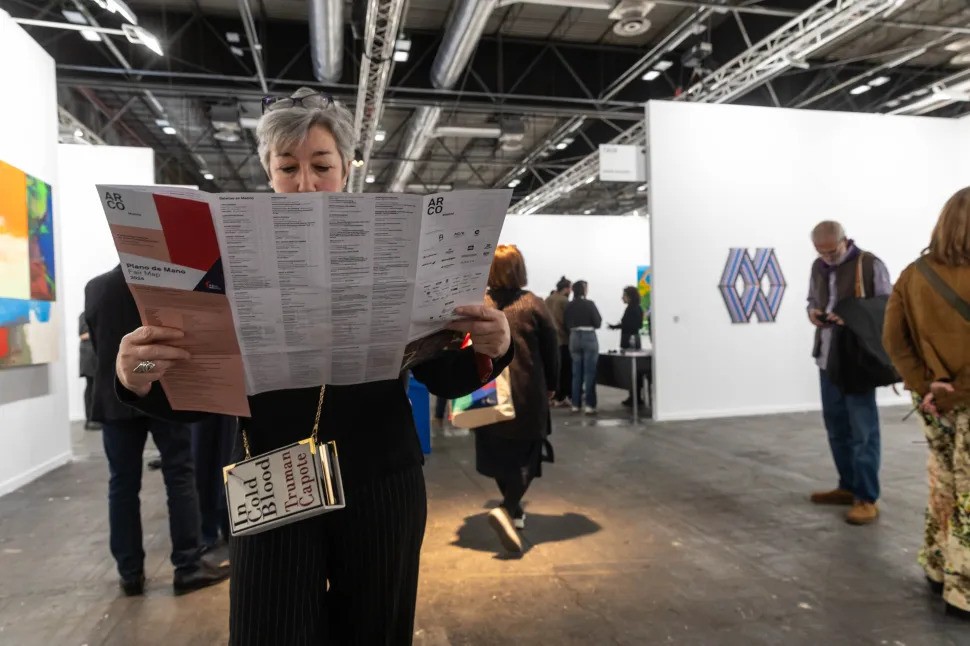
Spain's art scene is experiencing a significant transformation, with a growing number of galleries and a vibrant contemporary art market. As the country’s premier art fair for over forty years, ARCOmadrid has played a crucial role in shaping this landscape. Founded in 1982 by pioneering gallerist Juana de Aizpuru, the fair emerged shortly after the end of the Franco regime, coinciding with Spain’s return to democracy. Maribel López, who has been involved with ARCOmadrid for many years and became its director in February 2021, shared insights into the fair's evolution and the current state of the Spanish art market.
The 2024 edition of ARCOmadrid comes on the heels of an extraordinary economic recovery for Spain, which has been recognized as the best-performing economy in the world by the Economist. With GDP growth exceeding expectations and a significant rise in consumer spending, the fair aims to connect Spain with Europe and South America, promoting Spanish art while attracting international audiences. One of ARCOmadrid's key initiatives is its International Collectors Program, which invites around 350 collectors each year to engage with the local art scene through studio visits, gallery tours, and exclusive events.
López emphasizes the importance of showcasing Spain's diverse regional art scenes, highlighting the exciting developments in cities like Valencia, Seville, and Santiago de Compostela. The fair features a strong core of Spanish galleries while also including international exhibitors, creating a dialogue between local and global art practices. This year, the General Programme will include leading Spanish galleries alongside newcomers and established international names, reflecting the growing interest in Spain's art market.
A standout feature of ARCOmadrid is its commitment to curatorial rigor, which extends beyond traditional booth formats. This year’s thematic exhibition, titled “Wametisé: Ideas for an Amazofuturism,” focuses on the Amazon and explores cultural exchange through the lens of contemporary issues. Curated by Denilson Baniwa and Maria Wills, the exhibition will feature twenty-four artists and aims to foster transcultural conversations that transcend national borders.
ARCOmadrid maintains strong ties with Madrid’s cultural institutions, which will host significant exhibitions during the fair. Notable events include a solo presentation of Sigmar Polke at the Museo del Prado and a group exhibition at the Reina Sofía featuring contemporary Spanish artists. These collaborations enhance the fair's role as a central hub for artistic exchange and dialogue.
López expresses optimism about the future of the Spanish art scene, noting the increasing recognition of Spanish artists on the international stage, as evidenced by the inclusion of young artists like June Crespo and Teresa Solar at the Venice Biennale. She highlights a new wave of female artists who are rethinking sculptural practices and reviving traditional techniques, contributing to a rich and dynamic artistic landscape.
With Spain's economic upswing, López is confident in the potential for expanding the local collector base, particularly among younger generations eager to engage with the art world. She believes that fostering new collectors is essential for the growth of galleries and fairs alike.
ARCOmadrid continues to be a vital platform for promoting Spanish art and fostering international connections. Under Maribel López's leadership, the fair is not only celebrating the rich cultural heritage of Spain but also embracing contemporary dialogues that reflect the complexities of today’s global art scene. As the Spanish art market thrives, ARCOmadrid remains committed to nurturing emerging talent and expanding its reach, ensuring that it remains a cornerstone of the contemporary art landscape.