The Moon's Darkest Places Are Permanent Shadows, But Now We Can Peer Into Them
-
 Loading...
 - james benjamin
- 01 Sep 2022
- 66 Views
- 0 Like
- 0 Comment
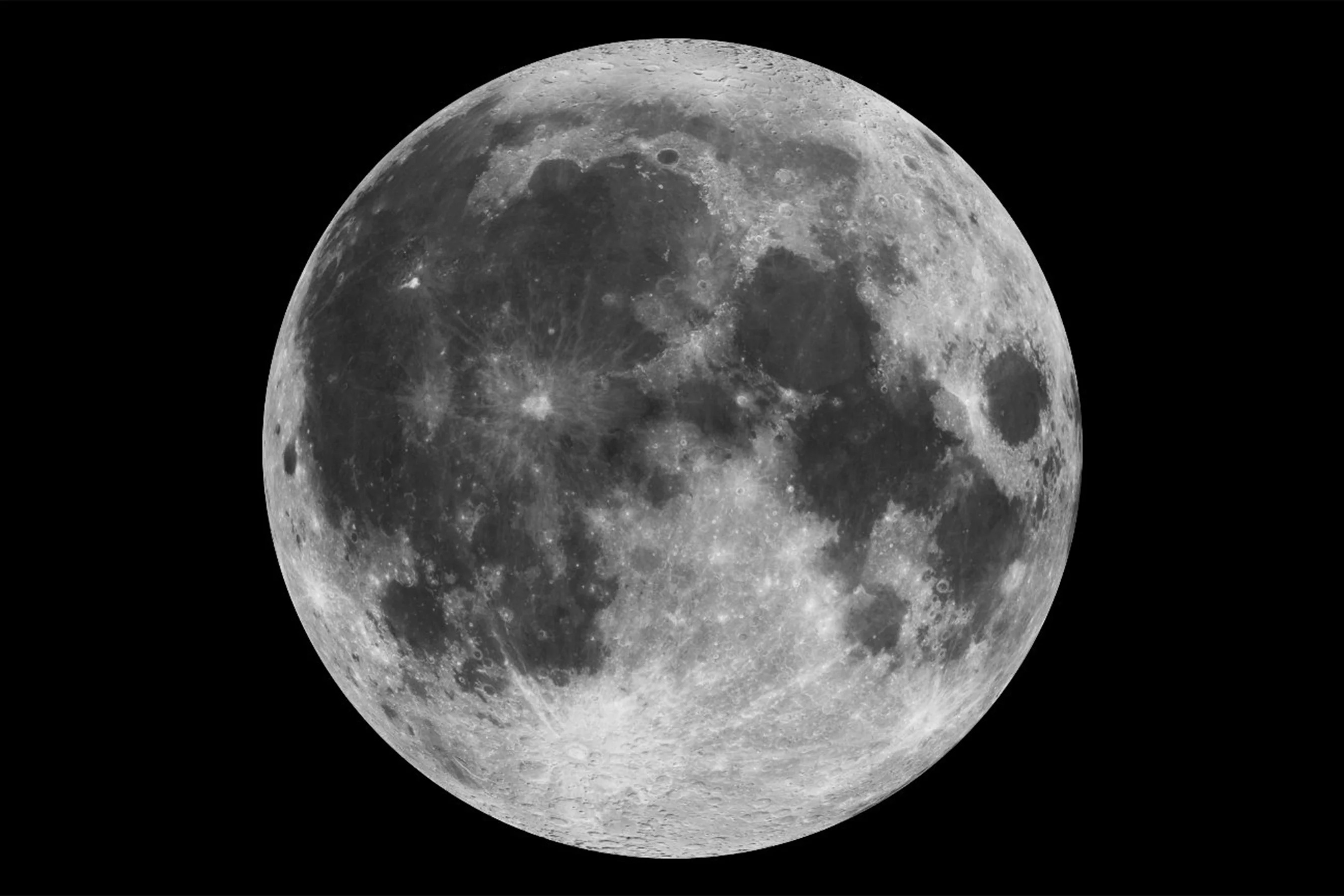
It's a common misconception that the Moon has a "dark" side. Like a rotisserie chicken, the Moon's rotation ensures a nice, even sunbathe around its equator.
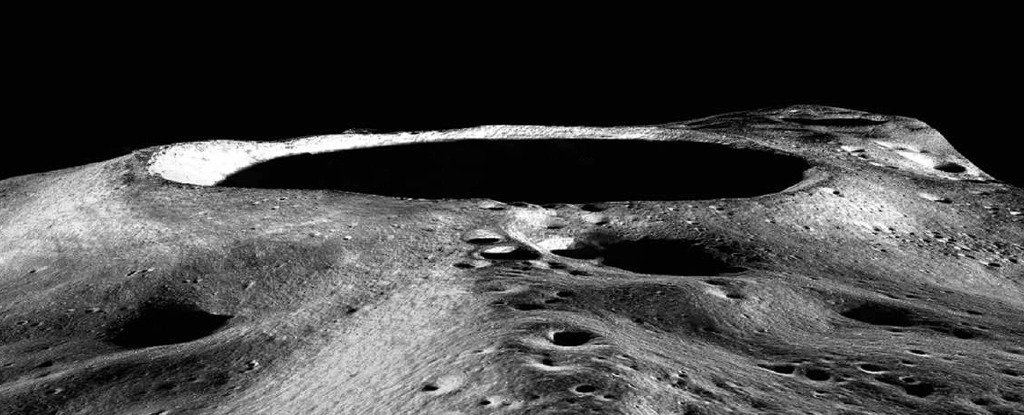
But there are pockets that never receive any rays: deep craters and pocks at high latitudes, in the Moon's polar regions, with high walls that protect the crater floor from harsh solar radiation.
In these mysterious Moon holes, which maintain freezing temperatures around -163 degrees Celsius (-260 degrees Fahrenheit), scientists believe there may be all sorts of interesting things.
Well, mainly one: water ice, in patches up to several meters thick.
We likely won't know for sure until at least 2024, the year NASA plans to send astronauts up to our li'l lunar buddy to check it out… but in the meantime, scientists have found a way to illuminate those shadowed regions for a sneak peek.
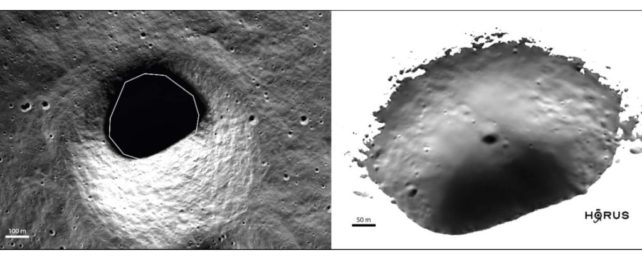
The results could help decide which of the 13 candidate landing regions is the most likely to yield the best science, as well as understand the permanent cold, dark places that represent one of the Moon's most mysterious frontiers.
First, the bad news: according to glaciologist Valentin Bickel of ETH Zurich in Switzerland, who led the research, it looks like we're going to have to dig for ice.
"There is no evidence of pure surface ice within the shadowed areas, implying that any ice must be mixed with lunar soil or lie underneath the surface," Bickel says. Read More…