'The most intense violation of my life': A beloved camp, a lost boy and the lifelong impact of child sexual trauma
-
 Loading...
 - Abigail Thompson
- 12 Apr 2022
- 313 Views
- 0 Like
- 0 Comment
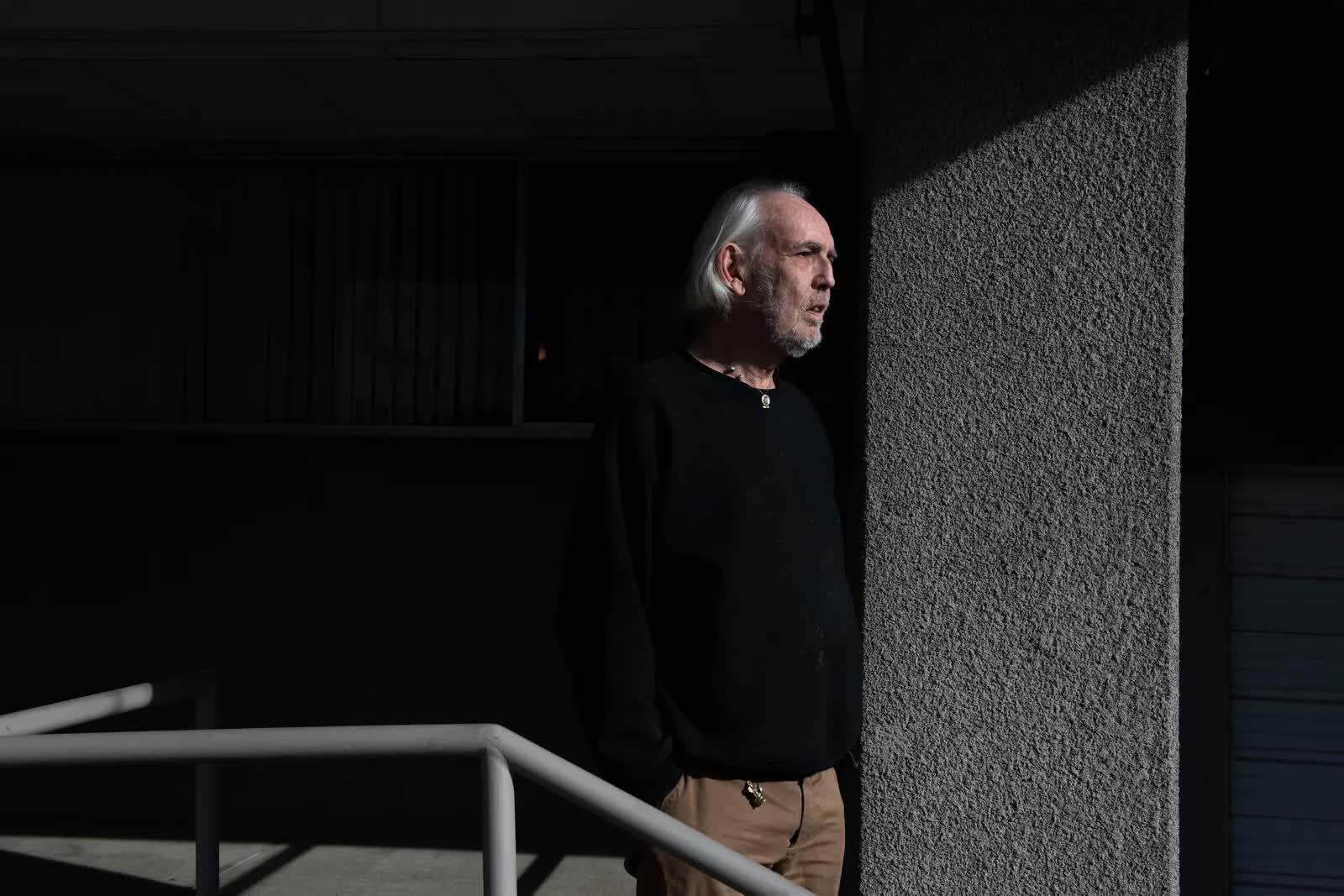
When Peter Wien was 10 years old, he started biting his hand, gnawing on it almost daily, his mouth sculpting the soft skin between his thumb and index finger into an arched callus. Occasionally, he broke flesh. Biting was how Peter managed what was happening at camp.
He doesn't remember how the abuse began, only the way it persisted – in the cabin in the afternoon, above the barn, when walking to the lake. He remembers the time the counselor guided him through the trees, took off both their clothes and perpetrated the abuse of which so many don't speak, the abuse we lock inside.
Peter remembers the clearing they would go to and the mossy spot where they would lie, surrounded by the furrowed bark of Sugar Maples and the elephant skin of American Beech. Deeper in the forest around them, trees absorbed the dampness of shadows as confusion ballooned in Peter's belly. Peter remembers climbing the ladder to the barn's loft where costumes were stored for shows, the ball in his throat when he realized the counselor had followed. He can still feel the unsettling abruptness of those moments after the counselor would stop, the unease of all that was left unsaid and unknown.
Peter said the abuse occurred over multiple summers in the late 1950s at Vermont's Camp Najerog, where parents sent their sons for an education on the outdoors. It would split Peter into the boy he deserved to be and the one he would become. The abuse he recalls, and the lingering questions about what the camp did and did not know, what the adults around him did and did not do, would come to define every aspect of Peter's life.
As the abuse continued, Peter couldn't stop biting his hand. His mother and father – perhaps unwilling, perhaps ill-equipped as parents of that generation were to address their son's trauma – didn't look or ask or ever really see. They told Peter that if he stopped biting, when he could eventually drive, they would buy him a car.
"I stopped biting my hand and I started ripping my lip," he said. "My lips no longer join. Over 60 years of ripping away at my lip, it's kind of gone."
Peter is 75 now, and if time is the measure, he has traveled far. But more than half a century after leaving the camp, those summers are still achingly present. Peter never fell in love, was too afraid to have children, couldn't hold a job. Friends are hard to keep. Therapists, too. He has had more sexual partners than he can count, but never intimacy. He has struggled with his sexual identity. Gay, straight, bisexual – nothing ever really fit. His deepest relationship was with a parrot he rescued and refused to keep in a cage. When the bird died, Peter thought it was probably time he did, too.
Researchers have found at least 1 in 6 men have experienced sexual abuse or assault, and the consequences of that abuse can ripple across a lifetime. The severity of trauma can vary based on existing vulnerabilities, predisposition to mental health problems and access to social supports. For many men, childhood sexual abuse distorts reality, keeps them from connecting with others – from forming the relationships crucial to healing – and leaves them perpetually questioning themselves.
Male survivors face unique challenges because of stereotypes around masculinity that suggest men are not victims, men can handle it, men always enjoy sex. The experiences of male survivors are also complicated by homophobia – 96% of perpetrators against boys and girls are men. Fears of being seen as gay can contribute to feelings of shame and a desire to hide the abuse, especially when their bodies have sexual responses under violence (which is physiologically normal for any survivor).
"I belong to an era of men who were hammered into guilt and silence by our abusers and those who knew of it,” Peter said. “I couldn't turn to people who could see my terror, my frustration, and do anything about it. ... I was a young, innocent child, and I trusted he cared about me. I trusted when he told me that he loved me."
Male sexual abuse is pervasive but has historically been covered up so effectively that even what we know now belies the extent of the problem. This abuse is under-researched and underreported, affecting boys today and millions of adult men who have spent their lives trying to recover from harm that can prove interminable.
Peter has spent more than six decades wondering how his life might have unfolded if not for the abuse.
That answer is painfully unknowable.
He has also spent most of his life wondering if he was the only boy who called Norman Kibby Nicholson his abuser.
That answer we found.
A beloved camp. A lost boy.
Camp Najerog was perched on a hillside above Lake Raponda in Wilmington, Vermont, more than 300 acres purchased by Harold "Kid" Gore and his wife, Jane, for its splendor and possibility – secluded yet accessible, with striking summits, winding trails and a pristine lake. Gore, then the head coach of the University of Massachusetts Amherst football team, said Najerog began as a "little experiment." The camp was established in 1924 and operated for more than 40 years. Gore became a pioneer in the summer recreation industry.
Gore's expressed dream was for boys to delight in life in the open. Campers learned boating, swimming, fishing, hiking, horseback riding and riflery, sailing, water skiing and canoeing. They played tennis and baseball, earned Boy Scout merit badges, gardened and cared for animals. Gore also made space for singing and performing, daydreaming, roaming and rest. He intentionally kept the camp small – no more than 50 children, most of them boys and a handful of girls each summer – so it could cater to individual interests.
Counselors would track campers' progress on activities, remarking on adeptness, temperament and potential. It appeared there was a desire to understand each child and to sensitively respond to their needs. A section in one of the camp's binders titled "discipline" suggested that if a child was exhibiting troubling behavior, counselors should search for the causes of that behavior rather than simply punish the camper. Another page on understanding the child featured a typed list of fundamental human desires: "recognition," "affection," "power," "new experience" and "security."
Gore wouldn't take just any camper. One camp brochure said "enrollment is limited to boys whose parents are known to the directors or their friends." The same was true of counselors: "A camp is as good as its counselors. The Gores select leaders known to them personally. They are chosen because of their character, personality and particular fitness for work with boys."
Najerog was beloved. Parents wrote to Gore to remark on changes they observed in their child's behavior when they returned home – in manners, motivation, fastidiousness. Gore received letters from former campers updating him on their achievements. Some campers said Najerog was among the most transformative experiences of their lives.
Peter’s parents learned of Najerog while living in Connecticut, by way of their neighbors, who said many families were sending their children there to teach them how to rough it and develop moral character. USA TODAY confirmed through camp rosters and reports that Peter attended the camp for several summers in the late 1950s and early 1960s.
Like many Najerog alums, Peter has a fond collection of memories from the camp – caring for baby Toggenburg goats, water skiing on the lake, sitting on peninsulas under moonlight.
But those memories live alongside ones of being molested, stalked and terrified.
Norman was a counselor at Najerog for several years, well-liked by the administration and many of the boys, and when the abuse first began, Peter said there was a part of him that reveled in Norman's attention. He liked when Norman told him he was special. Peter describes his father, an accountant by trade, as distant, and his mother, a housewife, as self-involved. He had a difficult relationship with his older brother, who also attended the camp. When Norman started looking at him, Peter felt seen.
He remembers Norman would masturbate and molest Peter. Sometimes Norman would talk about his girlfriend. As time passed, Peter began to understand that Norman did not believe he was special. He started reading anything he could get his hands on in the library on pedophilia, sexual abuse and homosexuality, which at the time would have reflected psychiatry's outdated view of homosexuality as sociopathic and deviant. He began to deteriorate, consumed by self-loathing. He wanted Norman to stop, but fear and guilt stopped the words in his throat.
When Peter or his brother misbehaved, their parents threatened to send them to a military academy in New York. When Peter could no longer tolerate the abuse, he begged his parents to send him to the academy – not to Najerog. He wanted to escape Norman and punish himself for the shame of things he did not understand.
Peter said his parents agreed. He heard, later on, that was the summer Norman finally got caught.
'He took my ability to love'
Sexual victimization is a betrayal. It's a betrayal of our belief that the world is a just place and a betrayal of our trust in the people who are supposed to keep us safe. It's a betrayal of our own bodies.
After the abuse, Peter was never the same boy, but back then, many parents still weren't connecting behaviors to feelings, still wouldn't have thought to ask: "Why are you biting your hand? What's wrong? Are you OK?"
Peter kept ripping his lip and burying his anguish, and he started acting out sexually. At 14, on a family trip to New York City, he snuck out of the Waldorf Astoria and took a bus downtown to the St. Marks Baths, a haven for gay men. He remembers eager eyes and foul mattresses, the group cooking heroin and the man who told him to go home, but only after having sex with him. Earlier that day, his mother had bought him a toy plane.
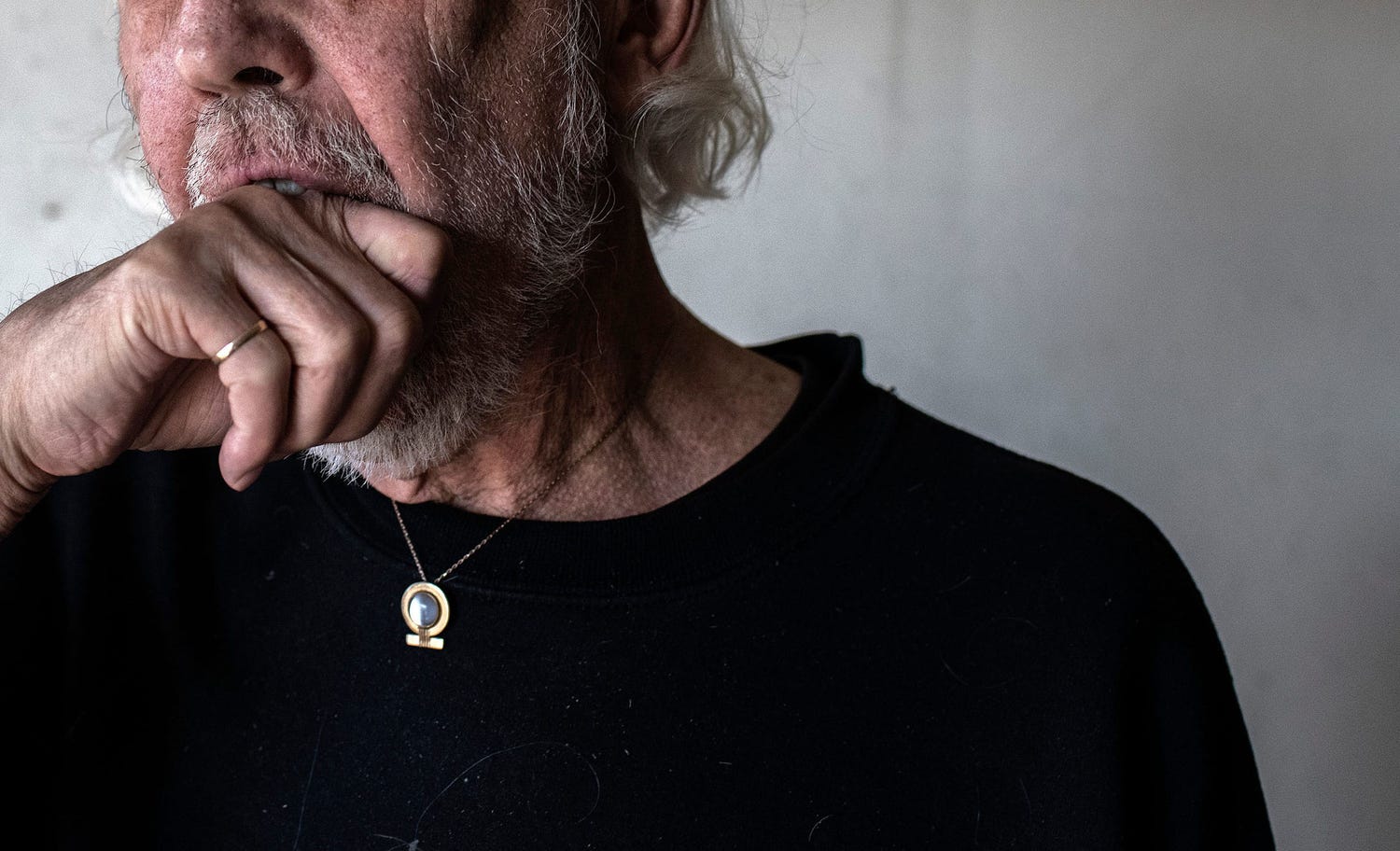
Peter searched for answers in the bodies of others, but he couldn’t disentangle himself from the abuse, couldn’t figure out where he stopped and the violation began.
Peter said, conservatively, that he has had sex with at least 2,000 people.
“I regret every minute of it,” he said.
When a person is victimized at a young age, switches can get turned on prematurely, which can lead to compulsive sexual behaviors. In some cases, promiscuity can also reflect abuse survivors trying to figure out their sexuality. Peter had his first orgasm during the course of his abuse. His arousal is associated with something terrible, and because he wasn't treated, psychologists say it's almost impossible for him to separate that from what he might have inherently desired.
“This perpetrator co-opted (his) entire sexual evolution,” said Abra Poindexter, a licensed independent clinical social worker and psychotherapist who specializes in working with trauma and LGBTQ issues. She has not treated Peter.
Peter describes himself as bisexual, though the label often doesn't feel right. He doesn't have emotional feelings toward male sexual partners. He can develop emotional feelings toward women but finds them so uncomfortable that he can't engage in an intimate sexual relationship.
Peter’s perplexity was likely exacerbated by being a boy in the 1950s perpetrated on by a man during a time when homophobia was rampant.
“I remember sitting in a bar with my best friend; I guess we were probably in college. He was talking – he was very straight. We got on the topic of sex or whatever, and he said, ‘I got to tell you, man, if I thought I was sitting across ... the table from a homosexual, I would get up and pick up this chair and bash him to smithereens because he wouldn't deserve to live.’”
There were several women with whom Peter felt a future could have been possible. But eventually he always felt he needed to escape.
"Norman took something from me that was the most intense violation of my life: He took my ability to love," Peter said.
Friends describe Peter as a contradiction. He's short-tempered, mercurial, often closed-off, but can also be charming and witty and attentive. Darius Batmanglidj, 54, lives a few miles from Peter in Denver. Darius said he enjoys spending time with Peter, but their friendship is strained by Peter's anger and depression. In 2017, after Peter’s bird, Barney, died, Darius said he hit a low.

“I don't remember exactly how it started, but he got verbally abusive over the phone with the people at his bank, and that did not end up well,” he said. “He asked me to take him down to the bank, which I did ... and he ended up getting arrested.”
Peter was found guilty of disturbing the peace.
Friends who’ve known Peter the longest also call him intelligent, scrupulously honest, decent and good. He feels and relates to others deeply. Injustice riles him. Peter can’t tolerate the sight of an abused animal. He does spiritual bodywork to try to heal other people’s brokenness. More than one of Peter’s friends says he has been there for them during the most bitter chapters of their lives.
Vivian Holmes, 72, met Peter at a spiritual group in Connecticut in the 1980s.
“If I couldn't drive, he would drive me someplace,” said Vivian, who has rheumatoid arthritis. “I've gone through several health issues and he's always there to check up on me. … Let's say you can't sleep and it's 10 o'clock at night and you want to go out and do something, he'll figure it out. You need someone to talk to, no matter what the time, you can call Peter.”
A few years ago, Nancy Gyuro-Sultzer, 70, was in the Denver area visiting her daughter when she saw an ad for a man doing energy work. She was intrigued, reached out and met Peter. He gave her a healing session, which uses sound and sometimes touch to improve health. They stayed connected.
Last year, Nancy decided to move to Denver to be closer to her daughter. A part of her hoped she and Peter could become closer, too. She was drawn to his spirituality, his vulnerability, his unusualness. But as her move approached, she said Peter's walls went up. By the time she relocated, Peter had withdrawn.
"He's kind of a mystery to me," she said. "He just kept telling me: ‘This is just me. This is just who I am. This is my story.’ I've heard him say that a number of times, ‘This is my story.’ One time he said, 'This is my story, which has become me over who I am.'"
'Oh God, Norm. I'm so sorry it's come to this'
Peter always wanted to know if there were other boys who said Norman abused them. He heard rumors about the summer Norman was fired but didn’t have details. Did he hurt other boys? How many?
Peter remembers several cabinmates, including Eldred French. Eldred grew up to become an arborist, married Lily and raised three daughters. He also served as a Democratic member of the Vermont State Senate.
Lily picked up the phone on a Monday afternoon and handed off to Eldred. He came to the line pleasant and at ease.
"I knew it was going to be Peter," he said when he learned who passed along his name.
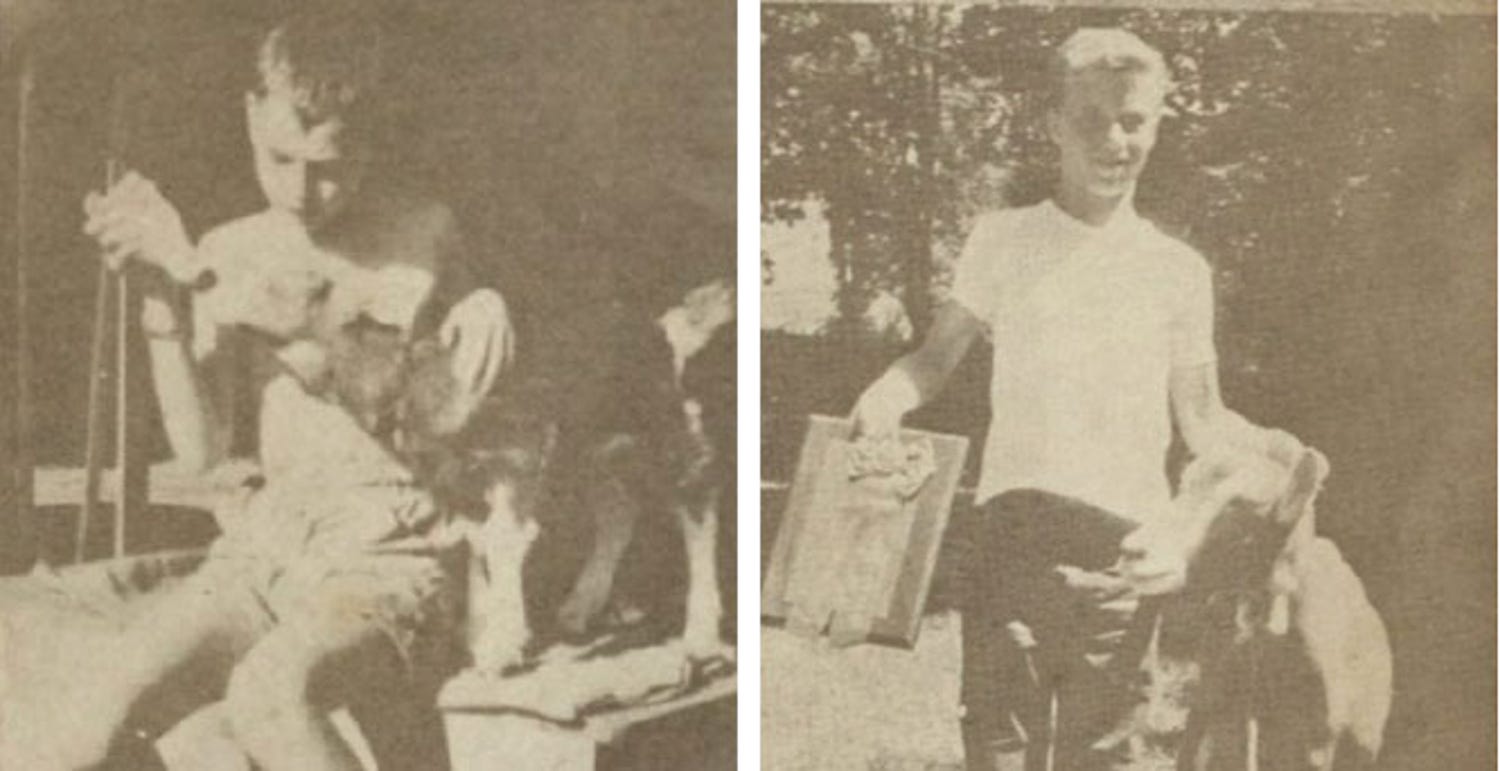
Eldred has not spoken to his former cabinmate since they were children, but Peter's older brother and Eldred's older brother, who also attended Najerog, remained in touch. Eldred had heard a few things over the years, whispers of an old friend's pain. Eldred and Peter had shared summers, innocence, boyhood. And something else, too.
"Norm Nicholson," Eldred said.
Eldred said Norman abused several boys in their cabin: himself, Peter and two others.
He said the four of them talked about it at camp, and he remembers this vividly, standing on the tennis courts as they broke silence. Peter has no memory of this. He has been looking for this answer for more than 60 years. Time can distort memories. Trauma can, too.
"We all talked about it, the four of us. We all knew and that was a really good thing for us at the time, to be able to talk about it," Eldred said. "It wasn't right away that we all admitted to each other, confided in each other. I'm sure it'd been going on for a little while, privately, but at one point we all realized we were in the same boat. And so that was a good thing for us, to be able to talk about it among ourselves."
Eldred remembers liking Norman. Admiring him.
"I guess they call that grooming," he said.
Eldred said he and Norman never spoke of the abuse or of keeping secrets. He said there was likely an understanding between them, which Eldred gathered the courage to breach. Afterward, Eldred said there was relief, but something else, too: compassion for Norman, which sexual violence experts say can happen when survivors feel a sense of connection and care toward the person who is abusing them. Survivors of child sexual abuse are also often groomed to feel the abuse is their fault and responsibility, and because of this can struggle with the possibility of the person committing the abuse getting in trouble.
"I eventually told my brother ... and he told the director, and that's why I got pulled out of our cabin, which we were all in, one night, and brought down to the main house," Eldred said. "And the director asked me a bazillion questions about what happened. And I told him all the truth, and shortly thereafter Norm was called on. And I was sitting back in the director's office and I got to see Norm actually on the outside of the door. And he was just given his walking papers. ... They just said, 'You're gone. You're out of here.' ... My memory of that is how sad his face was. We all, on a lot of levels, really liked Norm. This obviously made it different, but for me, for whatever reason at the time, my memory of seeing Norm leave there wasn't: 'Oh God, thank God. Get out of here you monster.' It (was): 'Oh God, Norm. I'm so sorry it's come to this.'"
'I never forgot it. I'll never forget it.'
Eldred revealed the names of two other boys who shared their cabin and who he said Norman also abused. USA TODAY located one: Doug Clapp, a retired Maine judge.
On a Friday afternoon, Doug's wife, Judy, called, affable and eager, responding to a message about Camp Najerog.
Judy said Doug has Parkinson’s disease, which can make it difficult to understand him on the phone. She said she'd stay on and translate when necessary. They sat together in his study, listening as a reporter resurrected the past. Peter. Eldred. What they said of their abuse.
"I remember them," Doug said. "What do you want to know?"
"Well, she wants to know if you're aware of any of that," Judy said.
"Yeah, I'm aware of them, I'm aware of it," he said. "I guess you could say I was part of it."
A beat later, he explained.
"I was also abused," he said.
Doug said he could remember the counselor's name, but when he tried to say it, it escaped him. It’s then that Judy started asking her own questions. She asked if Doug's older brother knew. No. She asked if his mother knew. He thought so.
"I remember my father talking to me about it," he said. His dad tried to bring it up on the golf course, but Doug was embarrassed and brushed it off.
"You don't think you told them?" Judy asked.
"The camp would have told them," he said.
"Kid (Gore) may have told them," Judy clarified.
"You didn't tell your dad, no doubt," she said.
"No, I didn't," he said.
"You might have told your mom," she said.
"No, I didn't tell her either," Doug said. "I haven't really spoken – you didn't even know about it."
"This is the first I'm hearing of it," Judy said.
Judy doesn't sound shaken. She and Doug have been together for more than half a century. In her eyes, she said it changes nothing.
"We're crazy about each other," she said.
Judy began to process out loud.
"Doug has always praised the camp, and Kid Gore and what he learned there," she said. "We have two sons, and three grandsons, and they've all benefited from that independence that Kid gave those guys. I mean, he can tell stories and stories about things he did there, and what he learned."
Eldred expressed the same. To both these men, Camp Najerog remains a singular place.
"Norm Nicholson," Doug blurted out.
"Norm?" Judy asked.
"Nicholson," Doug said.
It hung there. A revenant.
Doug said Norman liked vulnerable kids. He remembers he had a girlfriend who he brought to camp once. Doug said Norman would abuse boys in their cabin, sometimes while other children slept. He'd conceal it under a blanket. Read More...