The Past, Present, and Future of Spatial Biology
-
 Loading...
 - Alice Barone
- 10 Dec 2024
- 42 Views
- 0 Like
- 0 Comment
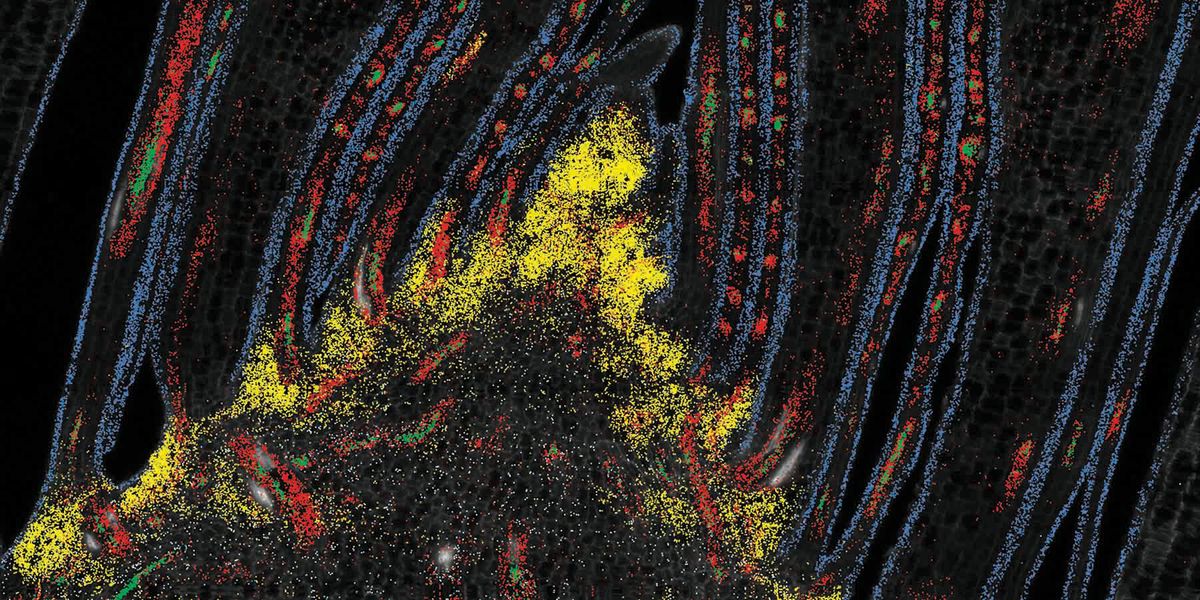
Spatial biology is revolutionizing how scientists understand the organization and interaction of cells within tissues. This innovative field merges the principles of biology, technology, and imaging to provide a deeper understanding of biological systems, disease mechanisms, and therapeutic opportunities. Let's explore the past, present, and future of spatial biology.
In the past, foundational techniques in spatial biology were limited and primarily focused on understanding the molecular compositions of cell populations. The development of in situ sequencing technology marked a significant advancement, allowing researchers to visualize and analyze the spatial arrangement of cells within tissues. Additionally, the emergence of single-cell RNA sequencing paved the way for spatial biology by providing detailed insights into individual cell types and their functions.
Currently, spatial biology is undergoing a transformation, driven by technological innovations. Platforms like the Xenium In Situ are at the forefront, offering high-plex panels and enhanced cell segmentation, which facilitate more efficient data collection and analysis. However, as the field grows, researchers face challenges in integrating and analyzing large datasets, necessitating robust bioinformatics tools. A significant focus of current research is on understanding complex tissues, particularly tumors, which exhibit considerable variability and complexity.
Looking to the future, spatial biology is expected to see a reduction in costs associated with data collection and analysis, allowing for larger studies and broader applications across various fields, including cancer research. There will likely be an increased focus on easily analyzable tissues initially, with a gradual expansion into more complex tissues like the brain and bone. Furthermore, the validation of spatial imaging data will increasingly rely on existing datasets, enhancing the reliability of findings. As the field matures, it is anticipated that single-cell spatial imaging will become a standard requirement in research publications, emphasizing the importance of spatial context in understanding cellular functions.
By understanding these aspects, researchers can better appreciate the trajectory of spatial biology and its potential impact on future biomedical research and clinical practices.