The Power of Leading Lines in Photography
-
 Loading...
 - Alvin Gagne
- 15 Aug 2024
- 43 Views
- 0 Like
- 0 Comment
Leading lines are a fundamental concept in photography composition that can instantly grab the viewer's attention and create a sense of depth and movement in an image. In essence, leading lines are visual guides that direct the viewer 's eye to the main subject or focal point of the photograph.
What are Leading Lines?
Leading lines can be any continuous feature in an image that leads the viewer's eye to the subject. These lines can be created by various elements such as roads, paths, shorelines, branches, or any other continuous feature that forms a line. The key is to find a line that naturally leads the viewer's eye to the subject, creating a sense of flow and direction.
Types of Leading Lines
There are several types of leading lines that photographers can use to create visually appealing images:
- Diagonal Lines: Diagonal lines are one of the most effective types of leading lines. They create a sense of dynamic movement and energy, drawing the viewer's eye to the subject.
- Curved Lines: Curved lines can add a sense of softness and elegance to an image. They are particularly effective in landscapes and portraits.
- Horizontal Lines: Horizontal lines can create a sense of stability and calmness. They are often used in landscapes and architectural photography.
- Vertical Lines: Vertical lines can create a sense of grandeur and power. They are often used in cityscapes and architectural photography.
How to Use Leading Lines in Your Photography
Using leading lines in your photography is all about being mindful of the composition and finding the right elements to create a visually appealing image. Here are some tips to get you started:
1. Placement is key
The position of your leading line within the frame can make all the difference. Experiment with different angles and perspectives to find the most impactful placement. For example, a diagonal line running from the bottom left to the top right can create a sense of dynamism and energy, while a horizontal line may convey a more calming, serene mood.
2. Consider the direction
The direction of your leading line is also crucial. Lines that lead the eye towards the main subject or point of interest will be far more effective than those that lead the viewer out of the frame or towards a less significant element.
3. Use contrast
Leverage the power of contrast to make your leading lines pop. Shoot against a plain, uncluttered background or use complementary colors to make the lines stand out and draw the eye.
4. Experiment with depth
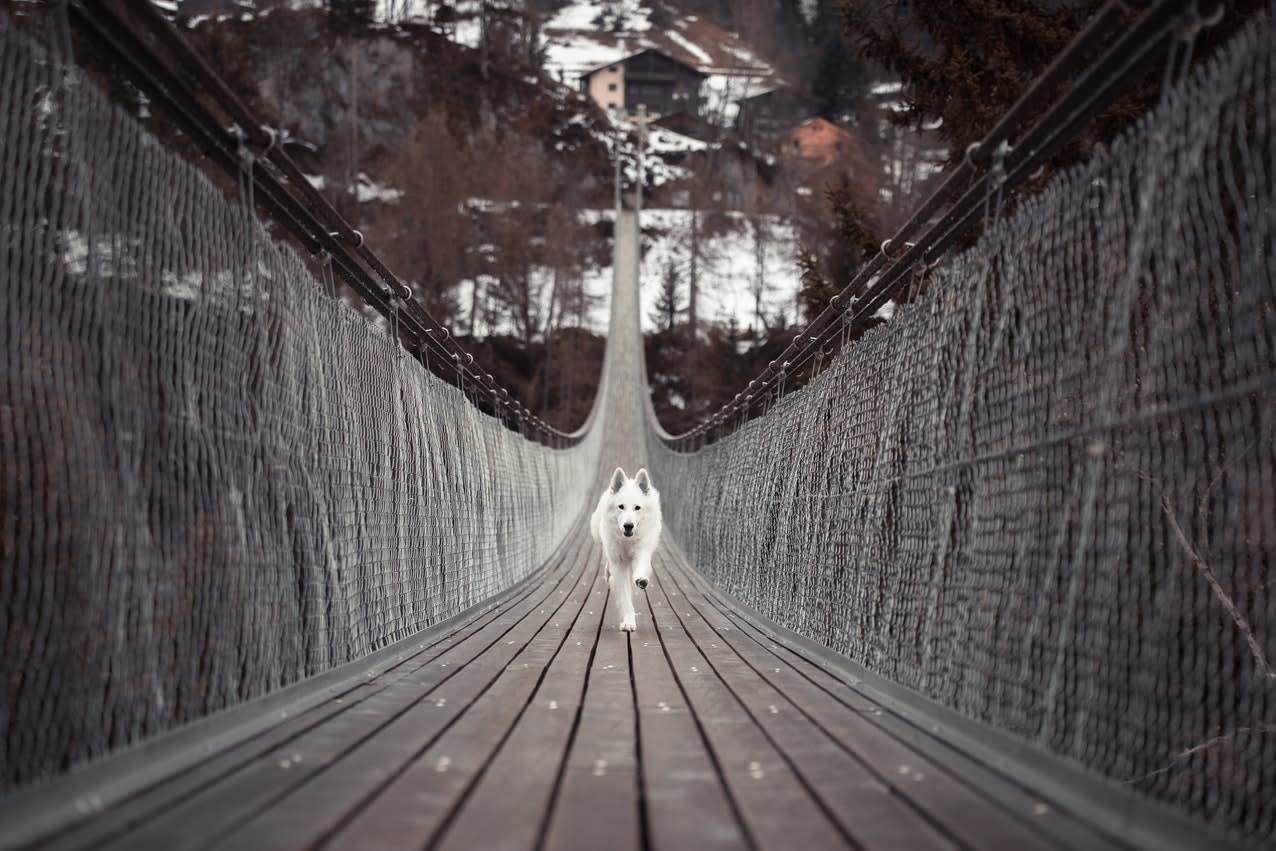
Leading lines don't just work in two dimensions - they can also create a powerful sense of depth and perspective. Look for lines that recede into the distance, such as roads, train tracks, or architectural features, to add a sense of three-dimensionality to your images.
5. Combine with other techniques
Leading lines pair beautifully with other compositional tools, such as the rule of thirds, framing, and the use of symmetry. Experiment with different combinations to find what works best for your particular scene and subject matter.
Examples of Leading Lines in Photography
To better understand the power of leading lines, let's take a look at some real-world examples:
1. Road to the Mountains
In this stunning landscape shot, the winding road leading up to the majestic mountains serves as a powerful leading line. The line draws the viewer's eye up and into the frame, creating a sense of depth and drawing attention to the breathtaking mountain range in the distance.

2. Architectural Elegance
The sweeping staircase in this image acts as a graceful leading line, guiding the viewer's gaze up towards the ornate architectural details above. The symmetry and repetition of the steps add a sense of rhythm and balance to the composition.
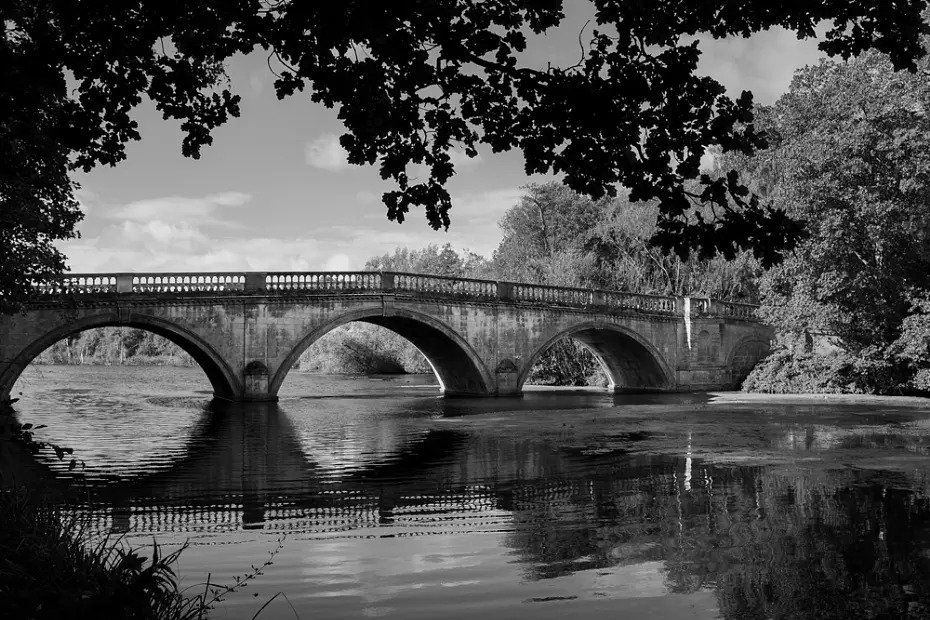
3. Reflective Perfection
The still, mirror-like surface of the water in this photograph creates a captivating leading line that reflects the surrounding trees and sky. The reflection doubles the visual impact, drawing the eye deep into the frame and creating a sense of depth and tranquility.

4. Converging Train Tracks
The converging train tracks in this image create a powerful leading line that draws the viewer's eye straight towards the distant horizon. The lines' gradual convergence creates a sense of depth and perspective, while the overall symmetry and balance of the composition add a touch of visual elegance.
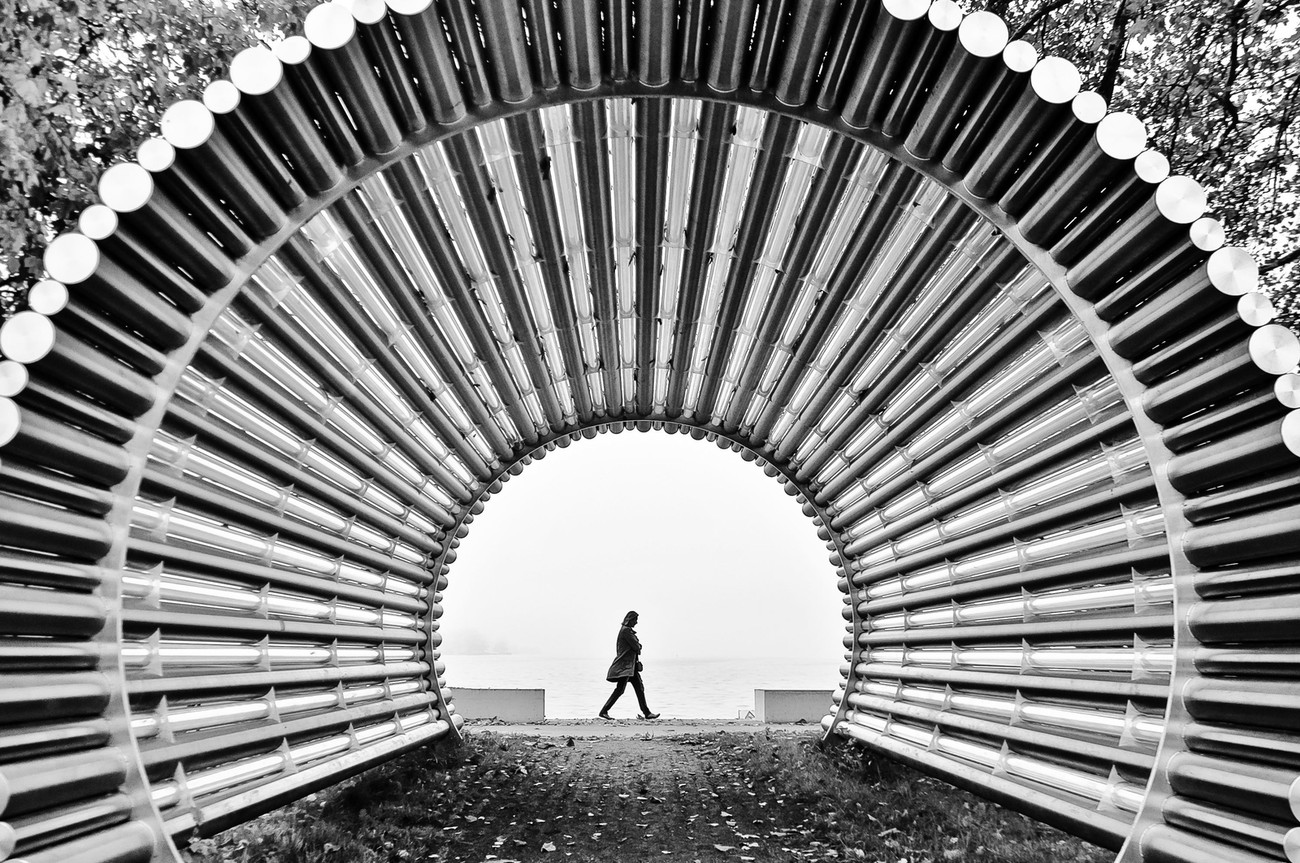
5. Dramatic Diagonals
In this striking image, the diagonal lines of the wooden beams create a sense of dynamism and tension, leading the eye directly towards the dramatic, moody sky above. The bold, angular lines add a touch of drama and energy to the scene.
Conclusion
The power of leading lines in photography is undeniable. By leveraging this transformative compositional tool, you can elevate your images, create a sense of depth and drama, and guide the viewer's eye exactly where you want it to go. So the next time you're out shooting, keep your eyes peeled for those captivating lines - you never know where they might lead you.