Bokeh in Photography: Understanding and Utilizing the Creative Power of Blur
-
 Loading...
 - Thomas Mdenfiture
- 03 Oct 2024
- 41 Views
- 0 Like
- 0 Comment
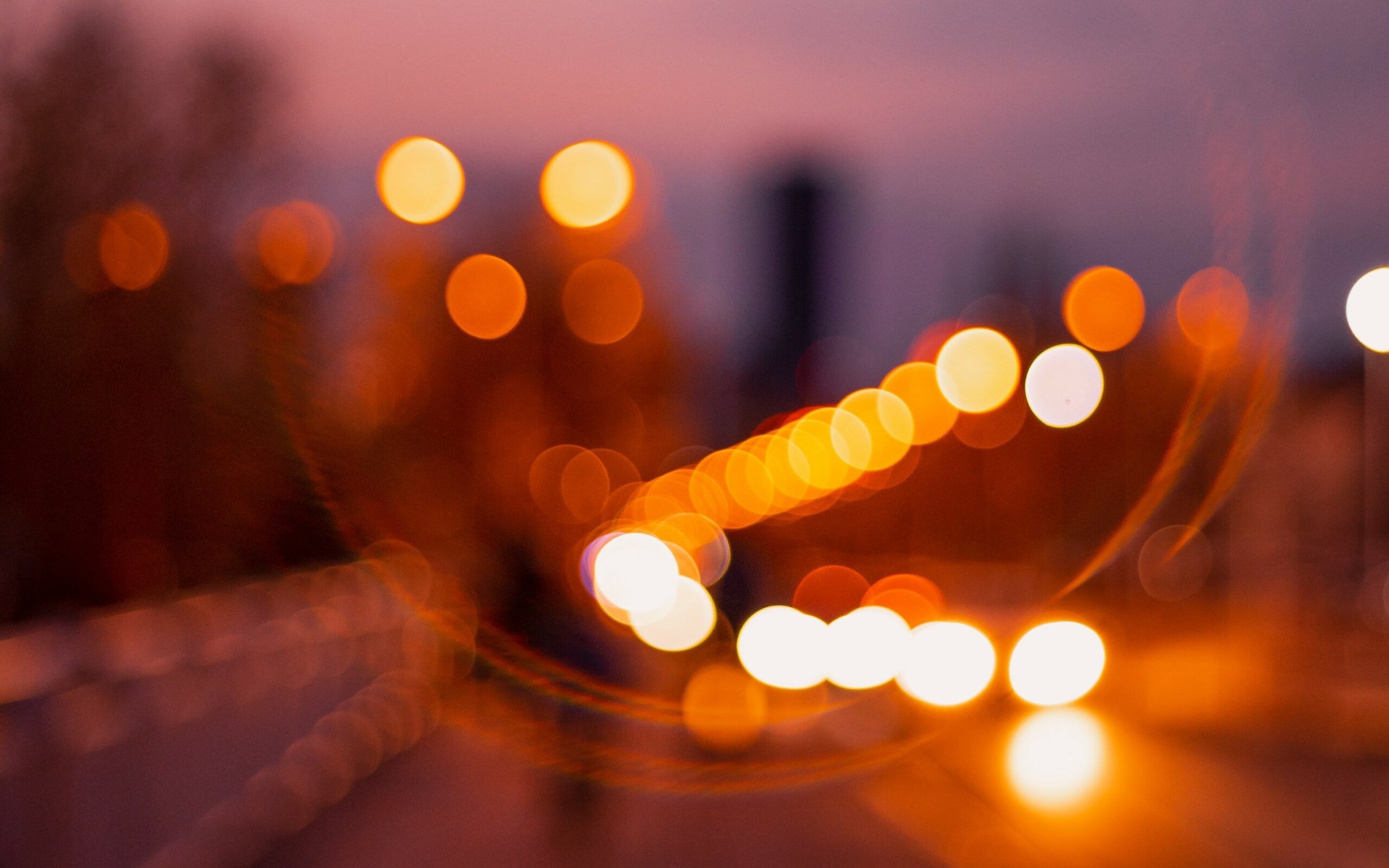
Bokeh, a Japanese term, refers to the aesthetic quality of the blur produced in the out-of-focus parts of an image, typically in the background. In photography, bo keh is used to isolate the subject from the background, creating a visually appealing effect that draws the viewer's attention to the subject.
What is Bokeh in Photography?
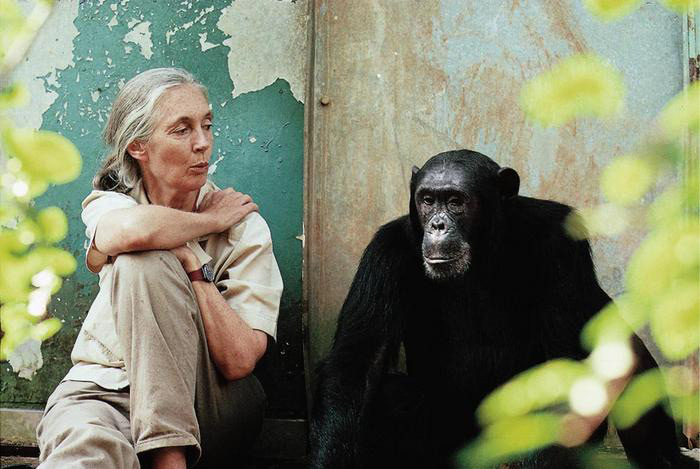
Bokeh is the visual quality of the out-of-focus areas of a photographic image, especially those rendered by a particular lens. It is a key element in photography, particularly in portrait and wildlife photography, where the goal is to separate the subject from the background.
How to Achieve Bokeh
To achieve bokeh, photographers use a combination of techniques, including:
- Aperture: A large aperture (small f-stop number) creates a shallow depth of field, which is essential for bokeh.
- Focal Length: A longer focal length lens (e.g., 85mm or 200mm) is more likely to produce bokeh than a shorter focal length lens (e.g., 24mm or 35mm).
- Subject-to-Background Distance: The greater the distance between the subject and the background, the more pronounced the bokeh will be.
Types of Bokeh
There are different types of bokeh, including:
- Good Bokeh: A pleasing, creamy blur that enhances the image.
- Bad Bokeh: A distracting, harsh blur that detracts from the image.
Bokeh in Photography
Bokeh is a powerful tool in photography, allowing photographers to:
- Isolate the Subject: Bokeh helps to separate the subject from the background, creating a sense of depth and dimensionality.
- Create Mood and Atmosphere: Bokeh can be used to create a sense of intimacy, mystery, or drama in an image.
Example of Bokeh in Photography
Here is an example of bokeh in photography:
- Image: A portrait of a person with a blurred background, taken with a 85mm lens at f/1.4.
- Effect: The bokeh creates a sense of intimacy and isolation, drawing the viewer's eye to the subject's face.
Tips for Achieving Bokeh
Here are some tips for achieving bokeh in your photography:
- Use a Prime Lens: Prime lenses tend to produce better bokeh than zoom lenses.
- Shoot in Low Light: Low light conditions can help to create a more pronounced bokeh.
- Experiment with Different Apertures: Try different aperture settings to achieve the desired level of bokeh.
Conclusion
Bokeh is a fundamental aspect of photography, and understanding how to use it effectively can elevate your images to the next level. By mastering the techniques of aperture, focal length, and subject-to-background distance, you can create stunning images with beautiful bokeh that draw the viewer's eye to the subject.
By following these tips and practicing your skills, you can master the art of bokeh and take your photography to the next level.