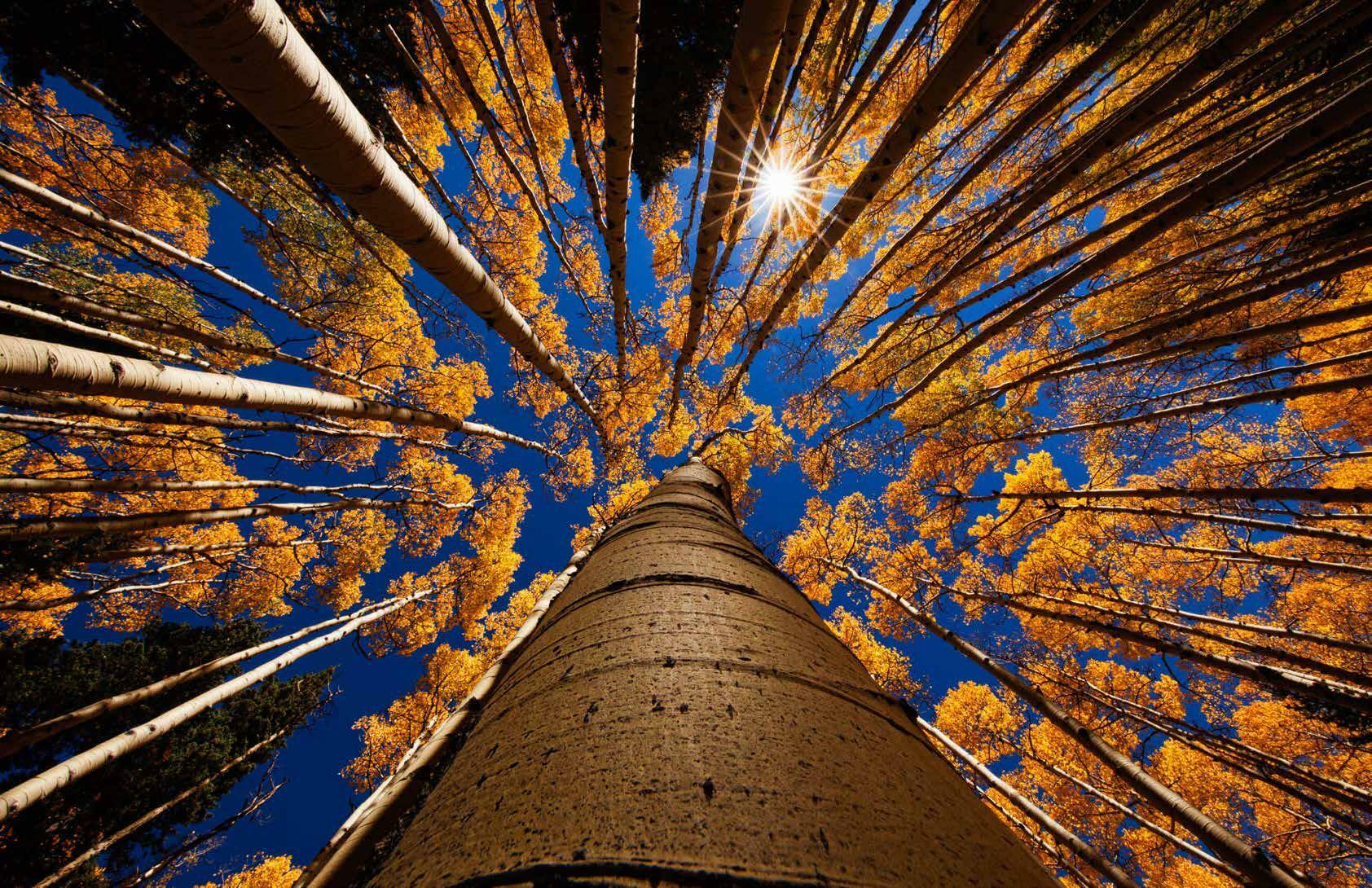
5 Composition Tips for Low-Angle Photography
-
 Loading...
 - jenson alice
- 07 Oct 2024
- 40 Views
- 0 Like
- 0 Comment
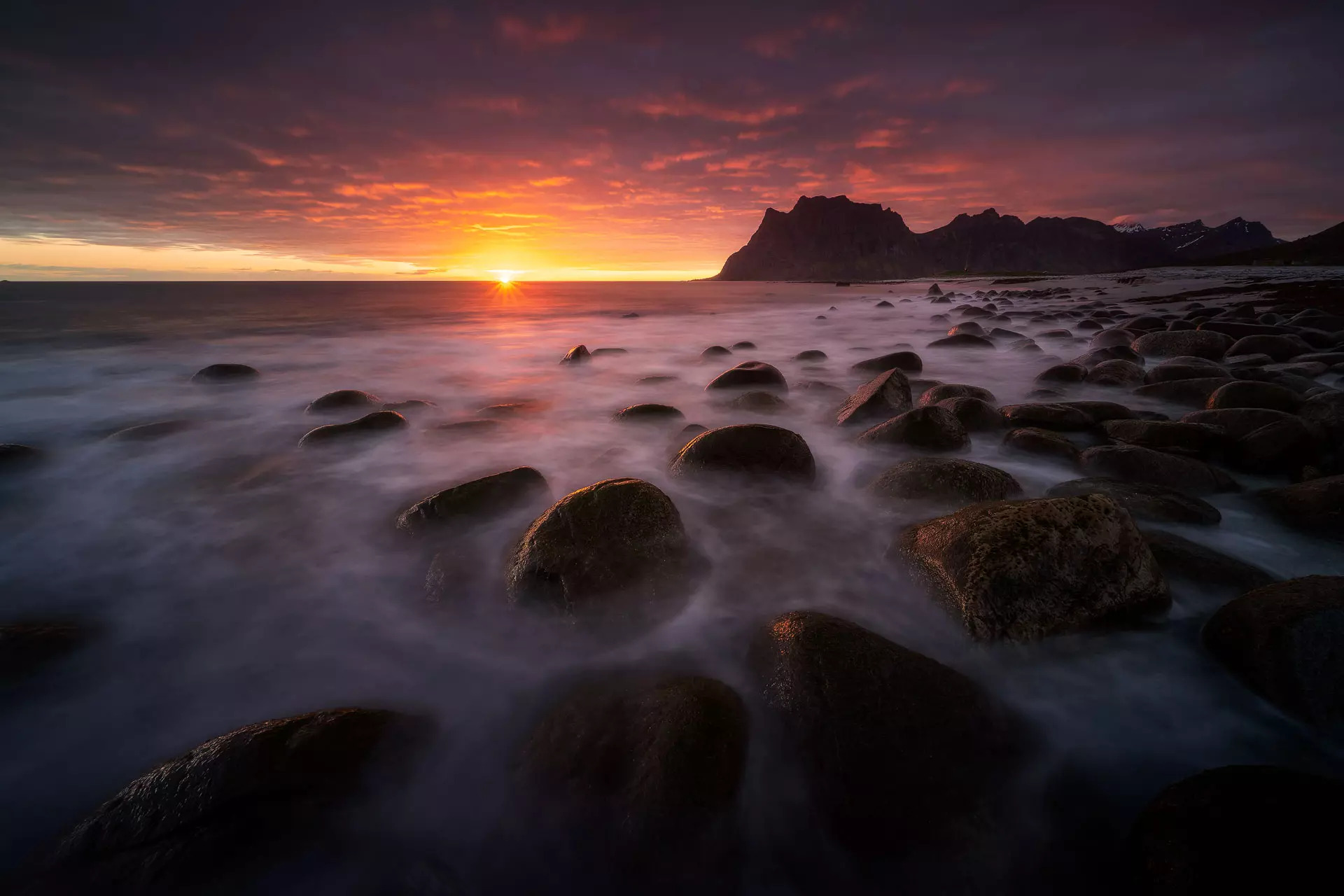
Low-angle photography is a powerful technique that can add drama, depth, and emotion to your images. By shooting from a low vantage point, you can create a sense of wonder, power, and grandeur in your subjects. In this article, we'll explore five essential tips for mastering low-angle photography and taking your composition to the next level.
Tip 1: Understand the Effects of Low-Angle Photography
Low-angle photography can exaggerate the proportions of your subject, making them appear larger and more imposing. This can be particularly effective in portrait photography, where a low angle can create a sense of power and dominance. However, it's essential to understand how low-angle photography affects the perceived height of your subject and the surrounding environment.
- Use a low angle to create a sense of power and dominance in your subject
- Exaggerate the proportions of your subject to create a sense of grandeur
- Be mindful of the perceived height of your subject and the surrounding environment
Tip 2: Experiment with Extreme Low Angles
Extreme low angles can add an extra layer of drama and tension to your images. By shooting from an extremely low vantage point, you can create a sense of unease or disorientation in the viewer. This can be particularly effective in abstract or experimental photography, where the goal is to create a unique and thought-provoking image.
- Experiment with extreme low angles to add drama and tension to your images
- Use a wide-angle lens to capture more of the scene and create a sense of unease
- Be mindful of the viewer's perspective and how it may affect their interpretation of the image
Tip 3: Use Leading Lines to Guide the Viewer's Eye
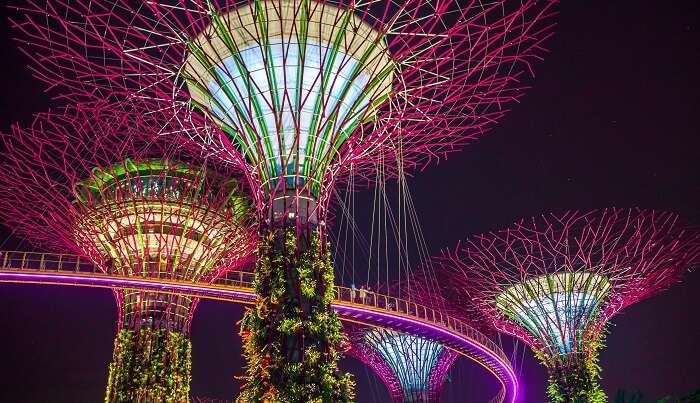
Leading lines are an essential element of composition in low-angle photography. By using vertical or diagonal lines to guide the viewer's eye, you can create a sense of depth and dimensionality in your image. This can be particularly effective in architectural or landscape photography, where the goal is to create a sense of grandeur and scale.
- Use leading lines to guide the viewer's eye and create a sense of depth
- Look for vertical or diagonal lines in your scene that can be used as leading lines
- Experiment with different angles and perspectives to find the most effective leading lines
Tip 4: Play with Perceived Sizes and Heights of Subjects
Low-angle photography can be used to play with the perceived sizes and heights of your subjects. By shooting from a low vantage point, you can create a sense of power and dominance in one subject while making another appear smaller and more vulnerable. This can be particularly effective in portrait photography, where the goal is to create a sense of drama and tension.
- Use low-angle photography to play with the perceived sizes and heights of your subjects
- Experiment with different angles and perspectives to find the most effective way to create a sense of power and dominance
- Be mindful of the viewer's perspective and how it may affect their interpretation of the image
Tip 5: Put a New Spin on Your Background
Low-angle photography can be used to put a new spin on your background and create a sense of depth and dimensionality. By shooting from a low vantage point, you can create a sense of grandeur and scale in your image. This can be particularly effective in architectural or landscape photography, where the goal is to create a sense of wonder and awe.
- Use low-angle photography to put a new spin on your background and create a sense of depth
- Experiment with different angles and perspectives to find the most effective way to create a sense of grandeur and scale
- Be mindful of the viewer's perspective and how it may affect their interpretation of the image.