What is Live View in Photography? (And Why it Matters)
-
 Loading...
 - Dhakiya Moraa
- 02 Aug 2022
- 87 Views
- 0 Like
- 0 Comment
Live View for Landscape Photography
Do you use the Live View function on your camera? It’s a function found in most digital cameras that allow you to see exactly what the camera sees.
This is, for many, a tool that makes photography a lot easier as it has a great impact on your in-field workflow (and it makes it easier to understand the fundamental camera settings)
Keep reading and you’ll learn everything you need to know about getting started with your camera’s Live View function.
What is Live View?
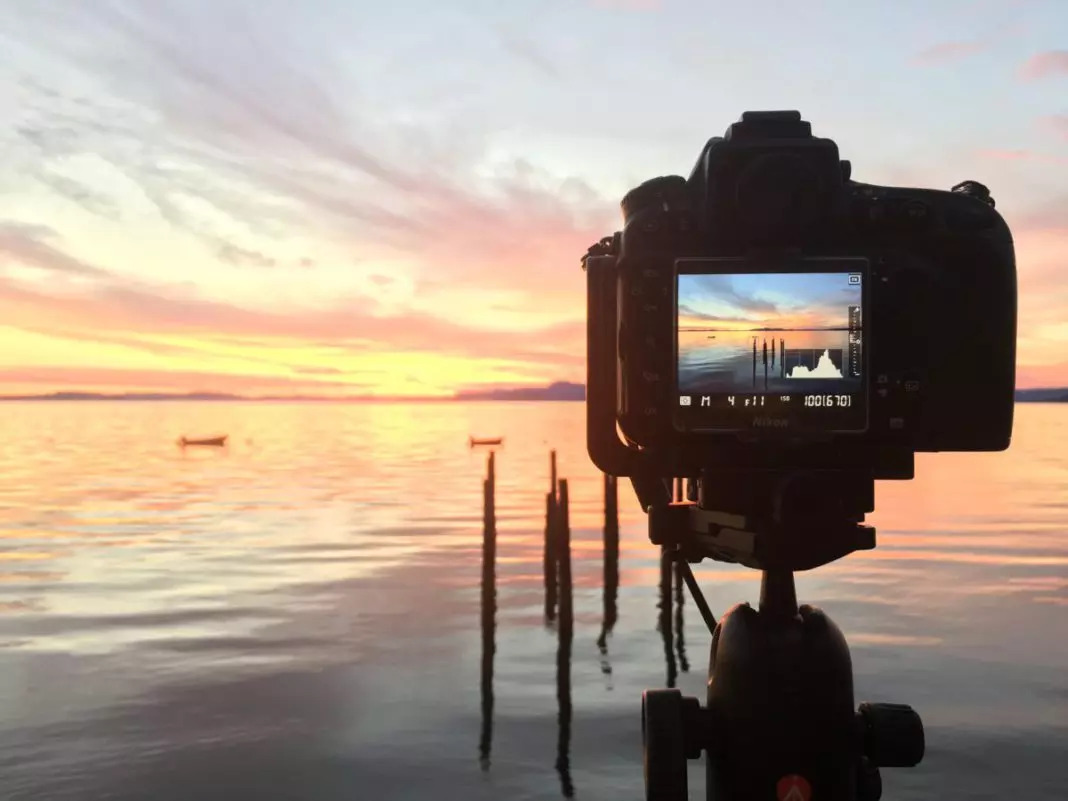
Live View is a neat function that uses the LCD screen to display exactly what the camera sees at any time. This tool is available in the majority of modern digital cameras, though additional functions or modes might vary from camera to camera.
This might sound similar to the Optical Viewfinder but when using Live View, you can see the real-time impact adjusting a camera setting has on the photo. For example, if you change to a quicker shutter speed, the Live View displays a darker image than before. This is a real-time change.
You can think of the Live View as an Optical Viewfinder but on a bigger screen that also shows additional information such as
· Live Exposure
· Live Histogram
· Grid View(s)
· EXIF data
· Spirit Level
· … and more
Exactly which additional functions you can see depends on the specific camera you’re using but the above are the most common.
You might not use all the extra functions at once but know that each of them can have a big impact on your workflow. For example, the Grid View is good to use when setting up a composition, the Live Histogram is good for making sure that you’re not over- or under-exposing, and the Spirit Level is useful to make sure the image is level. Read More…