Dark Food Photography Guide
-
 Loading...
 - Ducha Tanui
- 02 Aug 2022
- 88 Views
- 0 Like
- 0 Comment
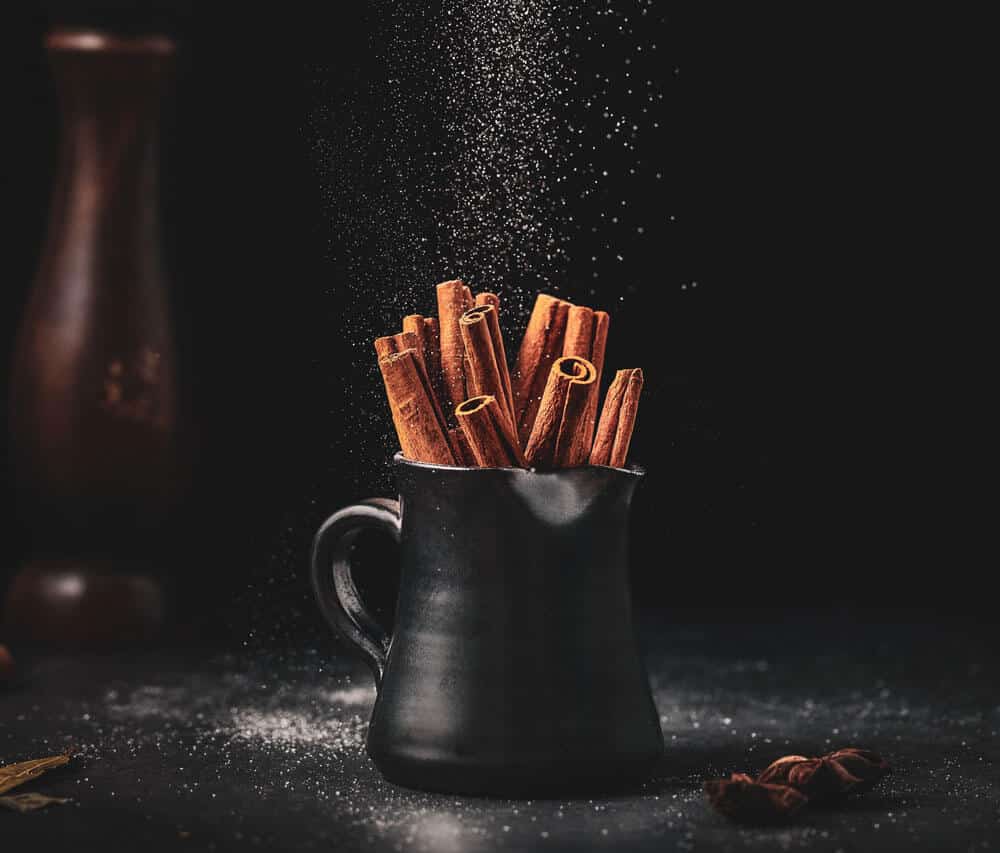
The composition of the photographs is reminiscent of paintings from old masters such as Rembrandt and Vermeer. The pictures are imbued with a dark, moody, and rusty feel, and are sometimes highly sought after in the world of food photography.
In this guide, we will cover the basics of dark food photography and go through some tips to help you master this technique.
Dark Food Photography Props
As an important element of this style, props create the right atmosphere for the picture. The usage of props only enhances the attractiveness of your food. Props give the image an old and antiquated feel to the picture. Props that are beaten up, scuffed, or are simply old, work best.

The best place to pick up props for dark food photography is not in boutiques and stores, but rather old markets and antique shops. You might also find some in your attic or cupboard shelves. Strategically placing these elements in the background, you will be able to create a stark contrast between the food item and the background.
Dark Food Photography Background
The purpose of dark food photography is to draw the attention of the viewers to the subject of the photo – the food. The idea is to make the subject the most visible part of the image while keeping the background in the shadows.

Dark and muted props along with black surfaces and backgrounds work best. Using white dishes and props will create too much contrast and take the focus away from the food.
The Importance of Light in Dark Food Photography
In dark food photography, light is used to bring attention to the food. When shooting these pictures, it is important to carve and shape the light so that your subject is in the spotlight.
On the flip side, you can also use the shadows from the light to shroud the subject. To create moody images, you can use side and back lights. Another good advice would be to ensure that the light does not fall directly on the food item. You should also use black cardboard to get appropriate shadows for the images. Read More…