Introduction to ISO in Digital Photography
-
 Loading...
 - Duni Nasimiyu
- 02 Aug 2022
- 92 Views
- 0 Like
- 0 Comment
Either you’ve just purchased your first camera or you’ve used one for years, there’s one thing we can agree on: learning the fundamentals is overwhelming. What even is the ISO?!
There are so many camera settings and factors to be aware of but all you want to do is take a nice photo! Can’t you just stick to shooting in automatic mode and forget about learning the settings? I mean, the photos don’t look that bad. Right?
The truth is that there’s a reason why your favorite photographers have all taken the time to learn this. Knowing how to operate your camera gives you more flexibility than you would have otherwise. That is what allows you to get more creative.
I know it seems hard but trust me, it’s not as bad as it feels. With a little practice, this will soon be second nature and you’ll be able to capture even better images than what you are right now.
The ISO is one of the three fundamental camera settings and the one that will do the most damage to your image files if not used correctly. So, let’s take a deep breath and take a closer look at ISO in digital photography:
What is ISO?
The technical aspects of ISO are confusing and, for most, unnecessary to understand. I’ve chosen to simplify some of the explanations below in order to make this as easy-to-understand. I recommend this article from Tutsplus if you’re looking for an advanced technical explanation.
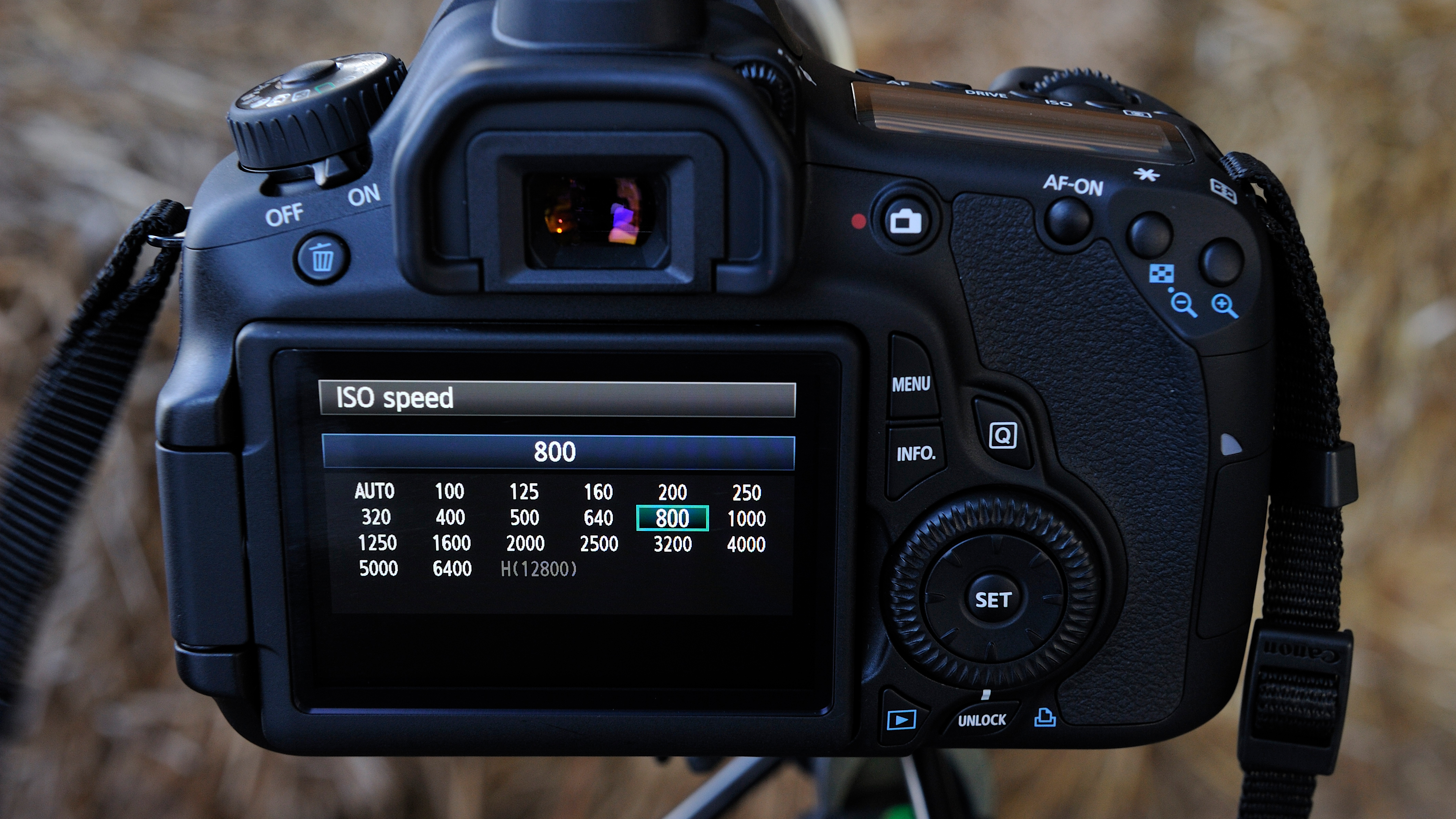
While it might not be technically correct, the most common way of explaining the ISO is by saying that the ISO expresses your camera’s sensitivity to light or measures the sensitivity of the image sensor.
This means that a higher ISO value makes the camera more sensitive to light, while a lower value makes it less sensitive.
In other words, the higher the ISO you use, the quicker shutter speed or narrower aperture you need in order to get a correctly exposed image. A low ISO means the camera is less sensitive to light and you need a longer shutter speed or wider aperture.
You can think of the ISO as a waterwheel. When ISO is low, the waterwheel spins slowly without spilling any water. This allows you to transfer all the water without any loss but it takes more time.
With a higher ISO, the waterwheel spins faster but spills a lot of water in the process. It takes less time but with big losses of water, or a loss in quality if you prefer. Read More…