5 Tips to Photograph Raindrops
-
 Loading...
 - Roseline Ngugi
- 08 Oct 2024
- 42 Views
- 0 Like
- 0 Comment
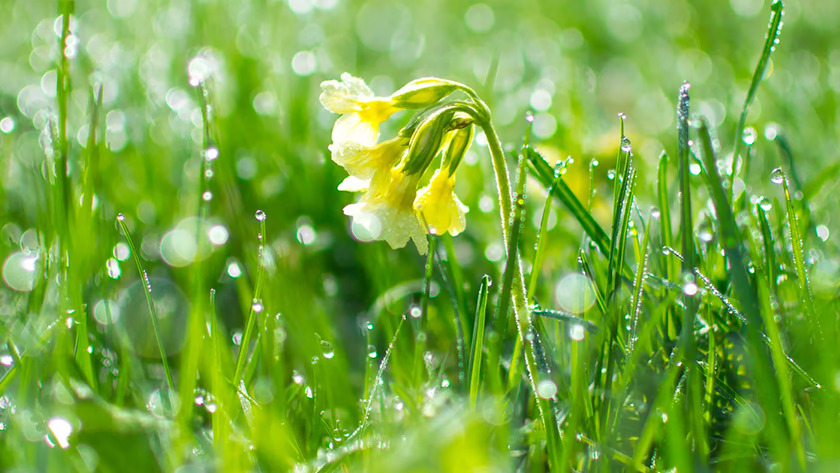
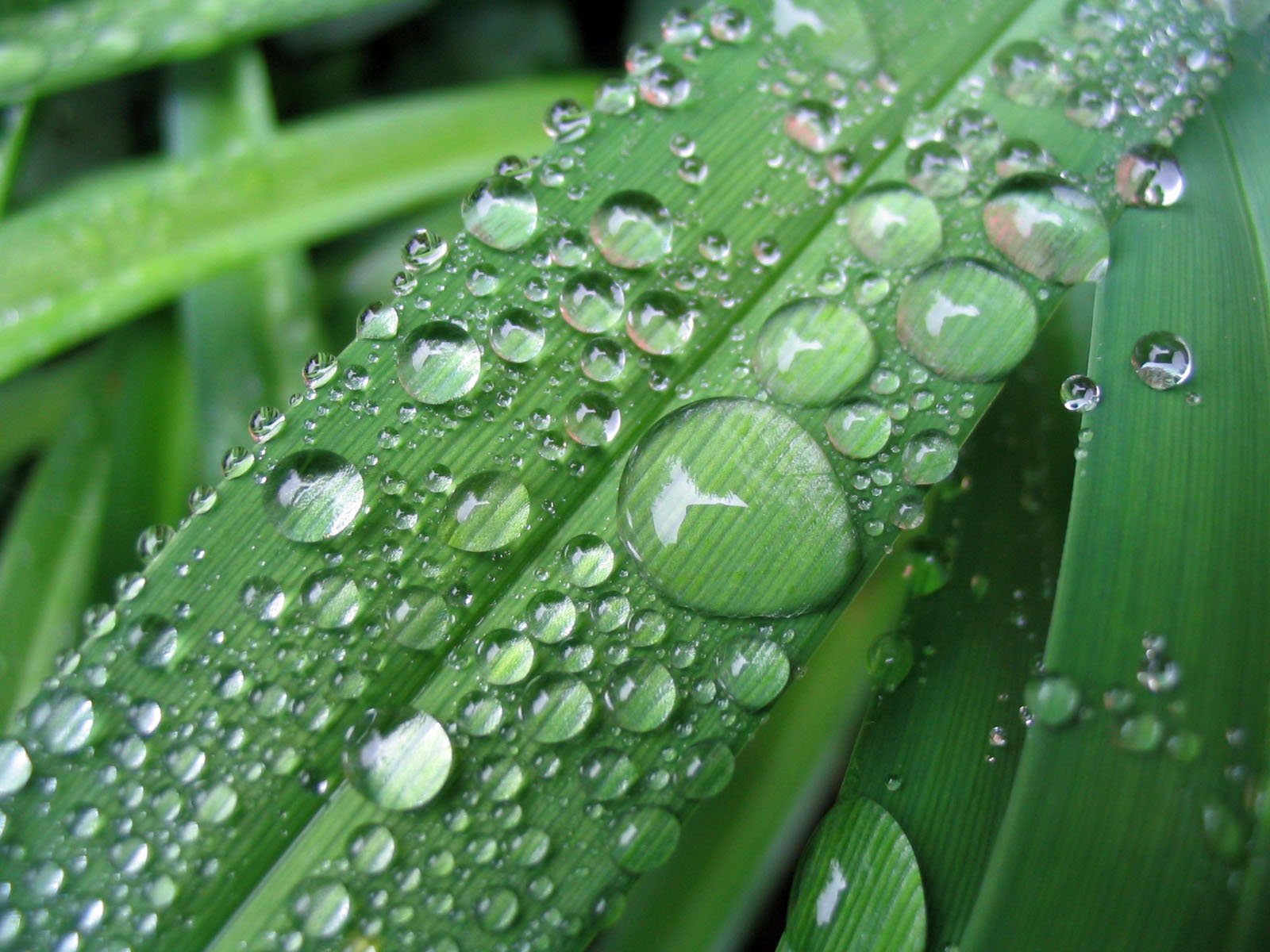
Photographing raindrops can add a unique and captivating element to your photography. Whether you're capturing portraits, landscapes, or still-life images, raindrops can bring a sense of freshness and drama to your shots . Here are five tips to help you photograph raindrops like a pro:
Tip 1: Use the Right Aperture
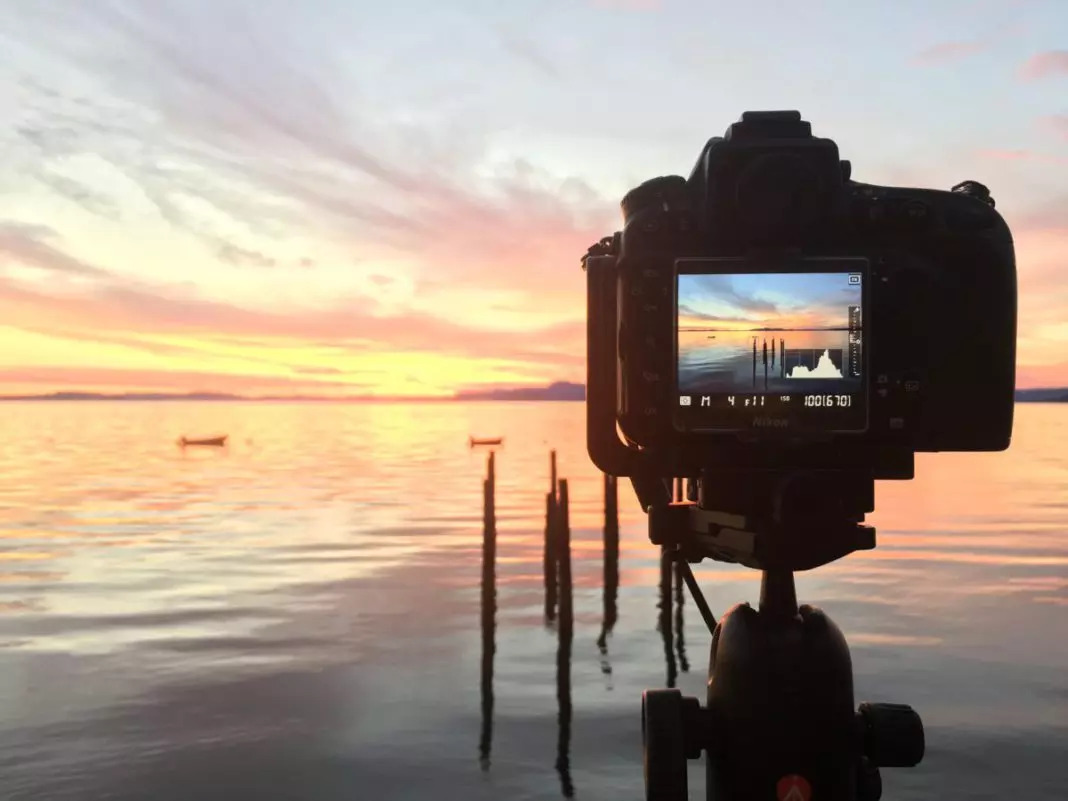
When it comes to photographing raindrops, the aperture is crucial. A wide aperture (like f/2.8 or f/4) will result in a shallow depth of field, making only a thin sliver of raindrops in focus. On the other hand, a narrow aperture (like f/11+) will make the background too sharp and distracting. The sweet spot is around f/8, but feel free to experiment and find what works best for you.
Tip 2: Backlight the Subject
Shooting into the sun or any available light will help illuminate the raindrops, making them stand out against the background. This technique is especially effective when combined with a dark background, which will help the raindrops pop even more.

Tip 3: Find a Dark Background
A dark background will help the raindrops stand out, especially if they're light in color. Try to find a background that will provide good tonal separation, and then play around with the sliders in Lightroom or Photoshop to make it even more obvious.
Tip 4: Add Drama with Storm Clouds
Rain often comes with dramatic storm clouds, which can add a sense of drama and atmosphere to your images. Try to capture the contrast between a sunlit landscape and dark, threatening skies in the background.
Tip 5: Experiment with Shutter Speed
The shutter speed will greatly affect the way the raindrops appear in your image. A fast shutter speed (1/1000+ of a second) will freeze the raindrops, making them appear small and round. A slow shutter speed (anything less than 1/100) will result in long, blurred streaks that are quite faint. Experiment with different shutter speeds to find the effect that works best for you.