The Rise of Ethiopian Art on the Global Stage: Insights from Curator Mifta Zeleke
-
 Loading...
 - Alice Kojo
- 19 Dec 2024
- 49 Views
- 0 Like
- 0 Comment
Mifta Zeleke, a prominent curator and educator in Ethiopia, is reshaping perceptions of Ethiopian contemporary art on the global stage. With over 15 years of experience in the art scene, Zeleke emphasizes the complexity and richness of African art, challenging the notion that it is merely traditional or folkloric. He believes that for Ethiopian art to expand its potential, growth must originate from within the country rather than relying on external influences.
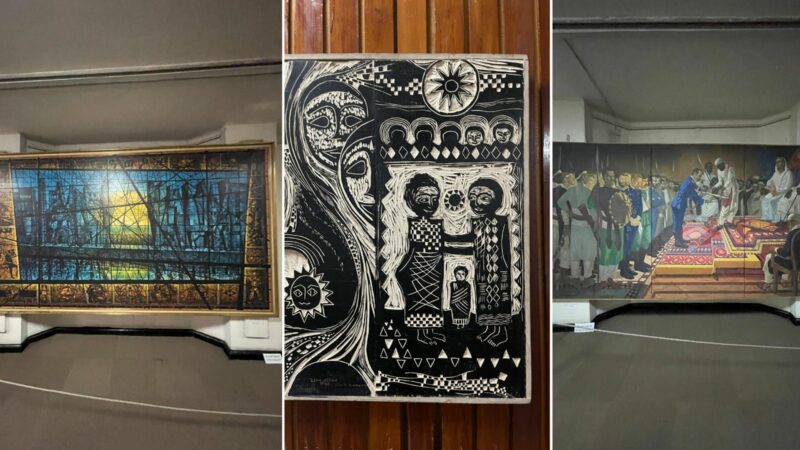
Zeleke, who is also the founder of the Guramayne Art Center, has dedicated his career to supporting young and emerging artists. His recent exhibitions, such as one featuring the work of Mulugeta Tafesse, critique capitalism and political developments in Ethiopia, highlighting the vital role of the Ethiopian diaspora in the art scene. During a visit to Addis Ababa, Zeleke provided insights into Ethiopia’s artistic heritage and the challenges and opportunities facing its contemporary art community.

In an interview with Global Voices, Zeleke discussed the factors driving the rise of Ethiopian artists on the global stage. He attributes this growth to the strong tradition of art education in Ethiopia, particularly at the Alle School of Fine Art and Design, established in 1957. The school has evolved to incorporate global perspectives, thanks to faculty members who studied abroad and introduced contemporary approaches to art education. This shift has allowed Ethiopian artists to engage with modern and contemporary art, fostering a diverse and dynamic artistic environment.

Zeleke acknowledges the global surge in interest in African art but questions whether Ethiopia has fully benefited from this momentum. While some countries have successfully connected with international platforms, Ethiopian artists often face challenges in gaining recognition and support. The growth of the art scene in Ethiopia is primarily driven by local efforts, with artists, curators, and galleries pushing boundaries to create meaningful work.
Zeleke highlights the misperceptions surrounding African art, particularly the tendency to view it as a monolithic entity. He argues that Africa's diverse artistic traditions are often oversimplified, leading to a limited understanding of the complexities and contributions of modernist African artists. He emphasizes the need for a more nuanced appreciation of Ethiopian art, which encompasses a rich tapestry of influences and ideas.
Despite the vibrant artistic community in Ethiopia, Zeleke points out systemic challenges, including a lack of dedicated contemporary art institutions and robust art programs in universities. The absence of a national art policy hampers curatorial work and limits opportunities for artists. However, these challenges also present opportunities for curators to create meaningful platforms and connect Ethiopian art with global networks.
The contributions of Ethiopian artists in the diaspora are significant, yet the lack of formal institutions to facilitate connections limits their impact. Artists like Julie Mehretu, Mulugeta Tafesse, and Aida Muluneh have made strides in promoting Ethiopian art internationally. Zeleke is actively working to bridge the gap between the local art scene and the global art world through initiatives like the Guramayne Art Center.
Zeleke reflects on the impact of the 1-54 Contemporary African Art Fair, which has become a major platform for African art. His experience with the fair has shown that while Ethiopian artists have gained visibility, there is still room for growth. Expanding art fairs to more African countries could enhance recognition for artists and address the challenges they face in gaining global exposure.
Mifta Zeleke’s insights reveal the complexities and potential of Ethiopian art on the global stage. By fostering local growth and bridging connections with the international art community, Ethiopian artists can continue to make significant contributions to the global conversation about art. As the art scene evolves, the emphasis on internal development and the celebration of diverse artistic traditions will be crucial in shaping the future of Ethiopian art.