Ângela Ferreira in Collaboration with Alda Costa – "Campo Experimental" at the National Art Museum
-
 Loading...
 - Akuba Andoh
- 19 Dec 2024
- 47 Views
- 0 Like
- 0 Comment
"Campo Experimental" is an innovative exhibition by Ângela Ferreira, in collaboration with Alda Costa, currently showcased at the National Art Museum in Mozambique. This exhibition delves into the material and environmental research conducted during the early years of Mozambique’s independence, particularly focusing on the transformative period following the country’s liberation in 1975.
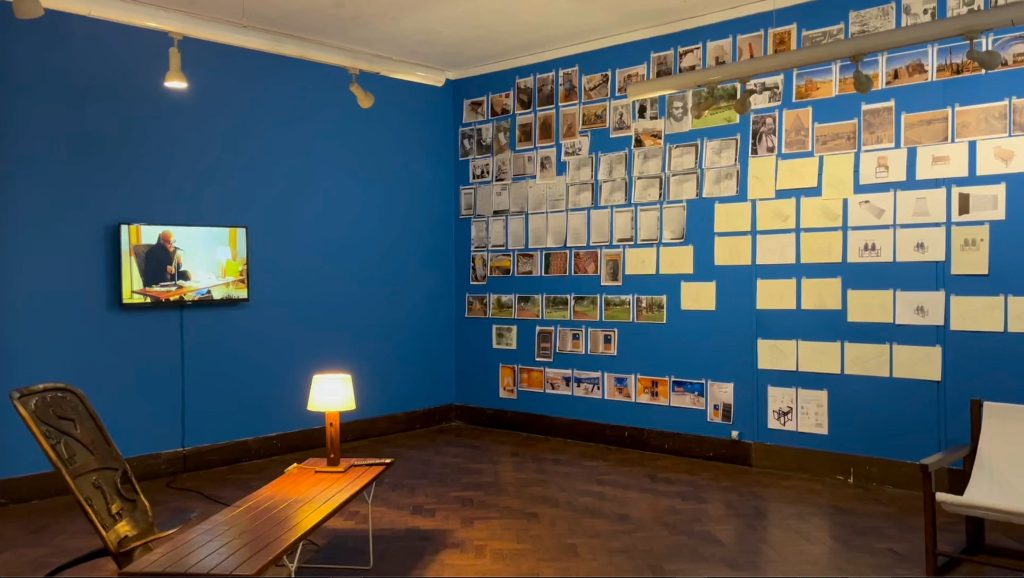
The exhibition takes its name from an outdoor agricultural learning laboratory established at Eduardo Mondlane University. This site served as a collaborative space where university staff, researchers, and students worked together to produce food, design tools, and train farmers and community technicians. Coordinated by TBARN (Técnicas Básicas de Aproveitamento de Recursos Naturais), a research group formed in the early years of the socialist government, the initiative aimed to enhance agricultural production and improve the quality of life for farmers using minimal resources.
Ferreira’s work draws on the visual and textual remnants of TBARN to illuminate the revolutionary spirit that positioned Mozambique as a global hub for radical experimentation during the 1970s and early 1980s. The exhibition not only highlights the historical significance of this period but also seeks to connect past practices with contemporary issues.
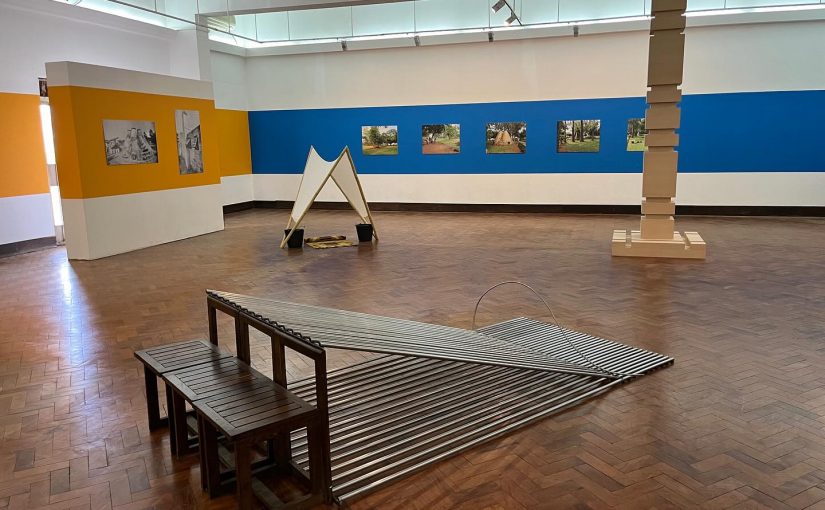
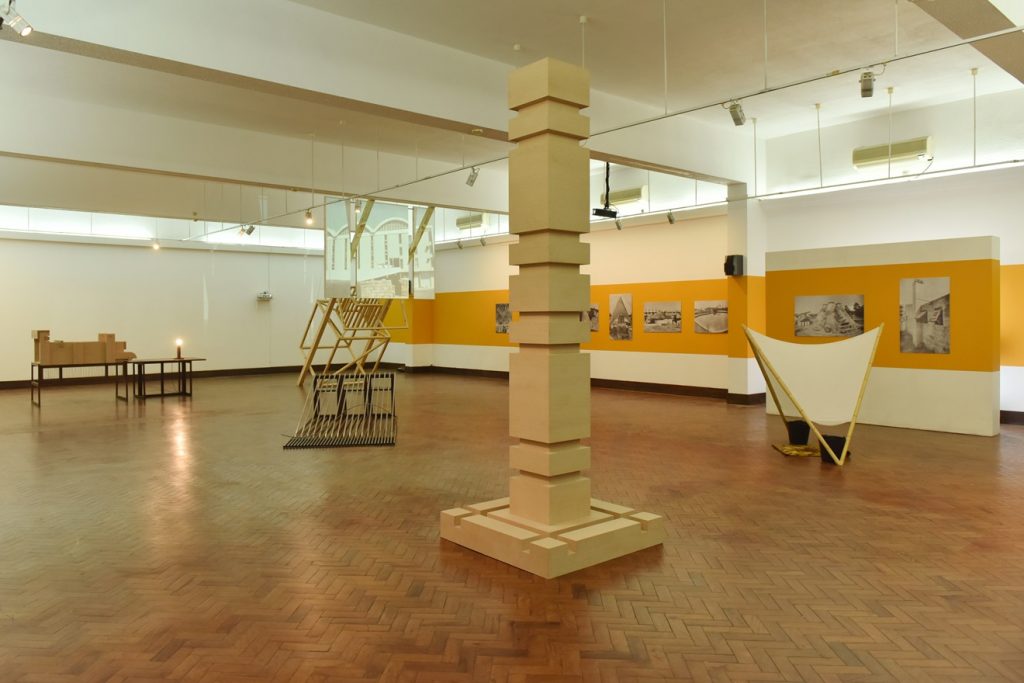
The exhibition is enriched by Ferreira’s ongoing dialogue with Alda Costa, a pioneering Mozambican art historian and cultural worker. Costa’s lived experiences during the socialist revolution and her subsequent scholarship provide a vital context for understanding this unique moment in cultural history. Historical objects from Costa’s personal collection are displayed alongside Ferreira’s contemporary works, emphasizing the material conditions that shaped cultural production in early independent Mozambique.
The design of these objects reflects the multifunctional use of simple materials, the angular shapes intended for practical use, and the vibrant colors inspired by university-produced information pamphlets from 1977. Ferreira’s artistic approach transforms some of these structures into aesthetic objects, merging artistic expression with practical functionality and reimagining aspects of rural life under a new model of collectivity.
Originally launched at the @rialto6_art contemporary art space in Lisbon, "Campo Experimental" has been expanded for its presentation at the National Museum of Arts in Maputo. The exhibition explores various work fronts and the collaborative efforts that characterized the early years of Mozambique’s independence.
Ferreira’s research-based practice seeks to uncover the contemporaneity of the past, allowing for a deeper understanding of how historical contexts inform current artistic and social practices. The exhibition serves as a tribute to the visionary work of TBARN and acknowledges the significant contributions of Alda Costa to the cultural narrative of Mozambique.
Ângela Ferreira, born in 1958 in Maputo, Mozambique, grew up in South Africa and earned her MFA from the Michaelis School of Fine Art at the University of Cape Town. Currently residing in Lisbon, she obtained her doctorate in 2016 and continues to teach at the Faculty of Fine Art, Lisbon University, as well as in Mozambique. Ferreira’s multidisciplinary practice addresses the ongoing impacts of colonialism and post-colonialism, focusing on the construction of a non-pamphleteering artistic decolonial discourse.
Her works often triangulate her personal history across South Africa, Mozambique, and Portugal, exploring themes of identity, memory, and cultural history. Ferreira has represented Portugal at the 52nd Venice Biennale in 2007 and has created significant works that engage with the complexities of African identity and the legacies of colonialism.
"Campo Experimental" stands as a powerful exploration of Mozambique’s revolutionary past and its implications for contemporary society. Through the collaboration between Ângela Ferreira and Alda Costa, the exhibition not only honors the historical contributions of TBARN but also invites viewers to reflect on the ongoing relevance of these practices in today’s world. By bridging the past and present, Ferreira’s work encourages a deeper understanding of the cultural and material legacies that continue to shape Mozambique and its artistic landscape.